


Fibre Guide · Lyocell
What Is Lyocell? Fabric, Benefits, Care and Drawbacks
If your sheets feel hot or clammy during the night, you may come across lyocell while looking for cooler bedding. Its smooth feel and moisture management appeal to hot sleepers, but care, shrinkage and durability still matter. This guide explains what lyocell is, how it is made, how it compares with TENCEL™, modal and viscose, and what to expect from everyday use.
Quick answer: Lyocell is a regenerated cellulose fibre made from wood or bamboo pulp. The cellulose is dissolved in NMMO and spun into fibres in a closed loop process that recovers up to 99% of the solvent. It is breathable, moisture absorbent and smooth, but it can wrinkle, snag and shrink when exposed to harsh washing or high heat. TENCEL™ is a brand of lyocell, not a different material.
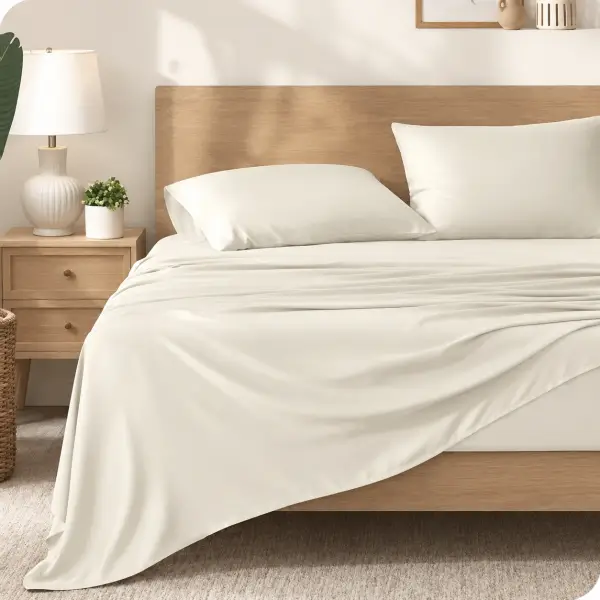
What Is Lyocell Fabric and What Is It Made Of?
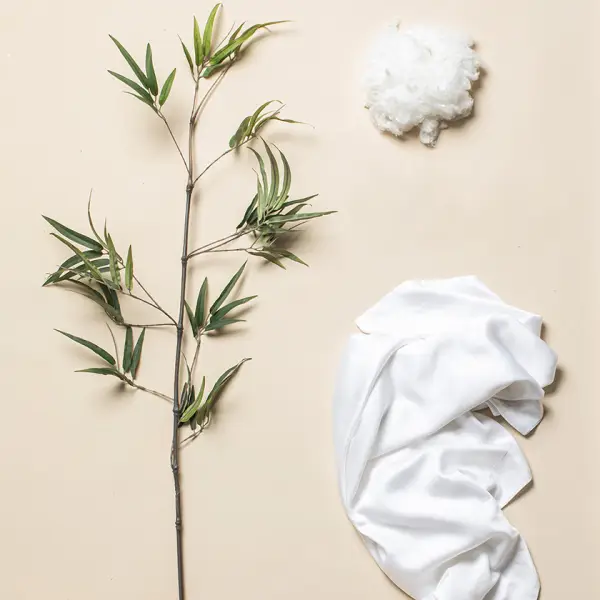
Lyocell is a regenerated cellulose fibre made from renewable materials such as wood and bamboo. Unlike conventional viscose production, lyocell uses a closed loop system that recovers and reuses up to 99% of the solvent. TENCEL™ is Lenzing’s brand name for its lyocell fibres, not a separate material.
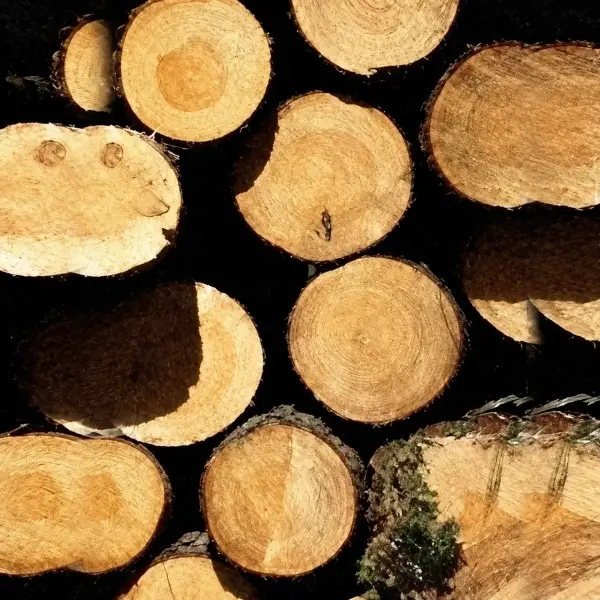
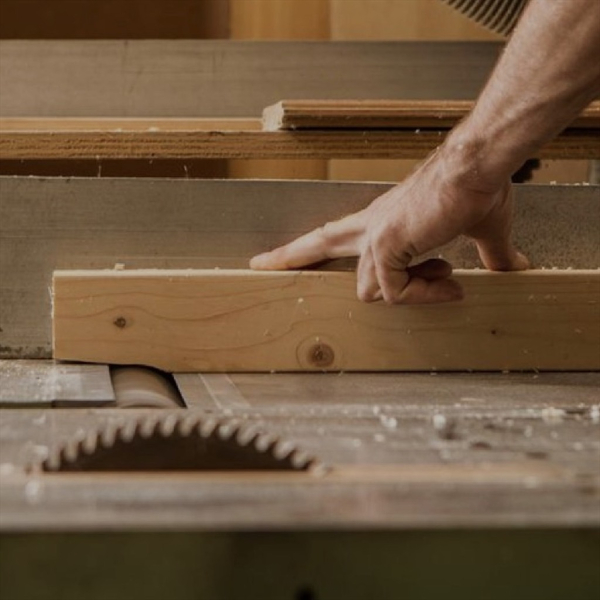
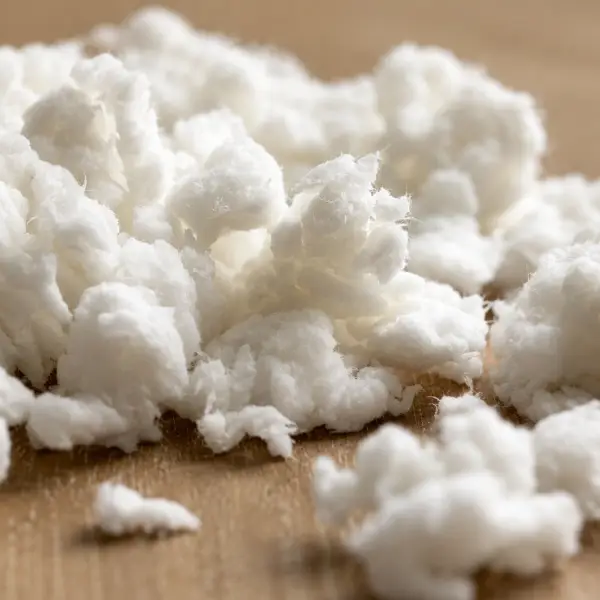
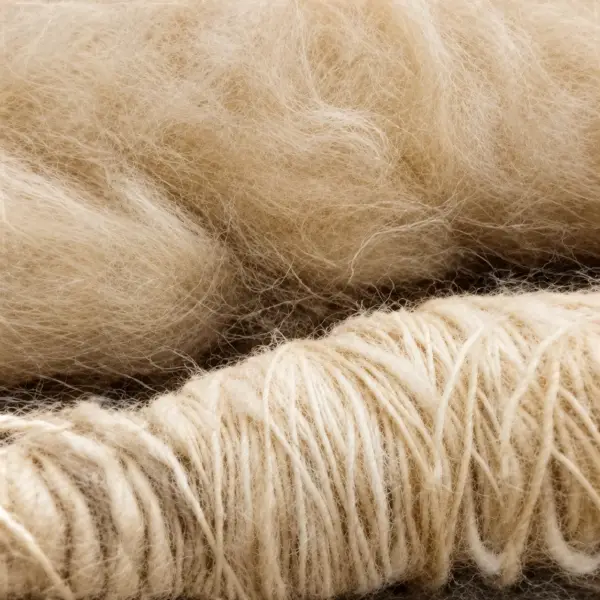
The raw material is cut into small chips and processed to remove lignin and other components, leaving purified cellulose known as dissolving pulp. This pulp is then dissolved in an organic solvent called NMMO and spun into fibres.
There is no chemical reaction in this process. It simply changes the physical form of natural cellulose, making lyocell a more environmentally responsible option. This reduces solvent use, wastewater and related emissions.
Is Lyocell a Natural Fibre?
Lyocell is neither a natural fibre like silk or linen nor a synthetic fibre like polyester. It comes from plant based cellulose, but it must be processed and regenerated to form new fibres. The textile industry therefore classifies lyocell as a regenerated cellulose fibre, which is a type of manufactured fibre. Viscose and modal belong to the same category.
Lyocell vs TENCEL™ vs Modal vs Viscose
| Aspect | Lyocell | TENCEL™ | Modal | Viscose |
|---|---|---|---|---|
| Name | LyocellGeneric fibre | TENCEL™Lenzing brand | ModalGeneric fibre | ViscoseGeneric fibre |
| Raw material | LyocellWood or bamboo pulp | TENCEL™Certified wood pulp | ModalMainly wood pulp | ViscoseWood pulp |
| Process | LyocellClosed loop solvent process | TENCEL™Controlled closed loop process | ModalModified viscose process | ViscoseTraditional viscose process |
| Solvent | LyocellNMMOLower toxicity | TENCEL™NMMOLower toxicity | ModalCS₂High toxicity | ViscoseCS₂High toxicity |
| Solvent recovery | LyocellOver 99% | TENCEL™Over 99% | ModalPartial | ViscoseLimited |
| Spinning | LyocellDry jet wet spinningStronger, more uniform fibres | TENCEL™Dry jet wet spinning | ModalModified wet spinning | ViscoseWet spinning |
| Production loop | LyocellClosed | TENCEL™Closed | ModalPartially closed | ViscoseTraditionally open |
| Emissions and waste | LyocellLow | TENCEL™LowLenzing certified | ModalLower than viscose | ViscoseHigher |
Lyocell, modal and viscose represent three generations of the same fibre family. TENCEL™ Lyocell is Lenzing’s branded lyocell.
- Viscose is the first generation in the 1890s and uses a traditional process.
- Modal is the second generation in the 1950s with greater wet strength.
- Lyocell is the third generation in the 1990s. It’s stronger and produced through a more sustainable process.
For a comparison of how these three fibres perform in bedding, see Sensoire lyocell sheets.
Bamboo Lyocell vs Eucalyptus Lyocell
Bamboo lyocell follows the same closed loop solvent spinning process used to make eucalyptus lyocell. The difference lies in the cellulose source.
Raw Material Cultivation
Bamboo grows quickly and can regenerate from its roots after harvesting. Eucalyptus also grows rapidly, but it usually has a longer harvesting cycle.
Pulp Processing
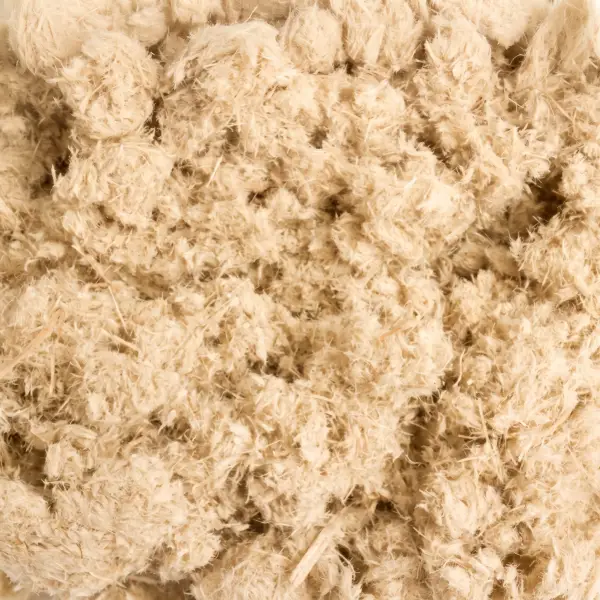
Bamboo requires additional processing during pulp production. Eucalyptus pulping is more established with consistent yields.
To learn about how bamboo lyocell compares with cotton, see our guide to bamboo vs cotton sheets.
Is Lyocell Breathable and Cool?
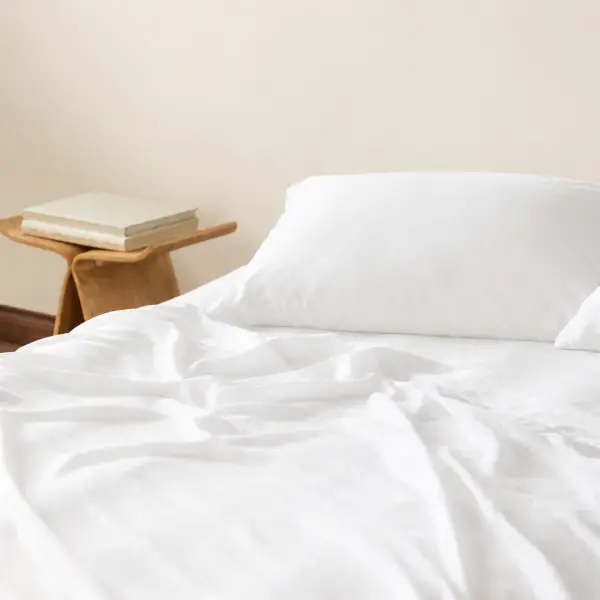
Lyocell is breathable and absorbs moisture well. It moves moisture away from the skin, helping the fabric feel cooler and less clammy during sleep. According to the study, bamboo lyocell records air permeability of 695 mm/s and moisture regain of 13%, compared with 650 mm/s and 11% for TENCEL™ Lyocell. Both are well suited to hot sleepers, humid bedrooms and people who sweat during the night.
| Fibre | Thermal Conductivity (W/m·K) | Air Permeability (mm/s) | Water Vapor Resistance (m²·Pa/W) | Moisture Regain (%) | Surface Friction Coefficient | Key Trade-offs |
|---|---|---|---|---|---|---|
| Bamboo lyocell | Thermal Conductivity (W/m·K)0.049 | Air Permeability (mm/s)695 (dry) | Water Vapor Resistance (m²·Pa/W)2.5 | Moisture Regain (%)13.0 | Surface Friction Coefficient~0.25 | Key Trade-offsHigher breathability and moisture absorption;prone to snagging |
| TENCEL™ lyocell | Thermal Conductivity (W/m·K)0.045 | Air Permeability (mm/s)650 | Water Vapor Resistance (m²·Pa/W)2.3 | Moisture Regain (%)11.0 | Surface Friction Coefficient0.2 to 0.3 | Key Trade-offsExcellent insulation and moisture management;higher cost than organic cotton. |
| Organic Cotton | Thermal Conductivity (W/m·K)0.031 | Air Permeability (mm/s)695 (dry) | Water Vapor Resistance (m²·Pa/W)2.8 | Moisture Regain (%)8.5 | Surface Friction Coefficient~0.3 | Key Trade-offsEco-friendly;moderate durability. |
| Hemp | Thermal Conductivity (W/m·K)0.022 | Air Permeability (mm/s)620 | Water Vapor Resistance (m²·Pa/W)2.9 | Moisture Regain (%)12.0 | Surface Friction Coefficient~0.45 | Key Trade-offsSuperior insulation;coarse natural texture |
- Thermal conductivity: Higher means cooler feel.
- Air permeability: Higher means better airflow.
- Water vapour resistance: Lower means easier moisture transfer.
- Moisture regain: Higher means greater moisture absorption and less wetness.
- Surface friction: Lower means a smoother feel.
Does Lyocell Shrink When Washed?
Lyocell fabric shrinks slightly after washing. But it shrinks less than cotton. Without preshrinking, the first wash may cause shrinkage of around 8%, depending on the fabric structure, weight and finishing process.
Most lyocell fabrics are preshrunk to improve dimensional stability. Overfeeding allows extra fabric to enter during production, leaving room for later shrinkage. Mechanical preshrinking contracts the fabric before it is made into a finished product. With proper treatment, the first wash shrinkage of 100% lyocell fabric is usually around 1%.
How to Wash Lyocell Sheets
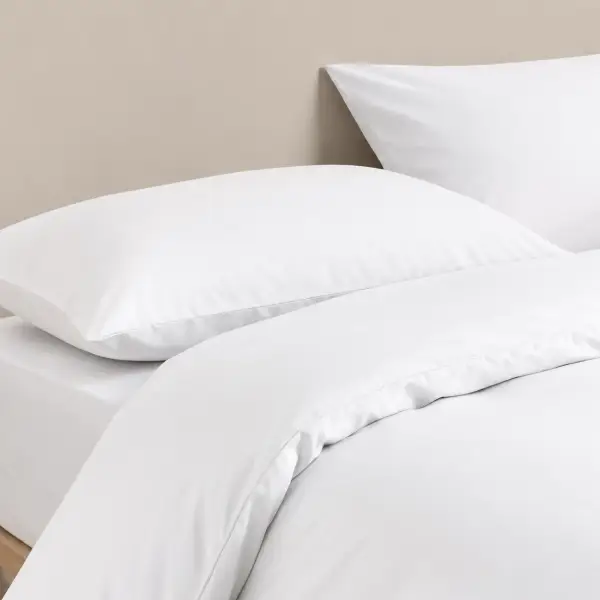
- Wash in cold or lukewarm water.
- Select the gentle cycle on your washing machine.
- Use mild, pH neutral detergent and avoid bleach.
- Do not wring or twist the fabric firmly after washing.
- Air dry in shade and avoid high heat tumble drying.
- Use low temperature ironing only when necessary.
For more details on caring for bamboo lyocell, see our guide on how to wash bamboo sheets.
What Are the Disadvantages of Lyocell?
Does Lyocell Wrinkle Easily?
Lyocell or bamboo lyocell wrinkles easily, especially when folded or stored for long periods.
How Resistant Is Lyocell to Abrasion?
Frequent rubbing can cause wear and pilling. Keep it away from rough surfaces and items that may catch on the fabric.
Is Lyocell Sensitive to Heat?
High temperatures can damage or distort lyocell. Avoid hot ironing, high heat drying and prolonged exposure to direct sunlight.
Sensoire bamboo lyocell is a good choice for people looking for comfort, breathability and a premium feel. However, it may not suit those who prefer low maintenance bedding or need fabric that can withstand heavy friction. Wash it gently and avoid high heat and rough surfaces to help it last longer.
FAQs About Lyocell
What is lyocell made of?
Lyocell is made from plant based cellulose, usually sourced from wood or bamboo. The raw material is processed into dissolving pulp, dissolved in NMMO and spun into new fibres.
Is lyocell the same as TENCEL™?
Lyocell is the generic fibre name. TENCEL™ is Lenzing’s brand name for its lyocell fibres, so it is a branded form of lyocell rather than a separate material.
Is lyocell a natural fibre?
Lyocell comes from plant cellulose, but it is dissolved and regenerated into new fibres. The textile industry therefore classifies it as a regenerated cellulose fibre and a type of manufactured fibre.
Does lyocell shrink when washed?
Lyocell can shrink during washing, especially when it has not been preshrunk or is exposed to high heat. The amount depends on the fabric structure, weight, finishing process and care method.
Is lyocell breathable and cool for hot sleepers?
Yes. Lyocell allows airflow and absorbs moisture well. It moves moisture away from the skin, which can help bedding feel cooler and less clammy for hot sleepers and in humid rooms.
From the Collection
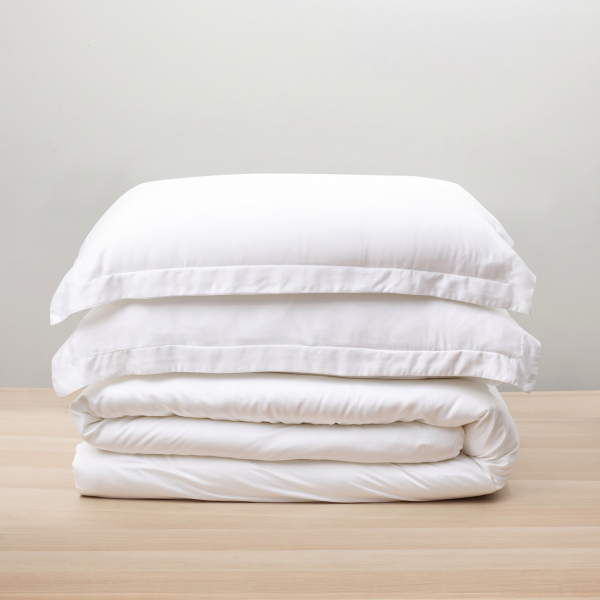
100% Bamboo Lyocell · Sateen
Bamboo Lyocell Duvet Cover Set
One duvet cover and two pillowcases, with corner ties and a hidden zip to keep the duvet in place.
135 × 200 to 260 × 240 cm · Eight colours · OEKO-TEX
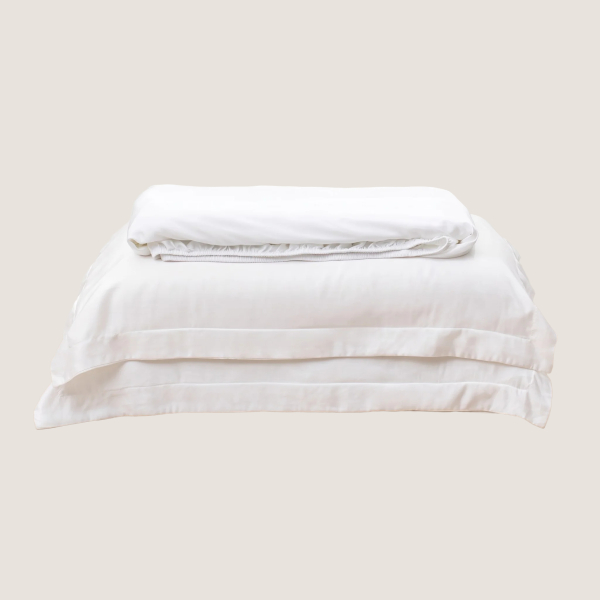
100% Bamboo Lyocell · Sateen
Bamboo Lyocell Fitted Sheet Set
One fitted sheet and two pillowcases, elasticated all round for mattresses up to 40 cm deep.
140 to 200 × 200 cm · Seven colours · OEKO-TEX
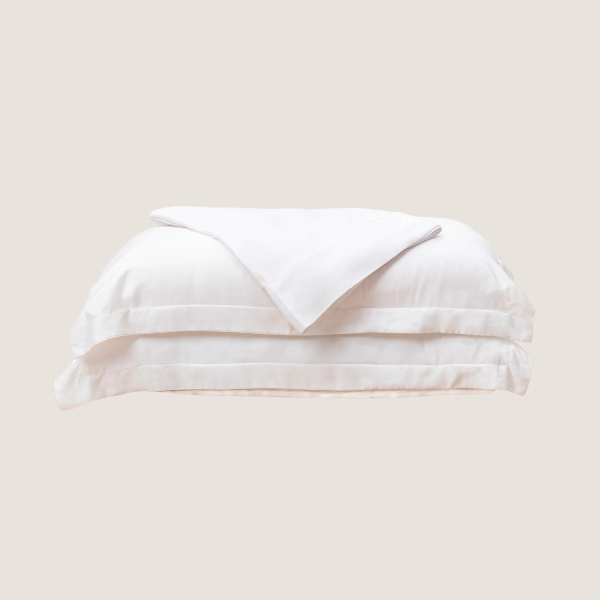
100% Bamboo Lyocell · Sateen
One flat sheet and two pillowcases, cut generously to tuck in or to drape.
180 × 290 to 270 × 300 cm · Seven colours · OEKO-TEX
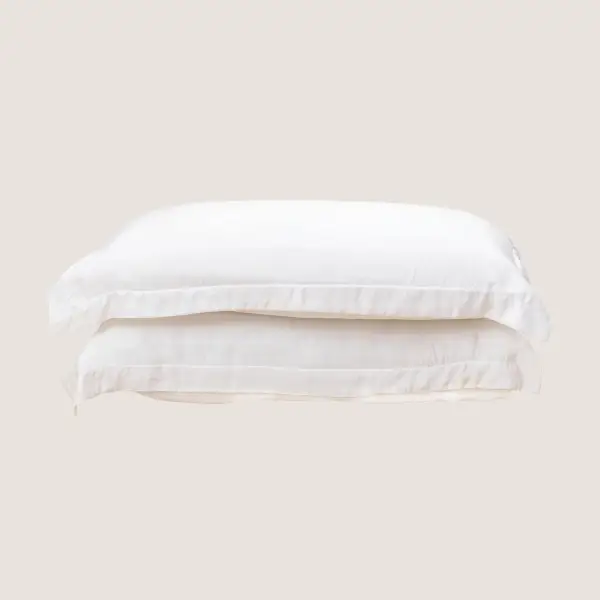
Set of Two · Sateen
Two matching pillowcases in the same smooth bamboo lyocell sateen.
Nine sizes, 40 × 40 to 80 × 80 cm · Eight colours · OEKO-TEX