


Material Guide · Bamboo
Bamboo Lyocell vs Bamboo Viscose: Which Is Better for Bedding?
Want soft, cool bedding but feel confused by bamboo viscose and bamboo lyocell? The names sound similar, but they perform differently. Product names often use “bamboo” without clearly explaining what the material is. Before choosing bamboo bedding, follow this guide to help you choose the best one. We’ll explain what bamboo viscose and lyocell mean and how they differ.
Quick answer:
Bamboo lyocell and bamboo viscose are made from bamboo pulp, and both feel soft, breathable, and absorbent.The main difference is how they are made.
Bamboo lyocell uses a newer process that recovers and reuses about 99% of the solution. It stays strong when wet and holds its shape well. Bamboo viscose uses a traditional chemical process. It is usually more affordable, but it becomes weaker when wet and may stretch, shrink, or lose its shape.
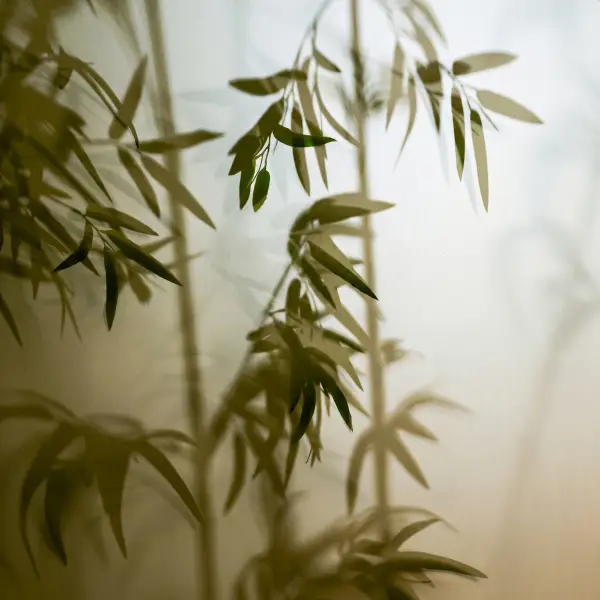
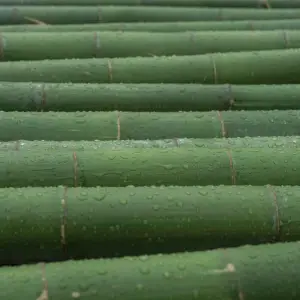 01Bamboo
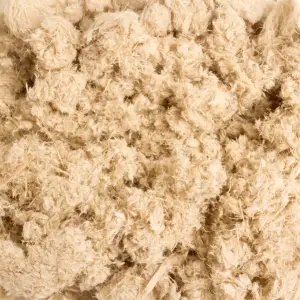 02Bamboo pulp
 03Liquid pulp
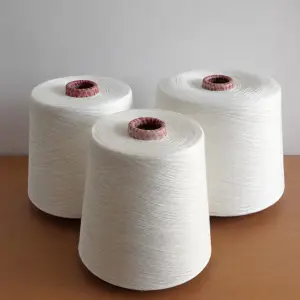 04Spinning
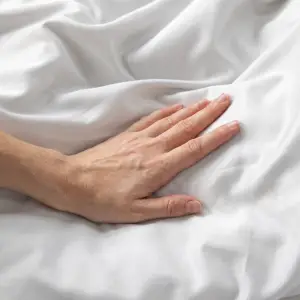 05Final Process
No chemical reaction takes place during this process. Most of the solvent can be recovered and reused in a closed loop system. The finished fiber can also biodegrade naturally.
Bamboo lyocell fibers have a smooth and even surface. Their cross section is close to round. Unlike regular viscose fibers, they don’t have the deep grooves. This smooth structure gives the fabric a soft feel, a natural sheen, good strength, and helps it keep its shape.
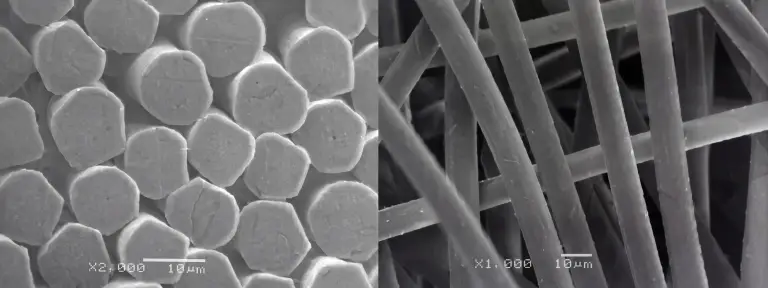
Only a small amount of bamboo pulp is suitable for lyocell. So bamboo lyocell fabric is less common.
02What Is Bamboo Viscose Fabric?
Bamboo viscose is also a regenerated cellulose fiber. But the process uses several chemical steps and more energy. Natural cellulose is treated with an alkaline solution and carbon disulfide. If the waste is not managed properly, the process could bring some impacts on the environment.
Bamboo pulp fiber is mainly used in clothing and bedding. Common products include bamboo cooling mats, summer quilts, blankets, and other home textiles. Many products sold as “bamboo fiber” are actually made from bamboo viscose. Some are blends of bamboo pulp fiber and cotton or other materials.
Bamboo viscose fabric is soft, smooth, and light. But it’s less strong than bamboo lyocell, especially getting wet. The fibers swell when they absorb water. Their strength could drop by about half. They won’t spring back well after stretching and lose its shape. There are also some information about bamboo viscose fiber being harmful to sensitive skin.
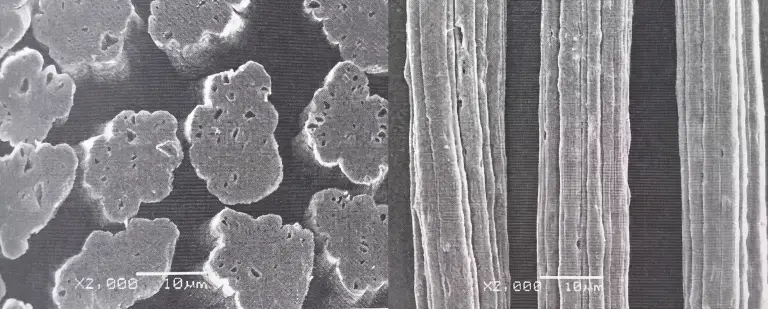
03Bamboo Lyocell vs Bamboo Viscose: Key Differences
Bamboo lyocell vs bamboo viscose comes down to the process, not the raw material. Both start as bamboo pulp, but lyocell is spun in a closed loop that recovers the NMMO solvent, while viscose needs several chemical steps and more energy. In use, lyocell keeps more of its strength when wet and holds its shape through repeated washing.
| Feature | Bamboo Lyocell Sensoire | Bamboo Viscose |
|---|---|---|
| Material | Pure bamboo lyocell.No viscose or blends. | Regenerated cellulose fiber made from bamboo. |
| Process | Uses a closed loop process.Most solvent is reused. | Uses a traditional chemical process. |
| Environmental impact | 98% Less water used100% biodegradable by nature70% less chemical fertiliser95% lower carbon emissions | Needs careful pollution control during production. |
| Feel | Smooth, light, breathable, and naturally shiny. | Soft, smooth, light.Easy to dye. |
| Strength | Stronger when dry and wet. Keeps its shape well. | Weaker when wet.Easy to stretch, shrink and lose shape. |
| Care | Gentle wash. Low temperature.Mild detergent. | Gentle wash.Mild detergent. |
| Price level | Higher production cost. | Usually more affordable. |
More proved data comparison click here.
04Why Bamboo Lyocell Works Well for Bedding
Bamboo lyocell works well for bedding because it stays strong when wet, so sheets, duvet covers and pillowcases survive frequent washing without thinning or losing their shape, while the smooth fiber surface keeps the cool, soft first touch that people expect from bamboo bedding.
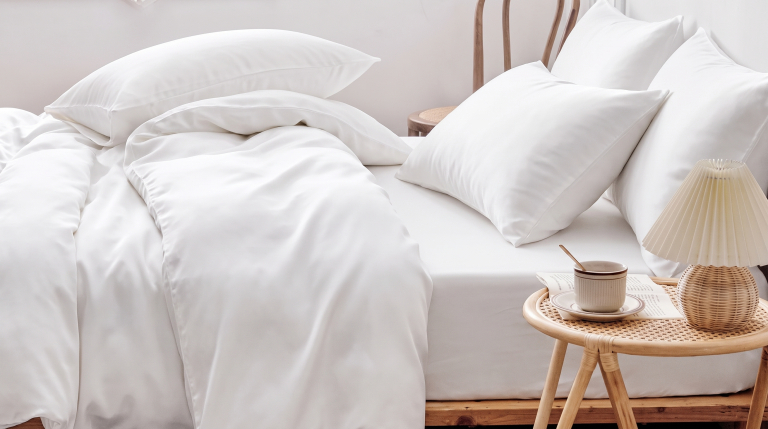
For bedding, softness matters at first touch. Sheets, duvet covers, and pillowcases need regular washing and long term use. Breathability and longevity are also important for daily use.
How Does Bamboo Lyocell Bedding Feel?
Bamboo lyocell fibers have a smooth surface with a natural shine. Sensoire bamboo lyocell bedding uses 350 thread count sateen. Its smooth surface can reduce friction between the bedding, skin, and hair. A good choice for people who want a soft and gentle feel.
Is Bamboo Lyocell Bedding Breathable in Summer?
Bamboo lyocell absorbs moisture well and allows air to flow. It offers the breathability and pleasantly cool many people want in summer bedding.
But bamboo lyocell won’t actively cool the body like an air conditioner. It helps move heat and moisture away from the skin. This can make your bed feel less warm and stuffy. For people who sleep hot or sweat at night bamboo lyocell bedding is a good choice.
Bamboo Lyocell Strength and Shape Retention
| Fibre property | Bamboo Lyocell Sensoire | Bamboo Viscose |
|---|---|---|
| Dry strengthBreaking tenacity · cN/dtex | 3.3 to 3.8 | 2.2 |
| Wet strengthTenacity while damp · cN/dtex | 2.8 to 3.2 | 1.1 |
| Wet modulusShape stability when damp | ≥14 | N/A |
Lyocell has good strength and shape retention. Regular viscose fibers swell after absorbing moisture. Their strength drops a lot. Bedding needs regular washing. Better strength and shape retention can help the fabric keep its original shape after washing.
Bamboo lyocell and cotton, compared fibre by fibre: Bamboo Lyocell vs Cotton: Are Bamboo Sheets Cooling?
05How to Choose Bamboo Lyocell Bedding
Check whether the label clearly says “lyocell fiber” or “Lyocell”. This is the simplest way to identify the material.
Be careful with vague terms such as “bamboo fiber” or “ice silk” if the label doesn’t list the actual content. Ice silk is not an official fiber name. It may refer to modal, lyocell, or other fabrics.
For example, Sensoire clearly state that its bedding is made from pure bamboo lyocell. It contains no bamboo viscose or blended fibers. We also share the weave, thread count, care instructions, and OEKO TEX certificate number.
When shopping, look beyond marketing names. Check:
- The fiber name on the product label
- The amount of each fiber used
- Whether the fabric is pure or blended
- The weave and thread count
- Washing and care instructions
- Certificate numbers that can be checked publicly
06Care Tips for Bamboo Lyocell Bedding
Check the care label on each item first. The highest recommended water temperature may vary by product.
For everyday care:
- Use a gentle cycle and cool water.
- Use a mild detergent.
- Wash with similar colors and fabrics.
- Do not use bleach.
- Do not use fabric softener.
- Air dry when possible.
- If you use a dryer, choose low heat and a short cycle.
- Iron on low heat if needed.
- Avoid dryer balls and rough fabrics.
- Turn the bedding inside out before washing to reduce friction and pilling.
- After the first wash, the color and shine may soften slightly. This is normal.
Proper care helps protect the fibers from heat and friction. It also helps the fabric stay soft and smooth. For more care guidance, read our Bamboo Lyocell Care Guide.
07Frequently Asked Questions
What is the difference between bamboo lyocell and bamboo viscose?
Both are made from bamboo pulp. They use different production processes and differ in wet strength and shape retention.
Which is stronger when wet, bamboo lyocell or bamboo viscose?
Bamboo lyocell is stronger when wet. Bamboo viscose loses more strength after absorbing water.
Is bamboo lyocell bedding good for hot sleepers?
It absorbs moisture and allows air to flow, which may help the bed feel less warm and stuffy. It doesn’t actively cool the body.
How do I choose bamboo lyocell bedding?
Check the fiber label for “Lyocell” and read the full fiber content. Do not rely on the term of bamboo fiber alone.
How should I wash bamboo lyocell bedding?
Follow the product’s care label. Use a gentle cycle, cool water, and a mild detergent.
08Explore Sensoire Bamboo Lyocell Bedding
Sensoire bamboo lyocell bedding uses pure bamboo lyocell and 350 thread count sateen. It contains no bamboo viscose or blended fibers. It is certified to OEKO TEX STANDARD 100, Product Class I.
Available options:
- Bamboo Lyocell Duvet Cover Set: One duvet cover and two pillowcases. The duvet cover has four inside corner ties and a hidden zipper.
- Bamboo Lyocell Fitted Sheet Set: One fitted sheet and two pillowcases. The fitted sheet has elastic all around and fits mattresses up to 40 cm deep.
- Bamboo Lyocell Flat Sheet Set: One oversized flat sheet and two pillowcases.
- Bamboo Lyocell Pillowcases: Two pillowcases per set.
What matters is not only whether bedding comes from bamboo. It also matters how the bamboo pulp becomes fiber, and how the fabric feels and performs over time.
Explore Sensoire Pure Bamboo Lyocell Bedding.
From the Collection
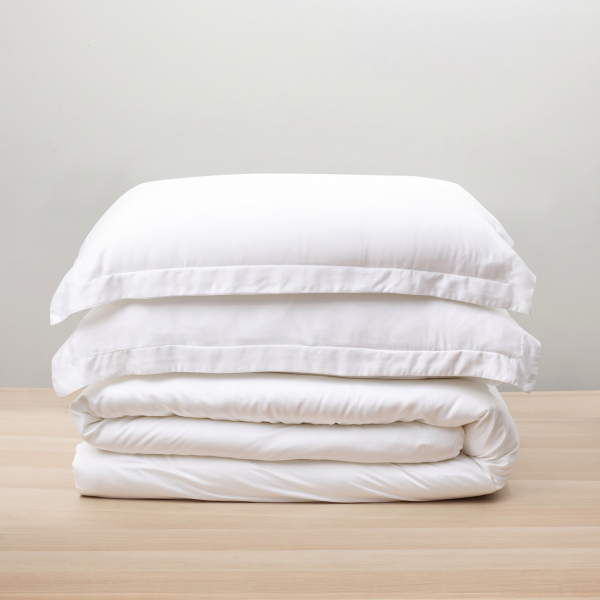
Duvet cover · 2 pillowcases
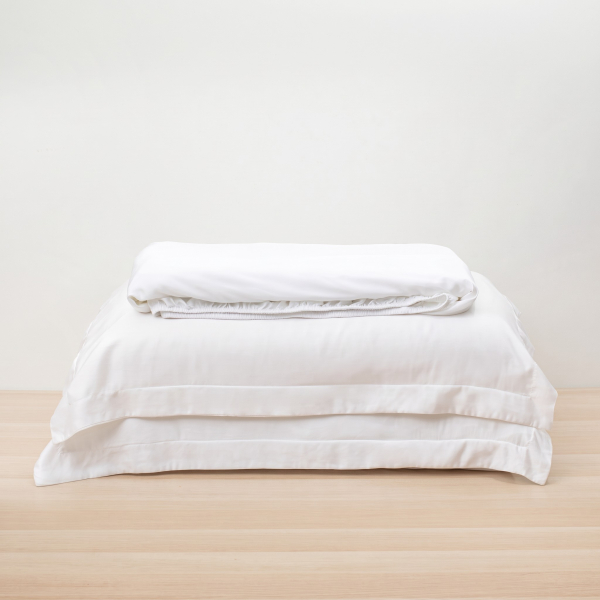
Fitted sheet · 2 pillowcases
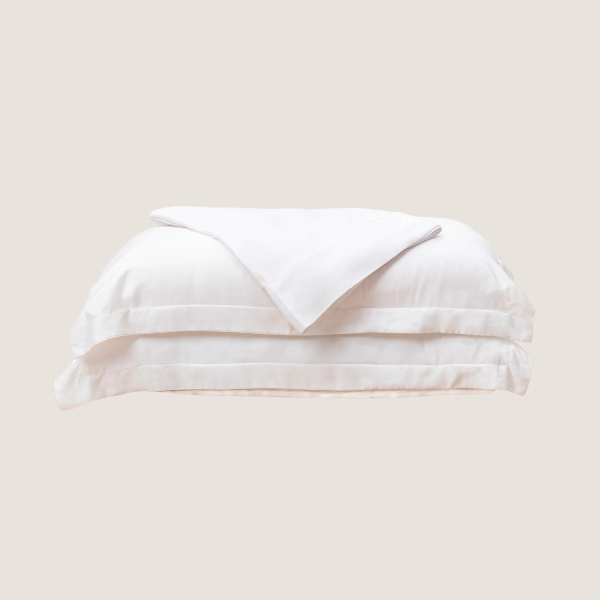
Flat sheet · 2 pillowcases
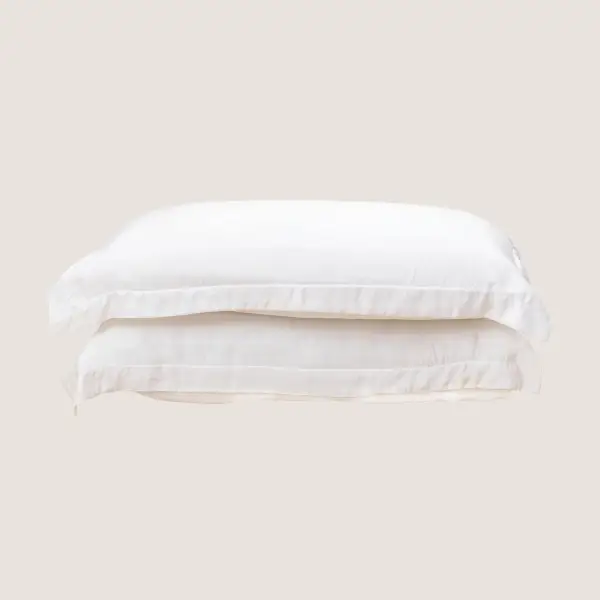
Set of 2 · 350 thread count
See the range in lyocell only: bamboo lyocell bedding from Sensoire, duvet covers, sheets and pillowcases.
Further reading