Silk Bedding sets
Pure mulberry silk bedding sets in a quiet palette, designed to make every night feel softer, calmer.
Showing all 5 results
L’Heure de Soie by Sensoire
A whole bed, dressed in silk
Created by Sensoire, L’Heure de Soie is a mulberry silk bedding set that surrounds you in temperature-regulating, skin-friendly silk, cool in summer, gently warming in winter, kind to sensitive skin. Made from 100% Grade 6A mulberry silk at a true, honestly stated momme, so your duvet cover, sheets and pillowcase all work for your skin, your hair and your sleep.
Silk · Sleep · Ritual
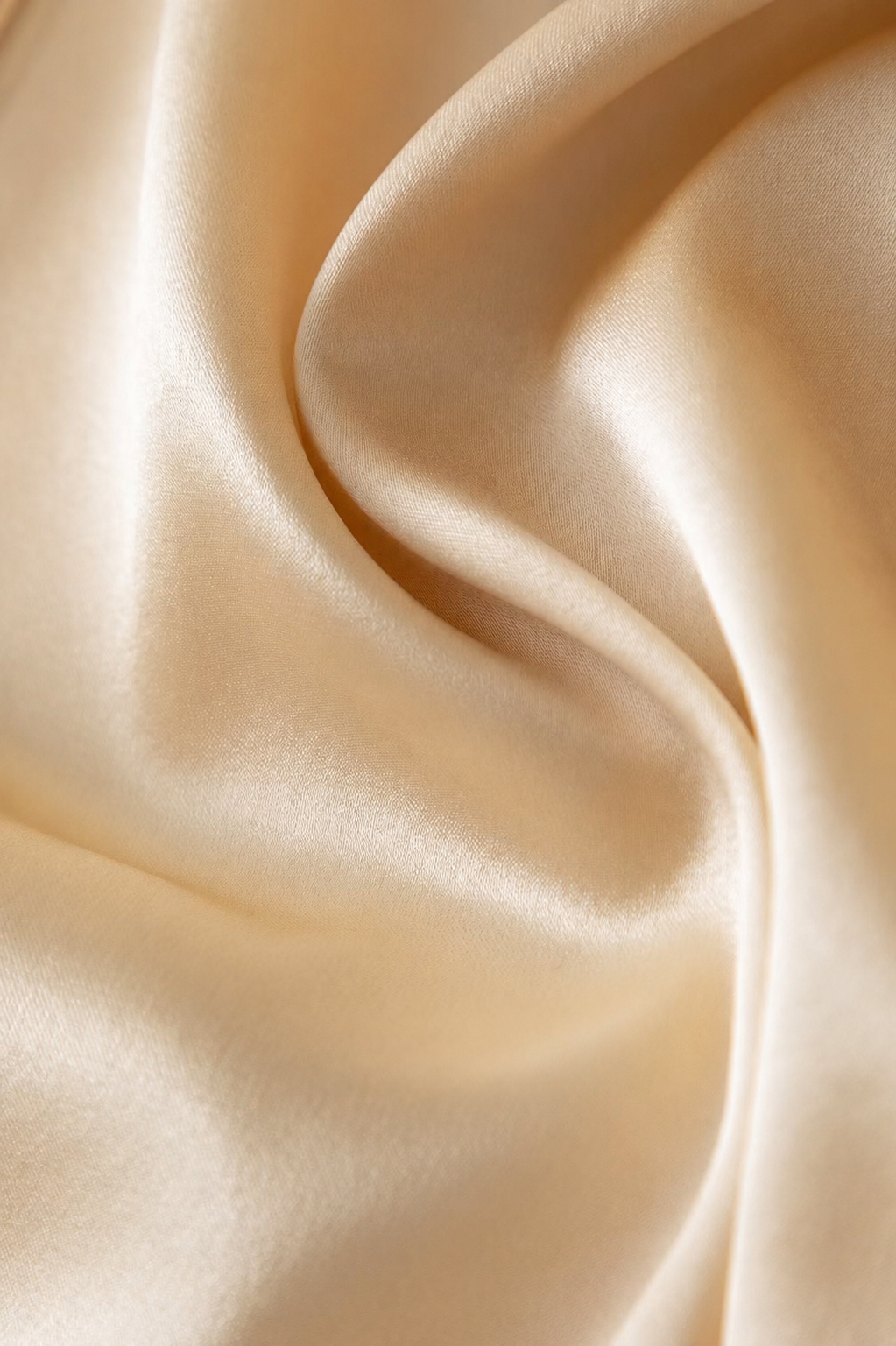
-
I
100% pure mulberry silk, honest momme
Every set is 100% Grade 6A mulberry silk at a true, stated momme weight, whether 19 or 22 momme, never a hidden blend or an inflated momme count.
-
II
Cool in summer, warm in winter
Naturally thermoregulating and moisture-wicking, so hot sleepers and anyone with night sweats stay comfortable year-round.
-
III
Kinder to skin and hair, across the whole bed
Silk's low-friction surface helps reduce sleep creases, frizz and breakage wherever you touch it, and stays gentle on sensitive skin.
-
IV
Antibacterial, naturally resists dust mites
Silk's smooth, tightly woven protein fibre naturally resists dust mites and discourages bacteria, helping keep the surface against your skin cleaner night after night, a gentle support for sensitive and allergy-prone sleepers.
-
V
Certified safe
OEKO-TEX Standard 100 certified, independently tested free from harmful substances, right next to your skin all night.
From the Journal
Warm in winter, cool in summer
Two short reads on how silk handles heat, moisture and air through the night.
01 For hot sleepers
Are Mulberry Silk Duvets Good for Hot Sleepers?
Under the covers, heat is rarely the whole story. Trapped moisture is what makes a bed feel close. How a silk-filled duvet handles both, with fibre data and a short checklist for choosing yours.
Read the article
02 Through the seasons
Why silk bedding regulates temperature
A porous fibre holds still air, so your warmth leaves slowly. The same fibre takes in about 11% of its weight in moisture and lets it go again. One structure, working both ways.
Read the articleGuidance
Frequently Asked Questions
Silk Bedding Sets
Can I buy the pieces separately, or do I need the whole set?
You choose piece by piece. The duvet cover, fitted sheet and flat sheet are each chosen on their own, in 19 or 22 momme, and silk pillowcases come from our pillowcase collection in the size and closure that suit your pillows. Colours and weights can be mixed freely. If you are new to silk, one silk layer is a gentle place to start: a pillowcase and a duvet cover put silk where you touch it most, and the sheets can follow later.
See the collection: Silk pillowcases
Should I choose 19 or 22 momme for silk bedding?
Momme is the weight of the silk fabric. One momme is about 4.34 grams per square metre, so 22 momme holds about 16% more silk than 19. Both are Grade 6A mulberry silk with the same smooth face. 19 momme is lighter and more fluid, which many people prefer for warm rooms and summer, and it is the gentler price. 22 momme is denser, less translucent and drapes with more weight, and it stands up better to nightly friction, which makes it the stronger choice for a fitted sheet.
Read our guide: How to choose a momme weight
How can I tell real silk sheets from polyester satin?
Start with the label. Real silk sheets say 100% silk or 100% mulberry silk, written as a percentage, with the momme weight beside it. Satin is a weave, not a fibre, so sheets sold as satin, silky or satin silk are very often polyester woven to look the part. Look next for the grade of the silk and an independent certificate: every Sensoire piece is 100% Grade 6A mulberry silk in 19 or 22 momme, certified to OEKO-TEX Standard 100. Polyester satin usually looks glassier, feels slicker and holds warmth and damp against the skin.
Read our guide: How to tell if silk is real
Will silk sheets pill?
Pilling on silk comes from friction and heat rather than from the fibre itself. The usual causes are rough heels and toenails, pet claws, synthetic sleepwear rubbing all night and, above all, a tumble dryer. Long-filament Grade 6A silk has few loose fibre ends to lift, and 22 momme is denser and wears better under daily use. To keep the surface smooth, never tumble dry, wash with a silk detergent, sleep in natural fibres and keep pets off the bed. How long silk bedding lasts depends on its weight, its seams and the way it is washed, far more than on a number of years.
Why does silk bedding cost more than cotton?
Mulberry silk is reeled from cocoons as long continuous filaments, and bedding uses a great deal of it: a 22 momme fabric carries around 95 grams of silk in every square metre, so a king-size sheet holds several hundred grams. Weaving it evenly and sewing it without puckering is slower work than cotton. You do not need to buy everything at once. Many people begin with a silk pillowcase and a duvet cover, choose 19 momme for a lighter price, and add the sheets once they know they love the feel.
Read our guide: What is mulberry silk
Which sizes do I need, and what if a piece arrives with a fault?
Match the duvet cover to your duvet, the fitted sheet to your mattress and the flat sheet to the width you want to tuck in. Duvet covers come in seven sizes from 135 x 200 to 260 x 240 cm. Fitted sheets come in 140, 150, 160, 180 and 200 x 200 cm with a 40 cm deep pocket, so measure your mattress depth and include any topper. Flat sheets come in 180 x 290, 240 x 300 and 270 x 300 cm. Every piece is checked before it leaves us, and any fault in the making is covered by our 14-day returns.
Read our guide: Silk bedding set buying guide
Are silk sheets slippery, and will my duvet slide off?
Silk is smooth, but it is a soft smoothness: it feels supple against the skin rather than slick, so you will not slide around the bed and the duvet stays where you leave it. Most stories of sliding out of bed come from polyester satin, which is often sold as silk and feels far slicker. Our fitted sheet holds the mattress with a full elastic band and a 40 cm deep pocket, so it stays in place through the night.
Read our guide: Silk vs linen vs bamboo lyocell
Is silk bedding good for hot sleepers and night sweats?
Silk is breathable, and it takes up moisture and lets it go again, so it feels drier and less clammy against the skin than polyester or heavy cotton. It is a fabric, though, not a cooling system: it cannot stop sweating or cool a mattress or duvet that holds heat, and those matter just as much. If you run very warm, or through menopause, choose 19 momme and keep silk to one layer, often the duvet cover or the flat sheet, over a lighter duvet. If you sweat heavily, wash your silk more often, because dried sweat left in the weave makes it feel less breathable.
Read our guide: Why silk bedding regulates temperature
Will silk sheets feel cold in winter?
Silk feels cool at first touch, then warms to your skin within moments. It is not the warm layer of your bed, though: in winter the warmth comes from your duvet, and silk keeps that warmth from turning stuffy. If you tend to feel cold, choose 22 momme, which is denser and has more weight, and pair it with a warmer duvet. Many people keep their silk sheets on the bed all year and simply change the duvet with the seasons.
Are silk sheets a good idea with pets or rough heels?
Silk is a fine, smooth fibre, and anything sharp can catch it. Claws on the bed snag and wear it quickly, so silk is happiest in a bedroom the pets do not share. Rough heels and toenails rub the fitted sheet most, which is where early wear shows. Keep feet smooth and nails filed, or begin with a silk pillowcase and duvet cover, which your feet barely touch, and choose an easy-care fitted sheet in bamboo lyocell or linen.
See the collection: Bamboo lyocell bedding
Does silk help with eczema-prone skin?
Yes. Pure mulberry silk is widely favored by dermatologists for sensitive, eczema-prone skin. Unlike abrasive synthetic fibers or coarse cotton that can cause micro-friction and trigger inflammation, our 100% pure silk possesses long, fluid-smooth proteins that glide effortlessly across the skin barrier.
How does silk protect hair compared to premium cotton?
Silk features a significantly smoother, non-absorbent surface than traditional cotton fabrics. By dramatically reducing friction while you turn, it prevents morning tangles, frizz, and moisture depletion, keeping hair sleek and manageable.
How do I wash silk sheets, and can I use a washing machine?
We recommend washing by hand in cool water below 30°C with a little silk detergent: swish gently, rinse well and press the water out into a towel rather than wringing. Machine washing is fine too. Put each piece in a large mesh laundry bag, wash it on its own or with other silk, and choose a silk or delicate cycle in cold water with a low spin. Wash new pieces once before the first night to refresh the fabric.
Read our guide: How to wash silk pillowcases and bedding
How should I dry silk bedding, and what about creases?
Never tumble dry: heat and tumbling are the quickest way to dull and pill silk. Drape large pieces over two lines or a wide airer in the shade, away from radiators and direct sun, so the weight is spread and nothing stretches. Silk dries within a few hours. Smooth it with your hands while it is still slightly damp, and most creases fall out once it is on the bed. For a crisper finish, iron on the reverse side at the lowest silk setting. You can also have it professionally dry cleaned instead.
Which detergent is safe for silk bedding?
A mild, pH-neutral liquid detergent labelled as suitable for silk. Silk is a protein fibre, and biological detergents contain enzymes made to break down protein, so over repeated washes they dull and roughen it. Keep chlorine and oxygen bleach, optical brighteners, fabric softener, washing powder, dish soap and ordinary stain removers away from silk. Dissolve the detergent in the water before the silk goes in, and rinse thoroughly rather than adding more.
How often should I wash silk sheets?
Every 7 to 10 days, like any bedding you sleep on, and sooner in hot weather or if you sweat at night. Sweat and skin oils left to dry in the weave make silk feel less fresh and less breathable, so regular gentle washing keeps it at its best. A second set, or at least a second pillowcase, means each piece is washed half as often and always has time to dry properly.
How do I treat sweat, oil or makeup marks on silk?
Act while the mark is fresh. Rinse it from the back of the fabric with cool water, work a drop of silk detergent in gently with your fingertips, without rubbing, and rinse again. Keep bleach, stain removers and hot water away, since they can set a mark and weaken the fibre. Yellowing from sweat builds up slowly, so washing every week or so matters more than any treatment. Give night creams and hair oils time to settle before you lie down.
How should I store silk bedding?
Only once it is completely dry. Fold it loosely into a breathable cotton bag or a spare pillowcase and keep it in a cool, dark, dry cupboard, never in plastic, which traps moisture. Silk is a protein fibre, so moths and carpet beetles are drawn to it, especially where traces of skin or sweat remain: store it clean, and air it and check it now and then. Cedar or lavender in the cupboard is a traditional deterrent.


