


Fibre Guide · Lyocell
Lyocell Sheets: Pros, Cons and Who They Suit
Is lyocell bedding cooler and softer than cotton, or just another name for viscose? Shoppers also face unclear bamboo labels, mixed durability claims and different care instructions. A good choice starts with five questions: what lyocell is, how it differs, which benefits are supported by data, who it suits, and how to wash it without damaging the fabric over time.
Quick Answer
Lyocell bedding feels smooth, absorbs moisture and remains relatively strong when wet. It’s comfortable for hot sleepers, humid bedrooms and people who prefer a smoother sleep surface. Its drawbacks include a higher price, a soft drape, possible creasing and the need for gentle care. It is less suitable for cold sleepers, people who prefer thick or crisp cotton, or homes where pet claws and rough hardware can snag the fabric.
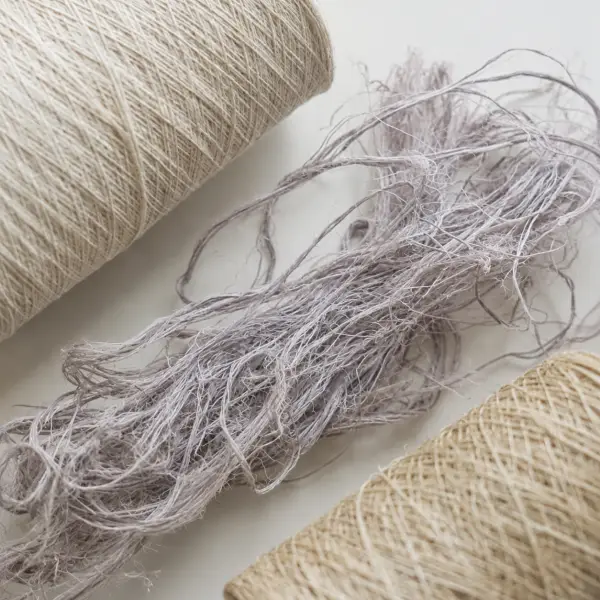
Lyocell Sheets: Wood Pulp or Bamboo Pulp?
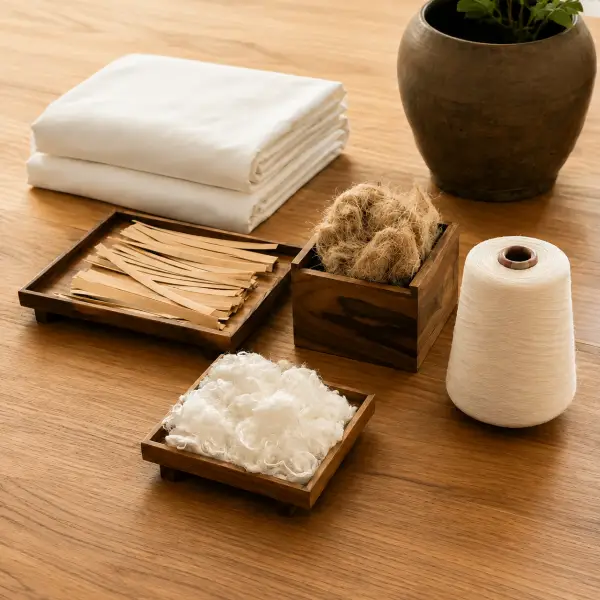
Lyocell is a type of regenerated cellulose fibre made from wood pulp, known for a smooth, soft feel. Bamboo lyocell uses the same process, but starts with bamboo pulp rather than wood pulp. Read our full guide to what lyocell is, how it is made and what its drawbacks are.
-

01 Bamboo
-
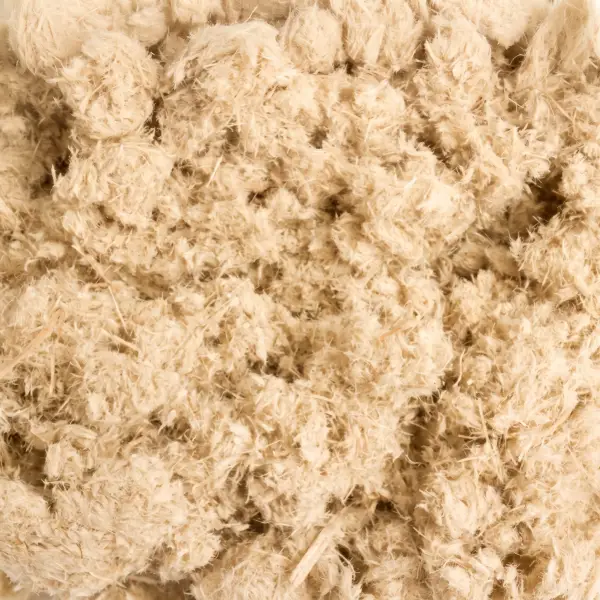
02 Bamboo pulp
-
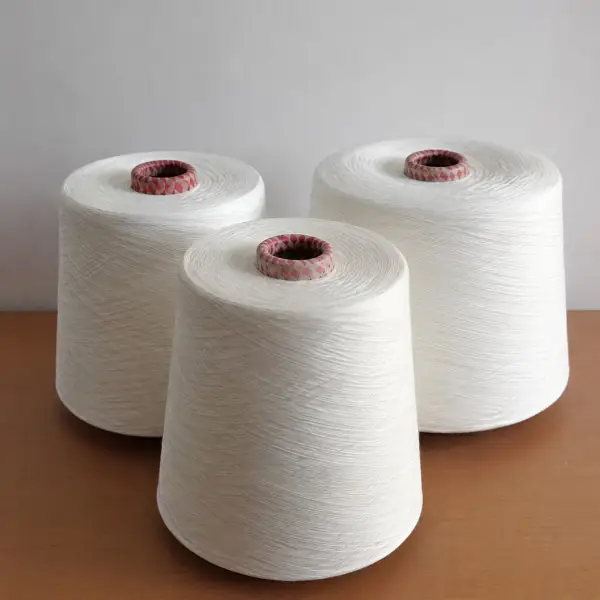
03 Yarn
-
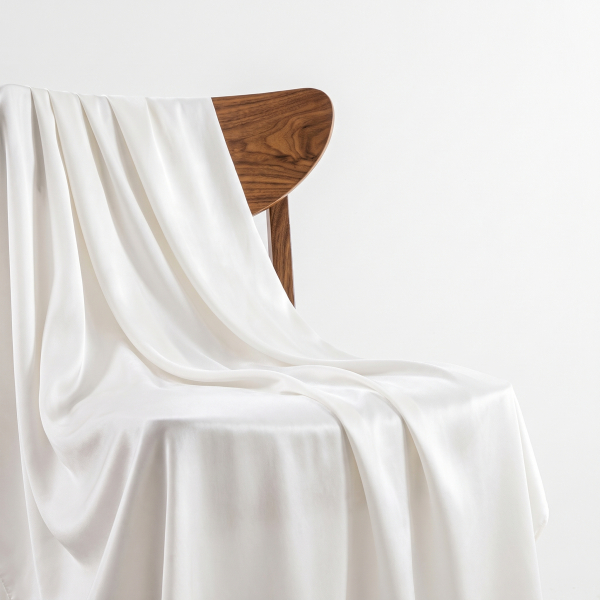
04 Bamboo lyocell sheet
Lyocell vs Viscose and Modal: What Is the Difference?
| Property | Lyocell | Modal | Viscose |
|---|---|---|---|
| Main Raw Materials | LyocellWood pulp | ModalWood pulp | ViscoseWood pulp |
| Solvent | LyocellLow toxic NMMO;>99% recovered | ModalHighly toxic CS₂ | ViscoseHighly toxic CS₂ |
| Environmental Impact | LyocellSpinning finish wastewater, easy to treat | ModalCS₂ waste gas, zinc & sulfur containing wastewater | ViscoseH₂S & CS₂ waste gas, Na₂SO₄ solid by product, sulfur containing wastewater |
Lyocell uses NMMO, with most of the solvent recovered and reused. Modal and viscose both use CS₂ and generate more complex waste streams that require stricter chemical and emission control.
| Property | What It Means | Lyocell | Modal | Viscose |
|---|---|---|---|---|
| Dry tenacity, cN/tex | Strength when dry.Higher is stronger. | Lyocell34-40 | Modal34-38 | Viscose22-26 |
| Wet tenacity, cN/tex | Strength when wet.Higher is better for washing. | Lyocell28-35 | Modal18-22 | Viscose10-15 |
| Moisture regain | Moisture absorbed from the air.Higher means more absorption. | Lyocell11-13% | Modal12.5% | Viscose13% |
| Relative water vapour permeability | How easily water vapour passes through.Higher is more breathable. | Lyocell40.2% | Modal41.8% | Viscose38.1% |
| Thermal conductivity, W/mK | How quickly heat moves through. Higher transfers heat faster. | Lyocell0.066 | Modal0.071 | Viscose0.074 |
Data sourced from cited studies from Journal of Engineered Fibers and Fabrics and Tekstil ve Konfeksiyon.
- Lyocell: Strongest in both dry and wet conditions, with good moisture absorption and balanced breathability. Slightly lower moisture regain than Modal and viscose.
- Modal: Stronger than viscose and the most breathable in this test. It also absorbs moisture well. Lower wet strength than Lyocell.
- Viscose: Absorbs the most moisture and transfers heat fastest. Cool at first touch. Lowest dry and wet strength, especially after washing. Not eco-friendly.
Lyocell vs Cotton: Which Bedding Feels Better in Summer?
| Fibre | Lyocell | Organic Cotton |
|---|---|---|
| Thermal Conductivity, W/m·K | Lyocell0.045 | Organic Cotton0.031 |
| Thermal Resistance, 10⁻³ m²·K/W | Lyocell18.2 | Organic Cotton19.0 |
| Air Permeability, mm/s | Lyocell650 | Organic Cotton695 (dry) |
| Water Vapour Resistance, m²·Pa/W | Lyocell2.3 | Organic Cotton2.8 |
| Moisture Regain, % | Lyocell11.0 | Organic Cotton8.5 |
| Surface Friction Coefficient | Lyocell0.2-0.3 | Organic Cotton~0.3 |
Data sourced from cited study.
Lyocell: Cool touch at first contact. Lyocell conducts heat and lets water vapour through more easily than cotton, and manages moisture better. Sweat transfers quickly to fabric surface and evaporates. Less clammy feeling when night sweating. Ideal for hot sleepers. But costs more than organic cotton. Prone to snagging; gentle care required.
Cotton: Balances softness and sustainability. Comfortable with slight sweating. Cotton locks moisture inside the fibre. Fabric becomes damp and sticky under heavy night sweat.
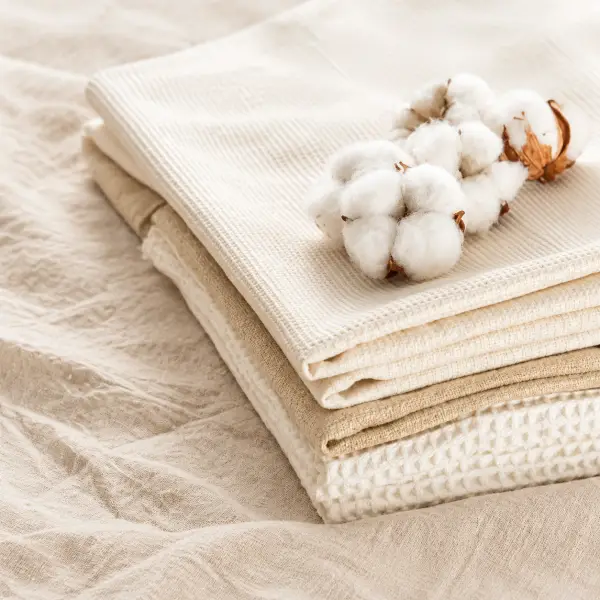
Bamboo lyocell and cotton, compared fibre by fibre: Bamboo Lyocell vs Cotton: Are Bamboo Sheets Cooling?
Who Is Lyocell Bedding Best For?
Lyocell bedding is suitable if you...
- Hot sleepers: Good moisture absorption and breathability for people who sweat easily or dislike a stuffy bed.
- Sensitive skin: eco-friendly process that does not use carbon disulfide.
- Prefer premium feel: A soft, smooth surface with a fluid drape.
- Humid or muggy bedrooms

Sensoire bamboo lyocell begins with organically grown bamboo. The pulp is dissolved in a closed loop with a gentle, non-toxic solvent, 99% recovered and reused. Nothing harsh touches the fibre, and nothing harmful is left behind.
Who Should Avoid Lyocell Sheets?
Consider another fabric if you...
- Cold sleepers: Lyocell is cool at first touch.
- Prefer heavy bedding
- Want a crisp, wrinkle resistant look: Lyocell creases after washing.
- Homes with a high snag risk: Pet claws, zips and rough surfaces catch delicate bedding.
How to Care for Lyocell Sheets and How Long Do They Last?
- Read the fibre label and the full set of care symbols before washing.
- Separate light and dark colours.
- Remove rough items, such as garments with zips, hooks, or Velcro, from the load.
- Use a mild, neutral detergent.
- Use an oxygen based stain remover instead of chlorine.
- Keep the water below 40°C for Sensoire bamboo lyocell. Varies by product.
- Do not scrub, brush, or twist the fabric. Handle it gently.
- Do not wring it after washing. Fold and press out excess water gently.
- Dry it flat or hang it in a cool, shaded, well ventilated place. Avoid direct sunlight.
- Store in a dry, ventilated place away from light.
If you are unsure, take it to a professional cleaner. With gentle care, lyocell bedding typically lasts around 3 to 5 years. It also depends on the fabric construction, washing frequency, and drying method.
Lyocell Bedding FAQs
What Is Lyocell Bedding Made Of?
Lyocell bedding is made from regenerated cellulose, usually wood pulp, dissolved in NMMO and spun into fibre. Bamboo lyocell follows the same process but begins with bamboo pulp.
Is Lyocell Bedding Cooler Than Cotton?
Yes. This article’s data shows that lyocell feels cooler at first contact and manages moisture better than cotton. It feels less clammy for hot sleepers or in humid bedrooms.
Is Lyocell Breathable for Hot Sleepers?
Yes. Lyocell absorbs moisture and allows water vapour to pass through, which can help hot sleepers stay more comfortable.
What Are the Disadvantages of Lyocell Bedding?
The main disadvantages are a higher price, creasing, a light drape, snag risk and the need for gentle care. Cold sleepers and people who prefer thick, crisp cotton may prefer another fabric.
How Should You Care for Lyocell Sheets, and How Long Do They Last?
Read the care label, use a mild neutral detergent and keep the water below 40°C for Sensoire bamboo lyocell. Avoid rough hardware, chlorine, scrubbing and wringing, then dry in shade. With gentle care, the article estimates a typical lifespan of about 3 to 5 years.
From the Collection
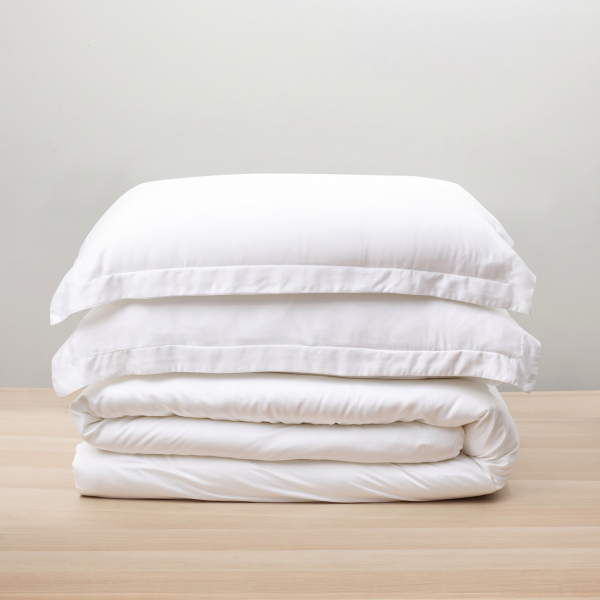
100% Bamboo Lyocell · Sateen
Bamboo Lyocell Duvet Cover Set
One duvet cover and two pillowcases, with corner ties and a hidden zip to keep the duvet in place.
135 × 200 to 260 × 240 cm · Eight colours · OEKO-TEX
100% Bamboo Lyocell · Sateen
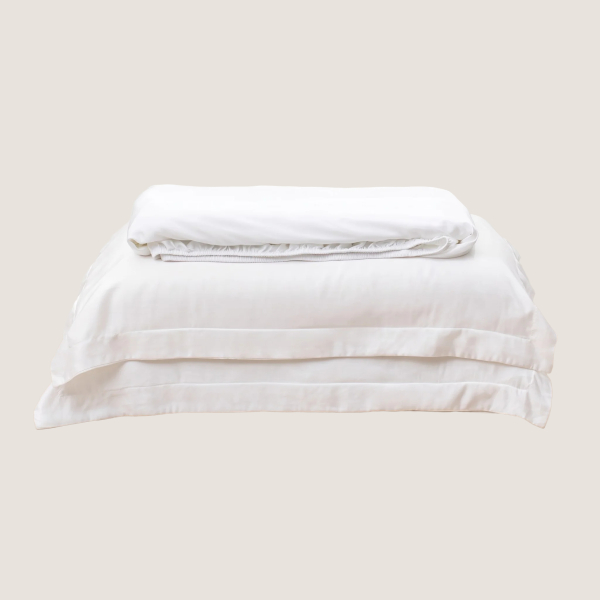
Bamboo Lyocell Fitted Sheet Set
One fitted sheet and two pillowcases, elasticated all round for mattresses up to 40 cm deep.
140 to 200 × 200 cm · Seven colours · OEKO-TEX
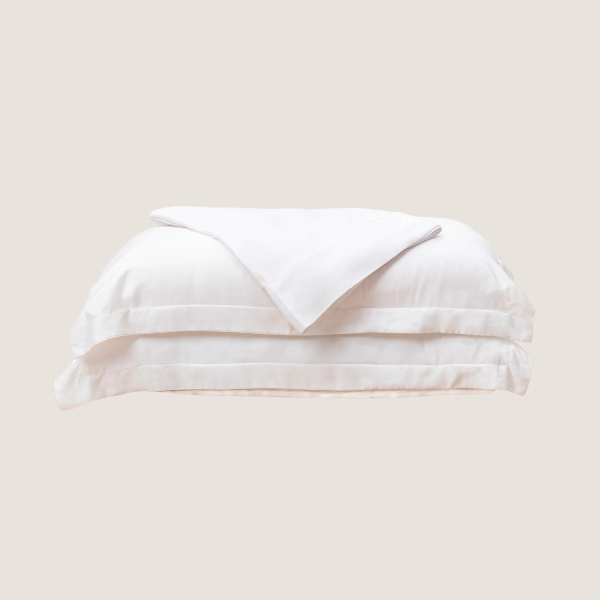
100% Bamboo Lyocell · Sateen
One flat sheet and two pillowcases, cut generously to tuck in or to drape.
180 × 290 to 270 × 300 cm · Seven colours · OEKO-TEX
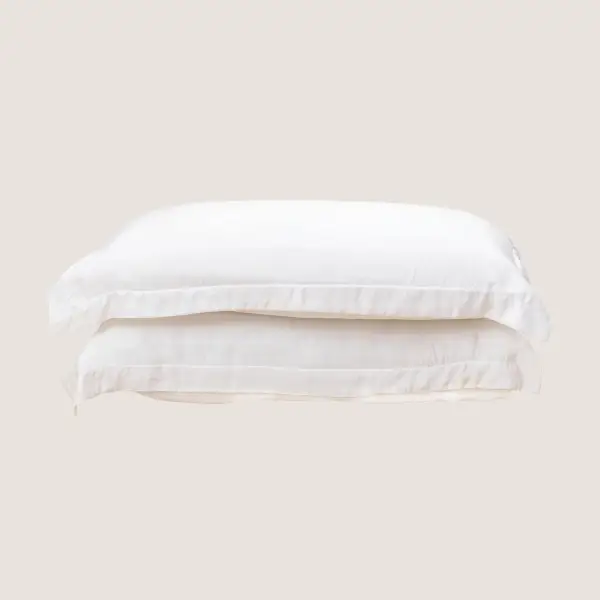
Set of Two · Sateen
Two matching pillowcases in the same smooth bamboo lyocell sateen.
Nine sizes, 40 × 40 to 80 × 80 cm · Eight colours · OEKO-TEX