


Fibre Guide · Bamboo Lyocell
Bamboo vs Cotton Sheets: Are Bamboo Lyocell Sheets Cooler?
Choosing between bamboo lyocell and cotton sheets comes down to how each fibre handles heat, moisture, texture, and everyday care. This guide compares their structure, tested performance, sleep feel, advantages, drawbacks, and best uses, so you can choose the bedding that suits your climate and sleep habits.
Quick answer: Bamboo lyocell usually feels cooler and smoother than cotton. Its higher thermal conductivity, lower thermal resistance, greater moisture regain, and lower surface friction can help it feel fresher and less clammy in warm weather. Cotton offers a familiar matte feel, broad availability, easier care, and year round comfort.
Choose bamboo lyocell for hot, humid nights and a silkier touch, or cotton for classic comfort and simpler maintenance.
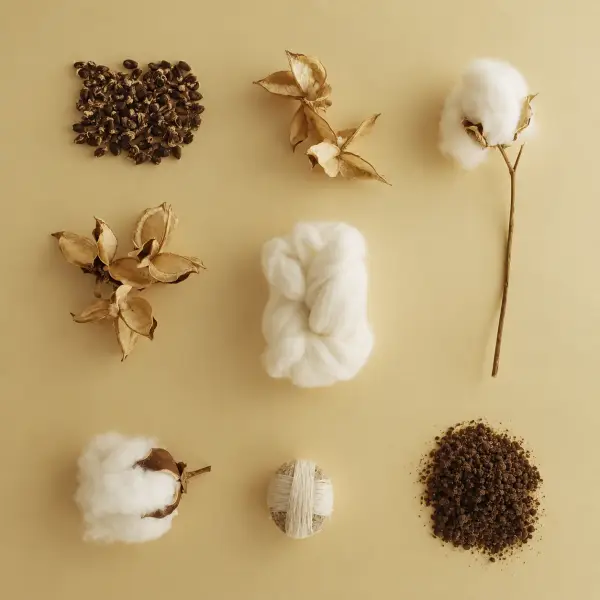
What Does “Bamboo” Mean in Bamboo Bedding?
When shopping for bamboo fabrics, you may come across terms like “regenerated cellulose,” along with names such as bamboo viscose and bamboo lyocell. They all start with cellulose from plants, which is processed and spun into new fibres. What sets them apart is the source material and the way each fabric is made.
| Property | Bamboo Lyocell | Bamboo Viscose |
|---|---|---|
| Raw material | Bamboo LyocellBamboo pulp, regenerated cellulose | Bamboo ViscoseBamboo pulp, regenerated cellulose |
| Solvent | Bamboo LyocellNMMO (N-methylmorpholine N-oxide, C₅H₁₁NO₂)Non toxic organic solvent | Bamboo ViscoseNaOH, CS₂, H₂SO₄(harsh chemicals)High toxic |
| Production | Bamboo Lyocell> 99% recoveredClosed loop production | Bamboo Viscose~70-85% recoveredTraditional open loop production |
| Environmental output | Bamboo LyocellSpinning finish wastewater, easier to treat | Bamboo ViscoseH₂S and CS₂ waste gas, Na₂SO₄ solid by product, sulfur containing wastewater |
Bamboo lyocell and bamboo viscose both feel soft, breathable, and absorbent. Bamboo lyocell is stronger when dry and wet, while viscose is weaker when wet and easy to lose shape. For a more detailed comparison, read our guide to Bamboo Lyocell and Bamboo Viscose.
Bamboo Lyocell vs Cotton Fibre Structure
Bamboo lyocell and cotton have noticeably different cross sectional shapes. These structural differences affect how the two materials perform and, in turn, how you feel during sleep.
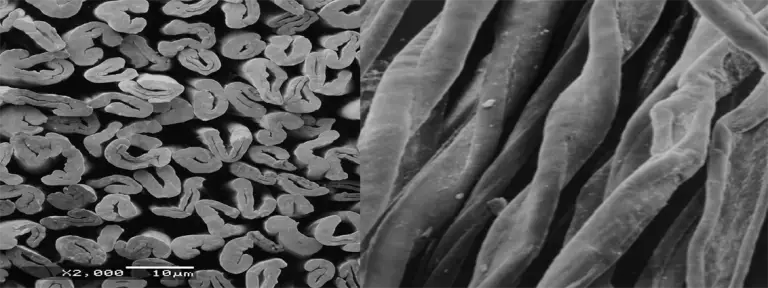
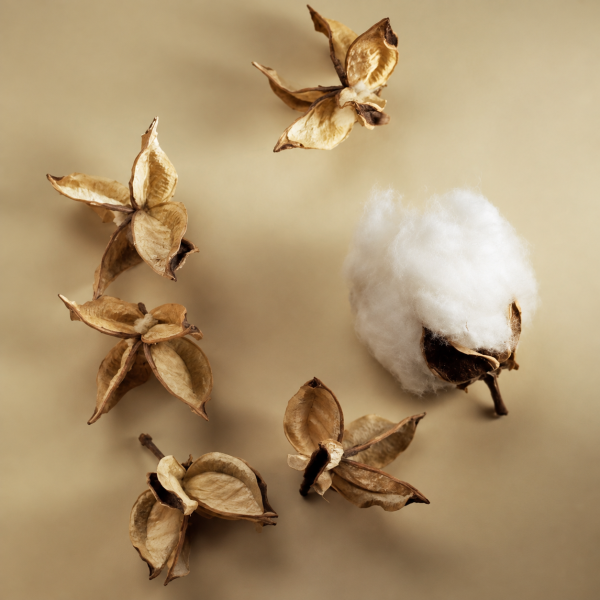
Cotton fibres are kidney shaped and contain a central lumen that acts like a tiny moisture reservoir, helping the fibre absorb water and feel airy when dry. Once the fabric is saturated, it feels heavier and takes longer to dry.
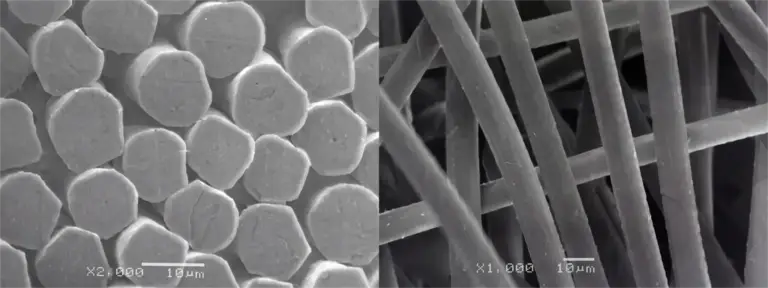
Lyocell fibres are round or nearly round. Its finer structure helps distribute moisture through the fabric, creating a drier, less clammy feel against the skin. Its smooth surface gives the fabric a soft, low friction feel.
Bamboo Lyocell vs Cotton Performance Comparison
| Property | What it measures | Bamboo Lyocell | Cotton |
|---|---|---|---|
| Thermal Conductivity, W/m·K | How quickly heat moves through the fibre. | Bamboo Lyocell0.049 | Cotton0.031 |
| Thermal Resistance, 10⁻³ m²·K/W | How strongly the material resists heat flow. Lower for cooler. | Bamboo Lyocell15.5 | Cotton19.0 |
| Air Permeability, mm/s | How easily air passes through the fabric. | Bamboo Lyocell695, dry | Cotton695, dry |
| Water Vapour Resistance, m²·Pa/W | How easily water vapour passes through fabric. | Bamboo Lyocell2.5 | Cotton2.8 |
| Moisture Regain, % | How much moisture a fibre absorbs. | Bamboo Lyocell13.0 | Cotton8.5 |
| Surface Friction Coefficient | How much resistance the surface creates. | Bamboo Lyocell~0.25 | Cotton~0.3 |
Data sourced from cited study.
Bamboo Lyocell Moisture Absorption vs Cotton
53% higher moisture regain than cotton
In warm weather, the body releases heat and moisture through the skin to help regulate its temperature. How breathable a fabric feels can affect how comfortable you are in bed.
Based on the test results, bamboo lyocell shows higher moisture regain and thermal conductivity, along with lower thermal and water vapour resistance than cotton. Together, these properties can support a cooler, drier feel, making bamboo lyocell a good option for spring and summer bedding.
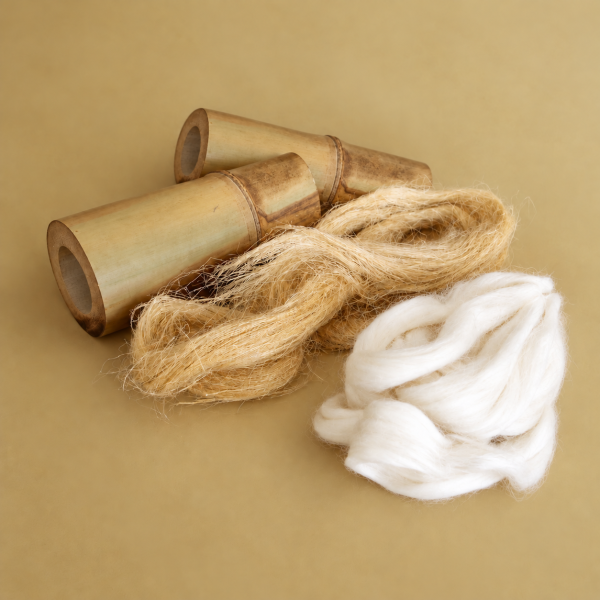
Bamboo Lyocell vs Cotton: Surface Friction and Softness
17% lower surface friction than cotton
A softer fabric often drapes more fluidly and feels more comfortable against the body. Silk is known for its particularly fluid drape and has the lowest friction value at 0.19 in this study. According to the cited data, bamboo lyocell follows at around 0.25, compared with about 0.30 for cotton. Its lower surface friction gives it a smoother, softer feel against the skin.
Are Bamboo Lyocell Sheets Cooler Than Cotton?
59% higher contact coolness than cotton
For summer bedding, a fabric with a stronger cool to the touch feel can make getting into bed feel more comfortable on warm nights. In sample testing, lyocell recorded a contact coolness value of 0.218 W/cm², compared with 0.137 W/cm² for pure cotton. This gives lyocell a noticeably cooler first touch. Cotton feels warmer on contact and is a comfortable choice for year round use.
Weave, fabric weight and yarn construction can change how bamboo lyocell feels in use. A plain weave feels lighter and more open, while twill or sateen creates a smoother surface and more fluid drape. The fibre name alone does not determine breathability or thermal comfort.
Bamboo Lyocell vs Cotton Pros and Cons
| Fibre | Pros | Cons |
|---|---|---|
| Bamboo Lyocell | Pros
|
Cons
|
| Cotton | Pros
|
Cons
|
Who Is Bamboo Lyocell Bedding Best For?
- Hot sleepers and people with night sweats
- People seeking sheets with immediate cool surface feel
- Those who love silky, low friction fabric
- Prefer sustainable and eco-friendly bedding
- Residents of warm, humid climates
Who Is Cotton Bedding Best For?
- Cool sleepers who prefer a warm, cosy feel
- Fans of a classic matte finish
- Budget conscious buyers
- Residents of mild or cool climates
- Enjoy bedding that softens with every wash
How to Wash and Care for Bamboo Lyocell Sheets
- Check the care label before washing.
- Keep zips, hooks and Velcro out of the load.
- Use a mild, neutral detergent.
- Keep the wash below 40°C for Sensoire bamboo lyocell bedding.
- Choose an oxygen based stain remover, not chlorine bleach.
- Do not scrub, twist or wring the fabric.
- Dry flat or hang in a cool, shaded place.
- Store in a dry, well ventilated space away from direct light.
If you are unsure, take it to a professional cleaner. For more care guidance, read Bamboo Lyocell Care Guide.
Frequently Asked Questions About Bamboo Lyocell vs Cotton
Are bamboo lyocell sheets cooler than cotton sheets?
The figures in this comparison show that bamboo lyocell transfers heat faster, resists heat flow less, and feels cooler on first contact than cotton. That can make it a more comfortable option for warm weather and hot sleepers.
Is bamboo lyocell more breathable than cotton?
The dry air permeability values in this comparison are the same. Bamboo lyocell has lower water vapour resistance and higher moisture regain, which can help moisture and vapour move away from the skin more comfortably.
Does bamboo lyocell absorb more moisture than cotton?
Yes. The table lists a moisture regain of 13.0% for bamboo lyocell and 8.5% for cotton. This higher value helps bamboo lyocell manage humidity and reduce a clammy feel.
What is the difference between bamboo lyocell and bamboo viscose?
Both are regenerated cellulose fibres made from bamboo pulp. Bamboo lyocell uses NMMO in a closed loop process that recovers and reuses most of the solvent. Bamboo viscose uses an open loop process with NaOH, CS₂, and H₂SO₄, creating more complex waste streams.
How should bamboo lyocell sheets be washed?
Check the care label first. Use a gentle cycle, water below 40°C, and a mild neutral detergent. Wash away from zips, hooks, and rough items, avoid chlorine bleach, and dry in a cool shaded place.
From the Collection
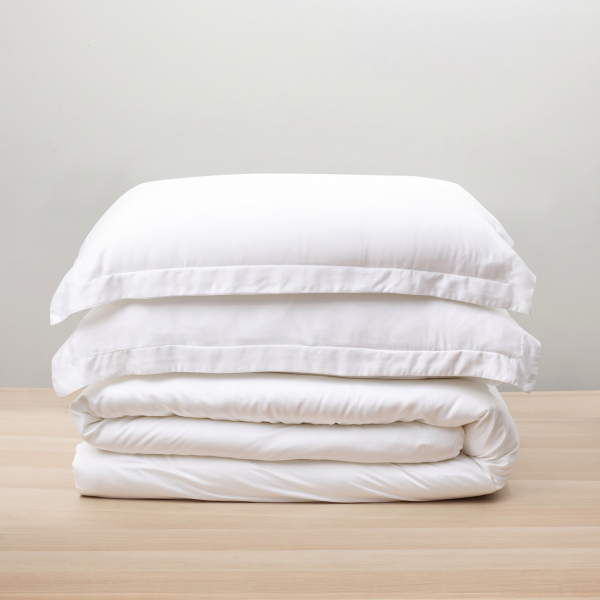
100% Bamboo Lyocell · Sateen
Bamboo Lyocell Duvet Cover Set
One duvet cover and two pillowcases, with corner ties and a hidden zip to keep the duvet in place.
135 × 200 to 260 × 240 cm · Eight colours · OEKO-TEX
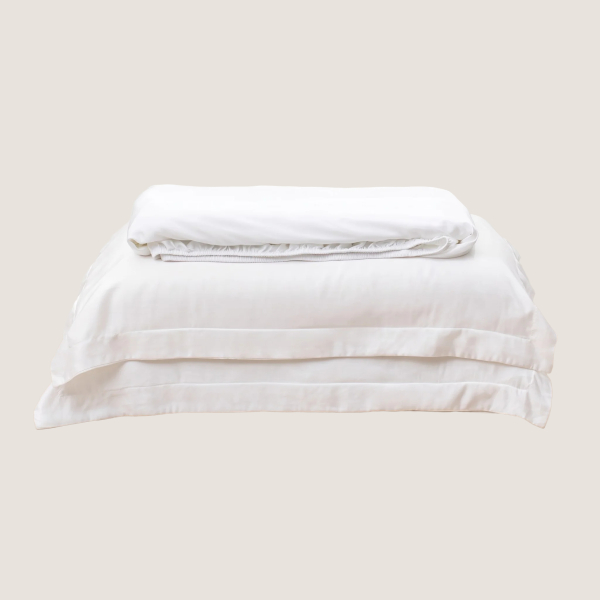
100% Bamboo Lyocell · Sateen
Bamboo Lyocell Fitted Sheet Set
One fitted sheet and two pillowcases, elasticated all round for mattresses up to 40 cm deep.
140 to 200 × 200 cm · Seven colours · OEKO-TEX
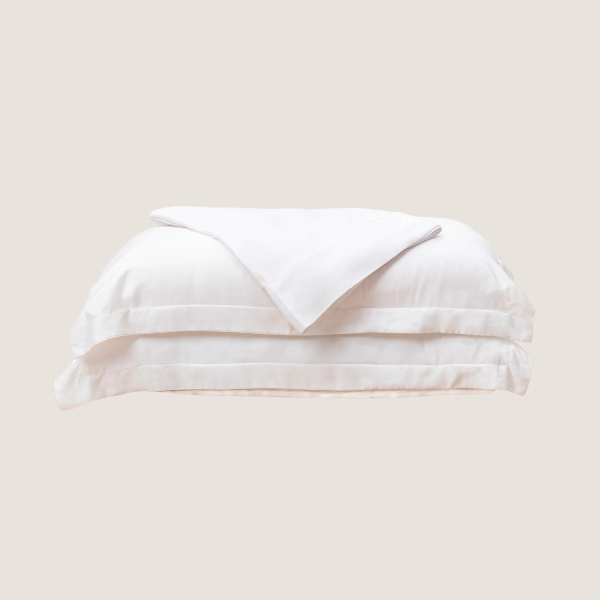
100% Bamboo Lyocell · Sateen
One flat sheet and two pillowcases, cut generously to tuck in or to drape.
180 × 290 to 270 × 300 cm · Seven colours · OEKO-TEX
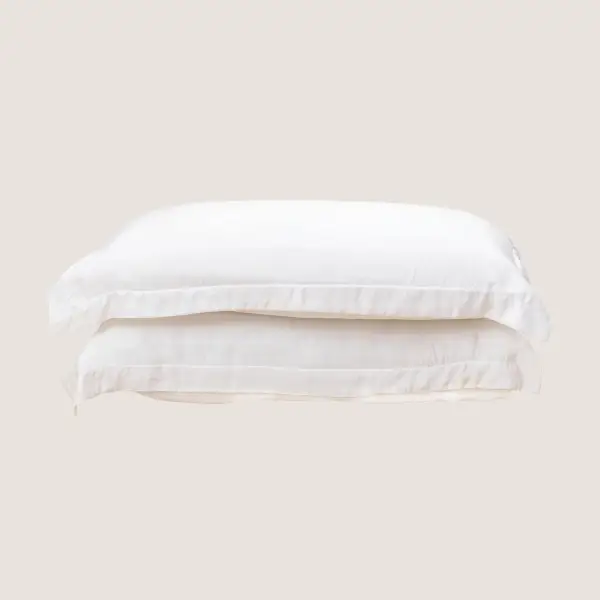
Set of Two · Sateen
Two matching pillowcases in the same smooth bamboo lyocell sateen.
Nine sizes, 40 × 40 to 80 × 80 cm · Eight colours · OEKO-TEX