Warm Neutral
Oatmeal
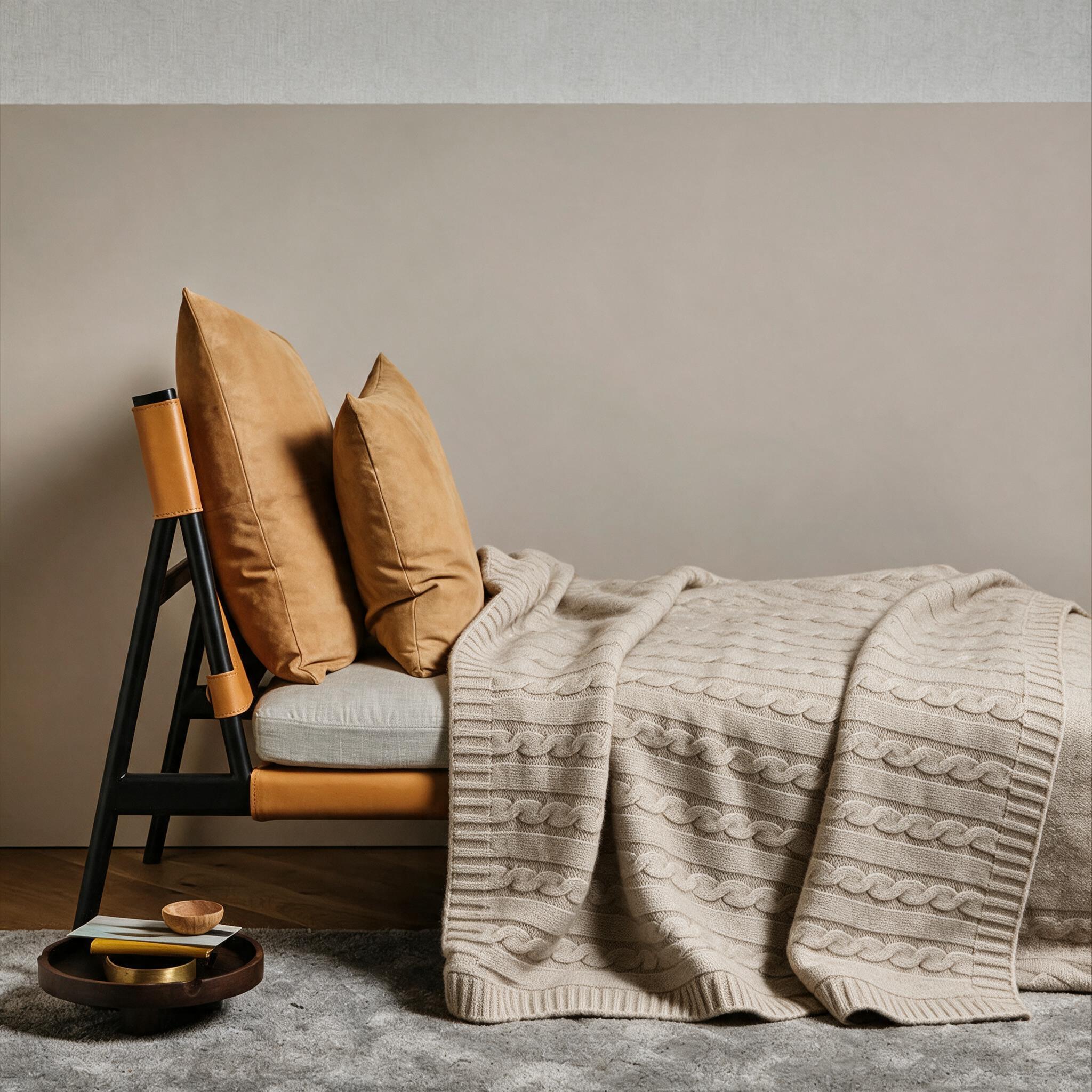
A soft, natural tone that sits easily with linen, oak and ivory bedding.
Discover
Join Sensoire and unlock your code.
New subscribers, first order.
Natural · Sleep · Ritual
Cable knit throws in 100% Inner Mongolian cashmere. Light in the hand, warm around the shoulders, and quiet enough to live on any sofa or at the foot of any bed.
Cable Knit Cashmere

Warm Neutral
A soft, natural tone that sits easily with linen, oak and ivory bedding.
Discover
Deep and Grounding
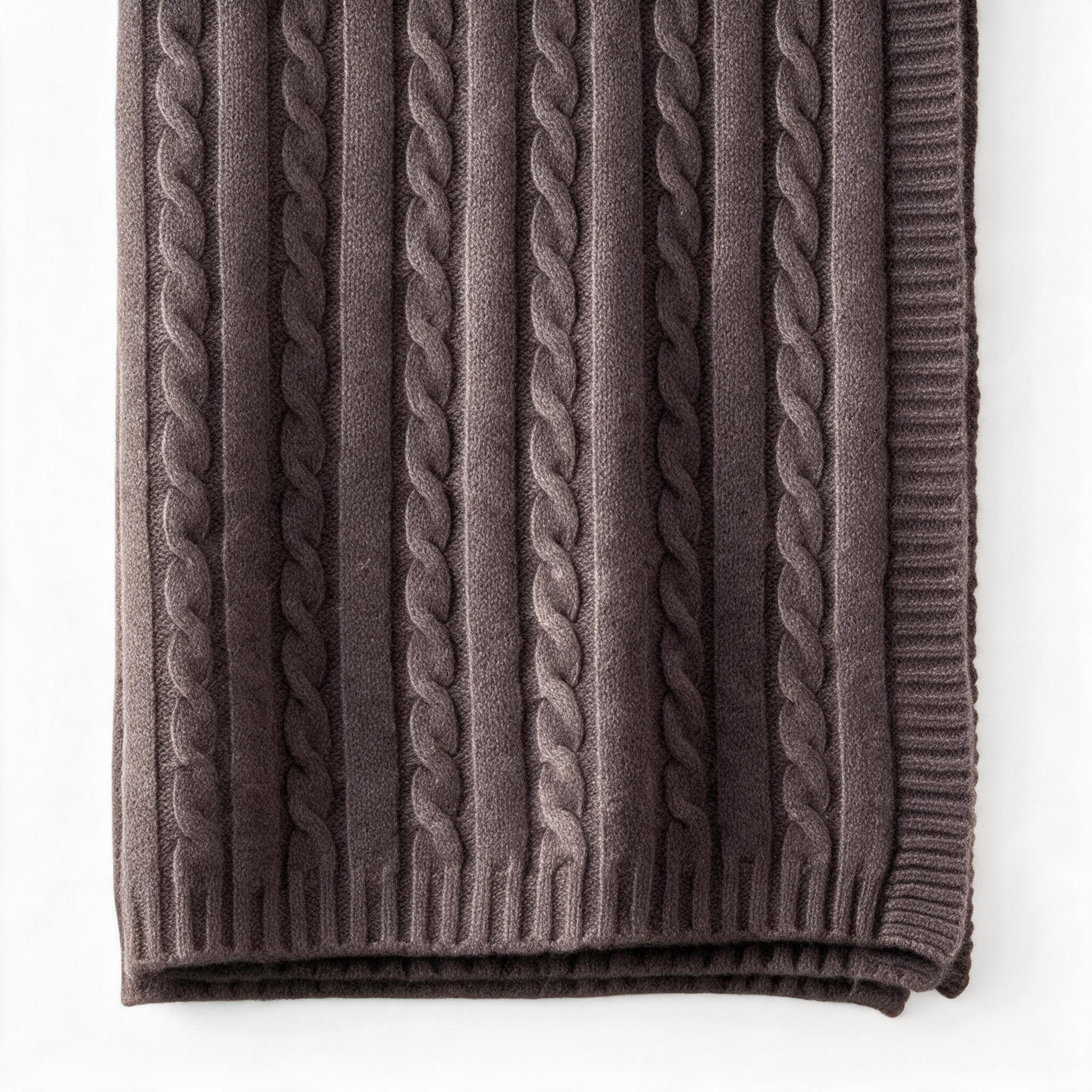
A rich brown with depth, for a reading chair or a bed dressed in white.
Discover
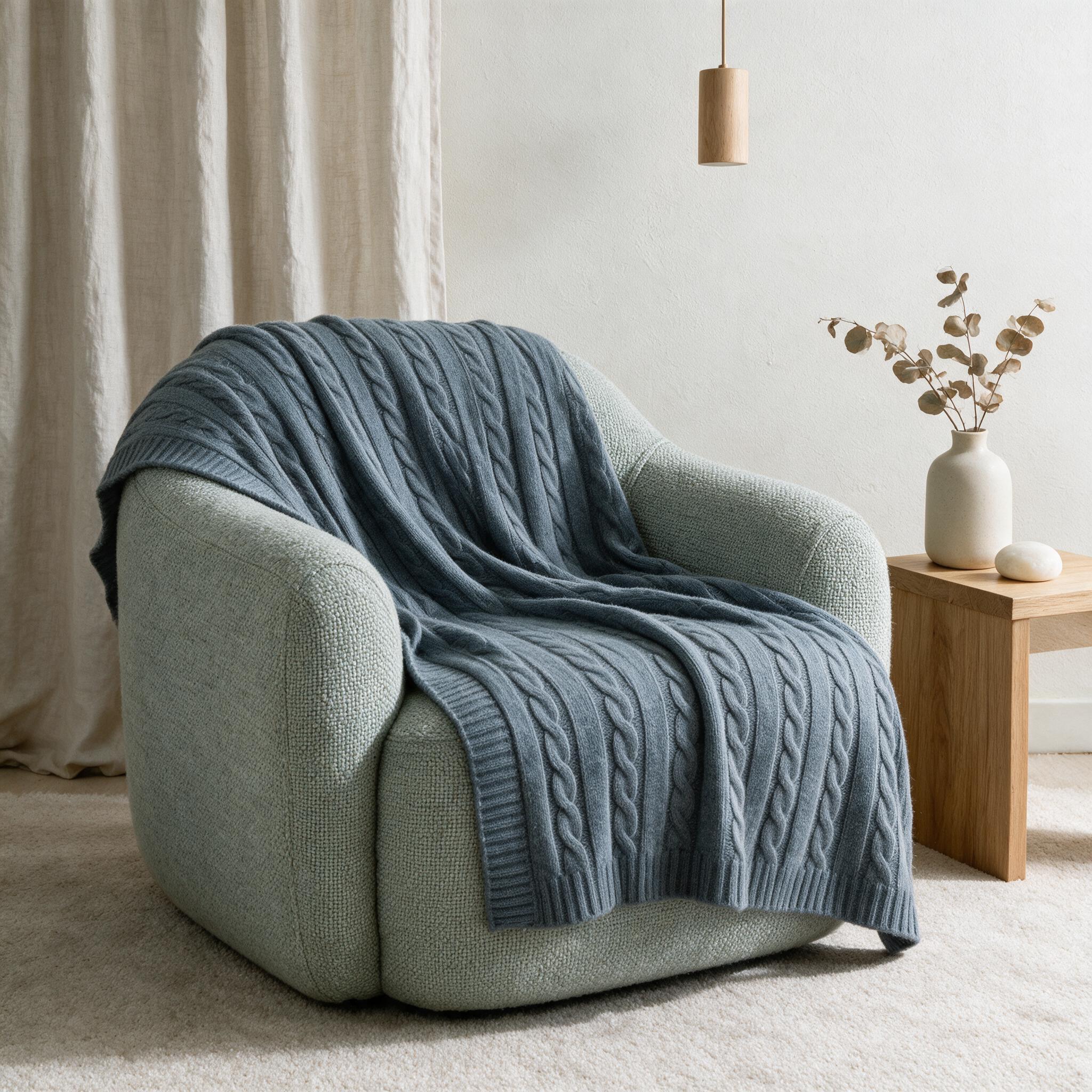
Calm and Cool
A quiet grey that rests beside stone, sage and pale timber without asking for attention.
DiscoverShowing the single result

The Fibre
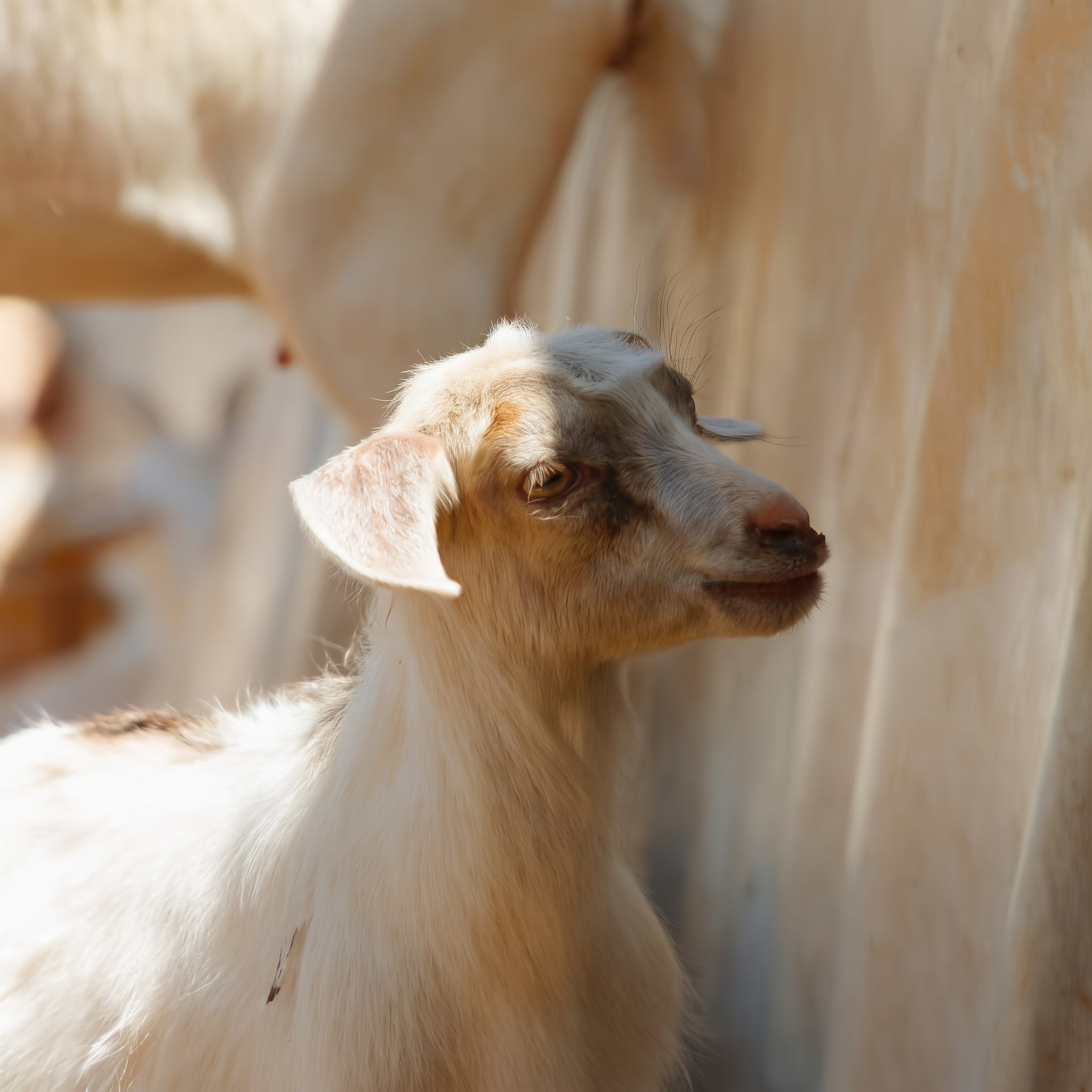
Our cashmere comes from the Hanshan white cashmere goat of Chifeng, in Inner Mongolia. Through the long grassland winter the goats grow a fine, downy undercoat beneath their outer hair. In spring it is combed away by hand, a little from each animal. The Hanshan goat gives white cashmere, the most prized of the natural shades, because it takes any colour cleanly.
Shop the ThrowThat undercoat is the whole of this throw. Each fibre is far finer than a human hair and holds a pocket of still air, which is why cashmere gives about three times the warmth of sheep's wool for the same weight. The knit feels light and soft against the skin while keeping warmth close to the body.
Four-Ply Cable Knit
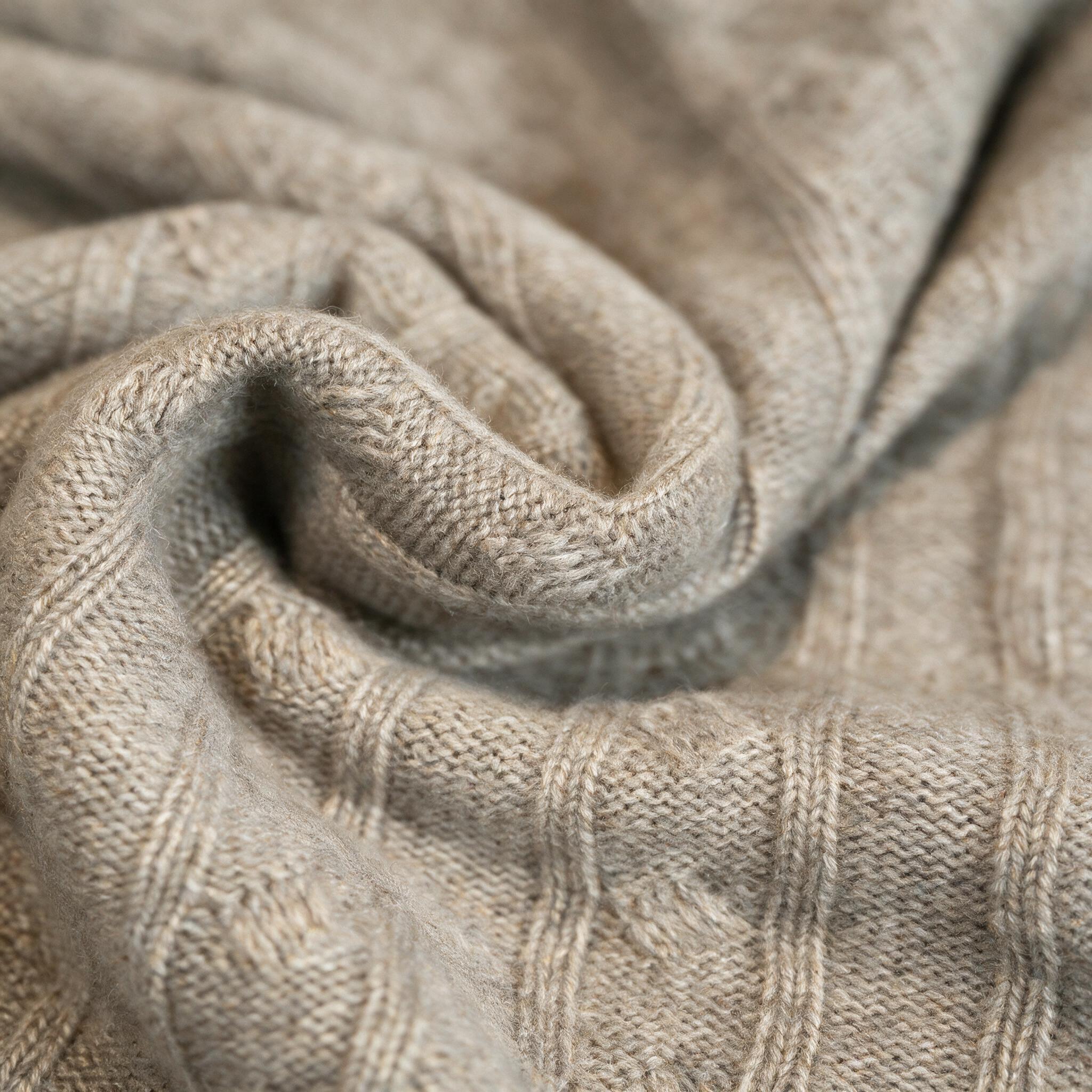
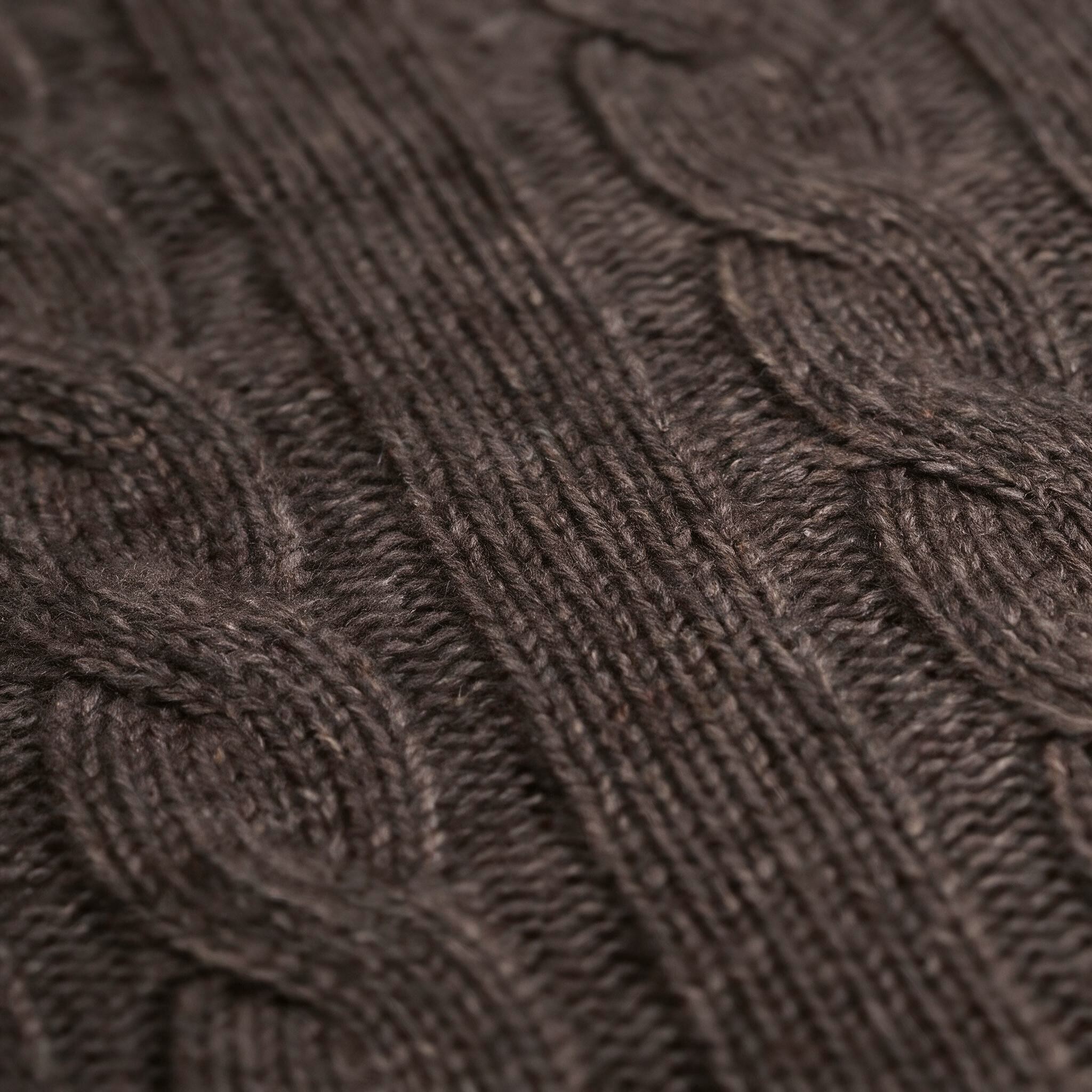
Four strands of cashmere are twisted into one yarn and knitted into deep, raised cables with ribbed edges. The throw holds its shape, lies neatly when folded, and drapes softly over the arm of a chair.
See the ThrowCashmere CareBuying Guide
Yes. Every strand is cashmere from the Hanshan white goat, with no wool, nylon or polyester blended in. That matters, because a label can say 100% cashmere and still describe thin yarn spun for yield rather than quality. Ours is four strands of cashmere twisted into one yarn and knitted at 720 to 1500 grams per square metre, so the throw feels full and substantial in the hand.
Look at three things: the fineness of the fibre, the number of plies in the yarn, and how densely it is knitted. Fine cashmere measures around 14 to 16 microns. A yarn of two or more plies keeps its shape, while single-ply yarn tends to thin where it rubs. A dense knit also wears better than a loose one, which can feel soft at first and then slacken with use. Our throw is spun from 14 to 16 micron cashmere, four-ply, and knitted at 720 to 1500 gsm.
Four-ply means four fine strands of cashmere are twisted together to make each yarn. The finished yarn is fuller and rounder than a single strand, so the knit is denser, holds its cables crisply and is less likely to stretch or thin with use. It is also what gives the knit its substantial weight, from 720 to 1500 grams per square metre.
Our cashmere comes from the Hanshan white cashmere goat, raised on the grasslands around Chifeng in Inner Mongolia. The goats grow a fine, downy undercoat through the cold winter, and in spring it is combed out by hand. That undercoat is the only fibre in the throw.
Because there is far less of it. One goat gives roughly 50 to 200 grams of cashmere a year, combed by hand in spring, while a sheep can give several kilograms of wool from a single shearing. Our throw holds more than a kilogram of four-ply cashmere, so each one carries the yearly undercoat of several goats.
Weight for weight, cashmere usually feels warmer than ordinary sheep's wool. Its fibres are much finer, so a light knit holds plenty of still air close to the body and feels warm without feeling heavy. Wool is sturdier and costs less, which suits a bed blanket or a throw for a busy family room. Cashmere is the one to wrap around yourself, next to bare skin.
Fine cashmere feels soft rather than prickly against bare skin. The prickle people associate with wool comes from thicker, stiffer fibres pressing on the skin, and cashmere fibres are far finer than ordinary wool. A new throw can release a few loose surface fibres at first, which may tickle until they work free; this settles with use.
It is unlikely to feel stuffy. Cashmere is a natural animal fibre that breathes and lets moisture move away from the skin, so it keeps you warm without the clammy heat that polyester fleece can trap. That makes it comfortable through a long evening on the sofa, or as an extra layer at the foot of the bed in winter.
Yes, as a finishing layer rather than a full blanket. At 90 × 180 cm it is sized for one person: laid across the foot of a double or king-size bed, its length runs across the width of the mattress, or you can pull it over the duvet on a cold night. It will not cover a whole mattress the way a bed blanket does.
All three are warm natural fibres, and the choice comes down to feel. Alpaca is dense and warm, and is often chosen by people who find sheep's wool itchy. Mohair, from the Angora goat, is lustrous, springy and hard-wearing. Cashmere is the finest of the three, so it is the lightest for the warmth it gives, with a soft, slightly brushed surface that sits gently against bare skin.
Hand wash it in cool water with a gentle wool detergent, or have it dry cleaned. Choose a detergent made for wool with no enzymes, because the protein-digesting enzymes in everyday detergents can weaken animal fibres. Squeeze the water through gently without rubbing or wringing, press it out between towels, and dry the throw flat away from direct heat and sunlight, since a wet knit stretches if it is hung.
We advise against both. Heat and agitation make cashmere fibres lock together and felt, and a dense knit can shrink and lose the shape of its cables. Cashmere sold as machine washable has usually been given an anti-shrink finish that smooths the natural scales on each fibre. Our throw is made to be washed by hand instead, which is gentler and keeps it soft and true to size. Never tumble dry.
Only when it is actually soiled. Cashmere tends to resist odours, so between washes it is usually enough to shake the throw out and air it for an afternoon by an open window or outdoors in the shade. Brush off any dust once it is dry and spot-clean small marks with cool water. Fewer washes keep the fibres soft for longer.
A little, in the first weeks. Loose fibres on the surface roll into small pills where the throw rubs against a sofa or a sleeve, and this eases once they have worked free. Lift them gently with a cashmere comb rather than pulling them off by hand. A four-ply yarn in a dense knit pills less than thin, loosely knitted cashmere.
Store it clean, folded and somewhere dry. Clothes moths are drawn to natural fibres that carry traces of skin oils or food, so wash or air the throw before putting it away for the warmer months. Keep it in a breathable cotton bag rather than plastic, add cedar blocks or lavender sachets if you like, and take it out to air every few months.
Answers are AI generated. For an existing order, email contact@sensoire.com