


Fibre Guide · Satin
What Is Satin? A Weave, Not a Fibre: Silk Satin vs Polyester Satin
Satin is known for its smooth feel and glossy finish, but not every satin fabric feels the same. Some are light and breathable, while others feel warmer or more static. What is satin, and what causes these differences? This guide explains how the weave works, which fibres are used, and how to choose the right option.
Quick answer: Satin is a weave, not a fibre. Its long surface floats create a smooth feel, bright lustre and fluid drape, but can also make the fabric prone to snagging. Satin can be woven from silk, polyester, nylon, acetate or viscose. Sateen refers to a satin weave made with cotton or other spun staple fibres. Breathability, durability and care depend mainly on the fibre itself.
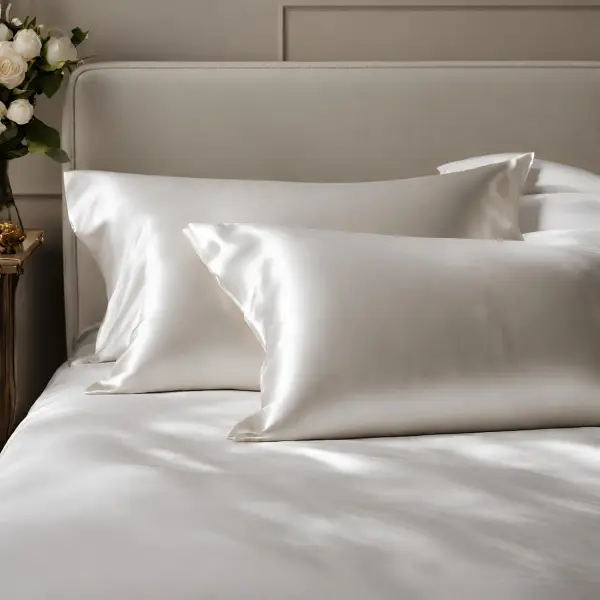
What is satin?
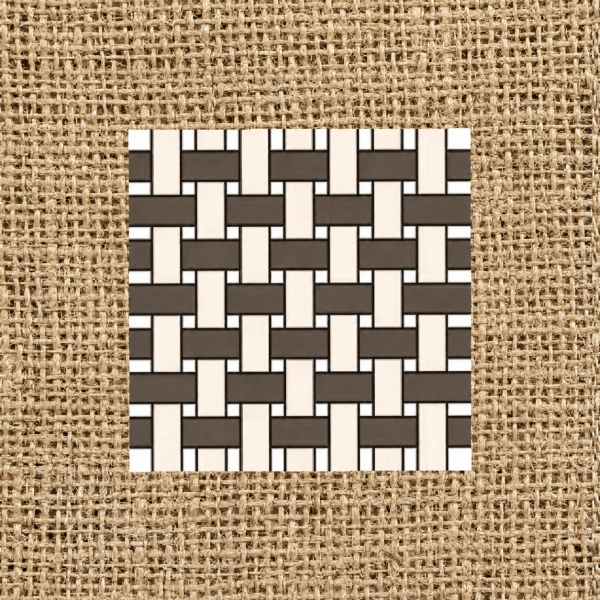
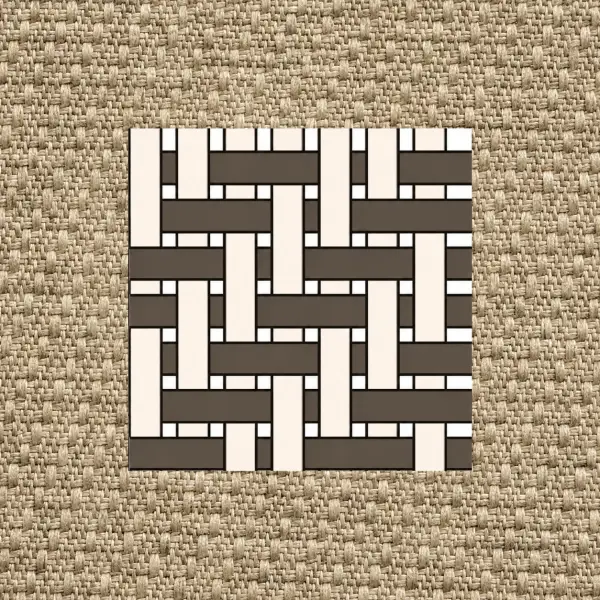
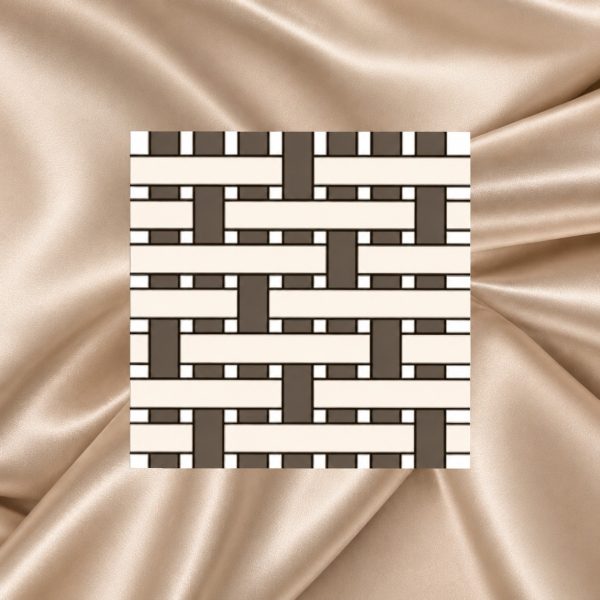
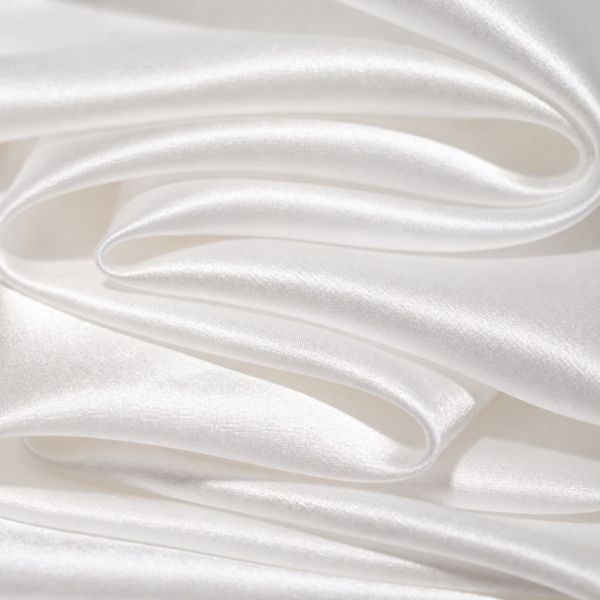
Satin refers to a weave rather than a specific fibre. In a satin weave, one set of yarns, either the warp or the weft, forms long floats that cover most of the fabric surface. The interlacing points are few and evenly distributed, creating a smooth, continuous surface that reflects light with minimal interruption. Compared with plain and twill weaves, satin has a brighter lustre, a softer feel and excellent drape.
What are the disadvantages of satin fabric?
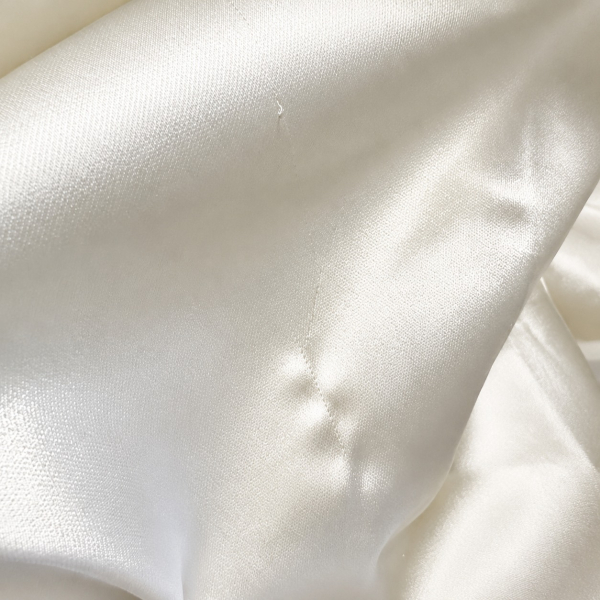
Satin has two distinct sides. The front is smooth and glossy, while the reverse is usually matte or finely textured. The long surface floats also make the fabric more delicate and prone to snagging, scratching and abrasion.
What is satin made of?
| Material | Category | Pros | Cons |
|---|---|---|---|
| Polyester | CategorySynthetic fibre | ProsDurable, affordable, easy care | ConsLess breathable, prone to static |
| Silk | CategoryNatural fibre | ProsSoft, breathable, luxurious | ConsExpensive, delicate |
| Viscose or rayon | CategoryRegenerated fibre | ProsSoft, absorbent, good drape | ConsWrinkles easily, weaker when wet |
| Acetate | CategoryManufactured fibre | ProsSmooth, lustrous, good drape | ConsLess durable, heat sensitive |
| Nylon | CategorySynthetic fibre | ProsStrong, lightweight, elastic | ConsProne to static, heat sensitive |
| Cotton (sateen) | CategoryNatural fibre | ProsSoft, breathable, absorbent | ConsWrinkles and may shrink |
Based on which yarns dominate the fabric surface, satin can be divided into warp faced satin and weft faced sateen.
The warp yarns float over several weft yarns, creating a smoother and denser surface. It’s commonly woven from continuous filament yarns such as silk, polyester, viscose, acetate and nylon.
Weft faced satin, known as sateen, is usually woven from spun staple fibres such as cotton. Its surface has a softer, more subtle lustre than satin.
Types of satin: charmeuse satin, duchess satin and crepe-back satin
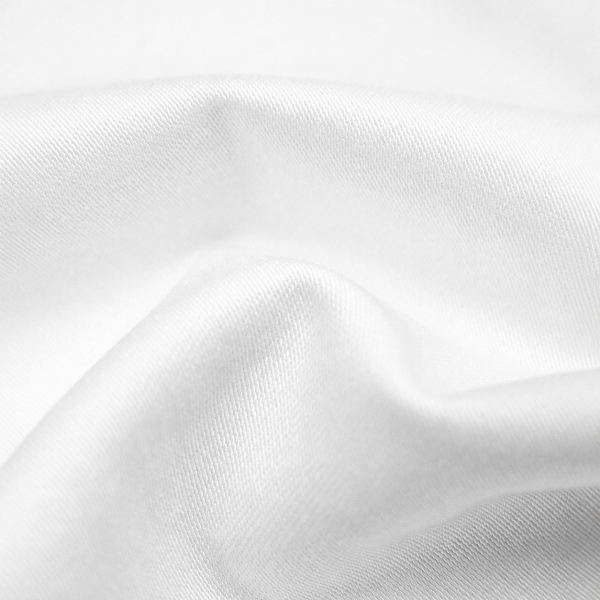
Satin is a base weave pattern. Charmeuse, duchess satin and crepe-back satin are styles of satin fabric. They differ in yarn, density, finish and the texture of their two sides.
What is charmeuse satin?
Charmeuse is a lightweight, fluid satin with a smooth, glossy face and a matte reverse. Its soft drape allows it to flow closely over the body, giving it an elegant and sensual appearance. Sensoire’s silk products use this charmeuse weave to bring the luxurious feel. It’s also common in lingerie and nightwear.
What is duchess satin?
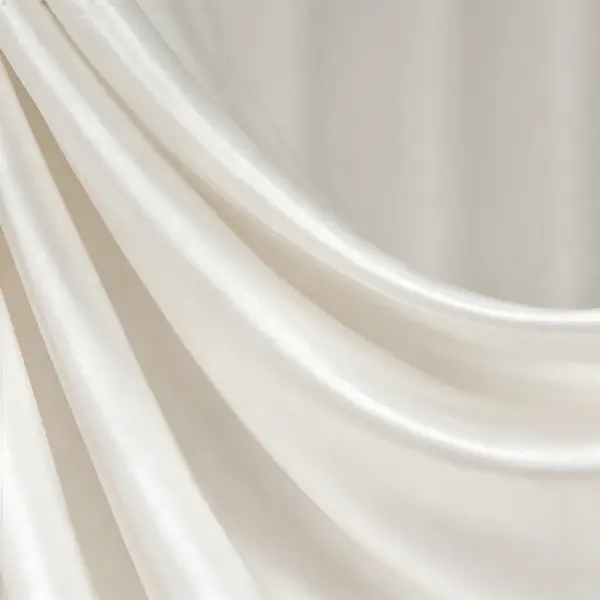
Duchess satin is heavier, firmer and more structured than charmeuse. It’s well suited to wedding gowns, formal dresses and tailored garments. Its stiffness makes it less suitable for bedding or everyday clothing.
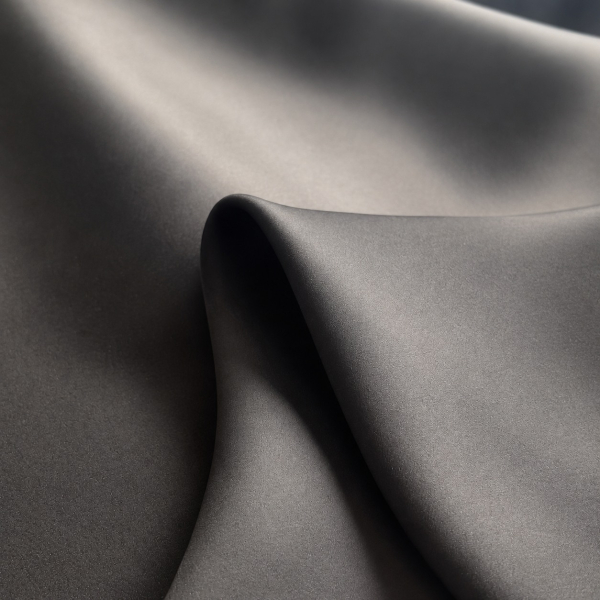
What is crepe-back satin?
Crepe-back satin has a glossy satin face and a matte, textured crepe reverse. Both sides can be used. It’s often used for dresses, blouses and occasion wear.
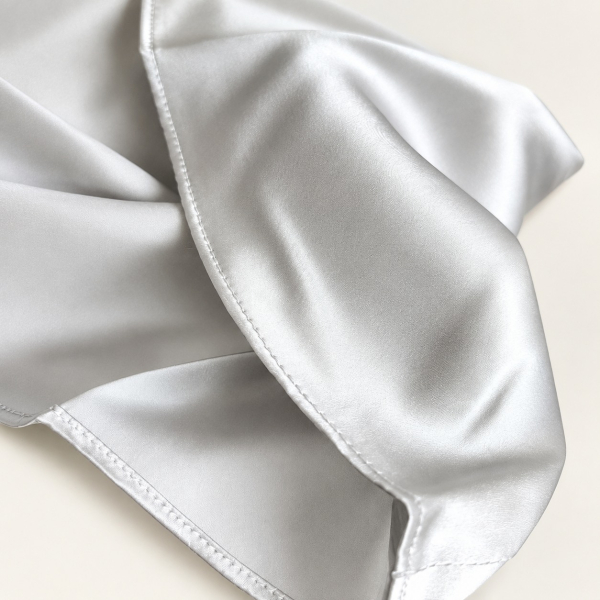
Is satin breathable?
Satin’s breathability depends on its fibre content and the weave structure. Compared with polyester and nylon satin, silk and cotton are more breathable.
| Fibre | Thermal conductivity, W/(m·K) | Moisture regain (%) | Dry tenacity (N/tex) | Chemical content or structure |
|---|---|---|---|---|
| Cotton | Thermal conductivity, W/(m·K)0.071-0.073 | Moisture regain (%)8.5 | Dry tenacity (N/tex)0.3 to 0.5 | Chemical content or structureCellulose |
| Silk | Thermal conductivity, W/(m·K)0.050-0.055 | Moisture regain (%)11.0 | Dry tenacity (N/tex)0.2 to 0.5 | Chemical content or structureFibroin |
| Viscose, rayon | Thermal conductivity, W/(m·K)0.055-0.071 | Moisture regain (%)11.0 | Dry tenacity (N/tex)0.1 to 0.3 | Chemical content or structureRegenerated cellulose |
| Acetate | Thermal conductivity, W/(m·K)0.050 | Moisture regain (%)6.5 | Dry tenacity (N/tex)0.1 to 0.2 | Chemical content or structureSecondary cellulose acetate |
| Polyester | Thermal conductivity, W/(m·K)0.084 | Moisture regain (%)0.4 | Dry tenacity (N/tex)0.3 to 0.9 | Chemical content or structurePolyethylene glycol terephthalate |
| Nylon | Thermal conductivity, W/(m·K)0.244-0.337 | Moisture regain (%)3.5 to 4.5 | Dry tenacity (N/tex)0.3 to 0.9 | Chemical content or structurePolyhexamethylene diamino adipate |
- Thermal conductivity: How quickly a fibre transfers heat. Cotton has faster heat transfer.
- Moisture regain: How much moisture a fibre can absorb. Silk and viscose have greater moisture absorption.
- Dry tenacity: The strength when dry. Polyester and nylon have greater resistance to breaking.
The actual feel depends not only on fibre type, but also on the weave structure and the fibres used for the warp and weft. For a broader comparison of fibre properties, including moisture regain, elongation, dry tenacity, flammability and chemical structure, see Table 1 in this study.
Satin vs silk for sleep and bedding
Silk and satin are not direct opposites. Silk is a fibre. Satin is a weave that can be made from silk, polyester, nylon, acetate or viscose. The best choice depends on your sleeping habits and comfort preferences.
Is satin good for hot sleepers?
Viscose, silk and cotton sateen are better choices because they absorb more moisture and feel more breathable.
Is satin good for sensitive skin?
Choose natural fibres such as silk or cotton with minimal processing and no added dyes, fragrances or chemical finishes.
Best satin material for frequent washing
Cotton sateen and polyester are the most practical options. Silk, viscose and acetate require gentler care.
Is satin durable?
Polyester and nylon suit people who value bedding that lasts longer over breathability and moisture absorption. Polyester is the most affordable and widely available choice.
How to tell silk satin from polyester satin
-
Check the label
Look for “100% silk,” “100% mulberry silk” or “100% polyester.” The word “satin” alone describes the weave and does not identify the fibre.
-
Examine the lustre
Silk satin has a pearly lustre. Polyester satin often has a brighter or slightly metallic sheen.
-
Feel the fabric
When two layers are rubbed together, silk produces a subtle crisp.
-
Squeeze gently
Squeeze fabric gently and release it. Silk tends to spring back and unfold naturally, while polyester satin will retain sharper creases and feel slightly stiffer.

Find more detailed instructions here.
If you are looking for high quality silk satin, explore the Silk Bedding Buying Guide. Sensoire silk pillowcases and bedding are made from 100% Grade 6A mulberry silk, creating a naturally smooth, breathable sleep surface throughout the night.
How to wash satin
Always check the care label and fibre content first. Satin can be made from silk, polyester, nylon or acetate.
If washing is allowed, use cold water and a mild detergent. Hand wash gently or use a delicate machine cycle with a mesh laundry bag. Avoid bleach, wringing and high heat. Air dry away from direct sunlight and iron on the reverse at a low temperature.
Frequently asked questions about satin fabric
What is satin fabric?
Satin fabric uses a weave with long yarn floats and few interlacing points. This creates a smooth, glossy face and a duller reverse. Satin can be made from silk, polyester, nylon, acetate or viscose.
Is satin breathable?
Breathability depends mainly on the fibre content and fabric construction. Silk and cotton options are generally more breathable than polyester and nylon satin.
What is the difference between satin and silk?
Silk is a natural fibre, while satin is a weave. Silk can be woven into satin, but satin can also be made from polyester, nylon, acetate or viscose.
Is sateen the same as satin?
No. Satin is usually warp faced and woven with smooth filament yarns. Sateen is usually weft faced and woven with spun staple yarns such as cotton, so its lustre is softer and less mirror like.
Silk vs satin pillowcase: which is better for sleep?
Silk satin suits sleepers who value breathability, moisture absorption and a soft natural feel. Polyester satin is more affordable and easier to care for, but it is usually less breathable and more prone to static.
From the Collection

19 or 22 Momme · Envelope
100% Pure Mulberry Silk Pillowcase
The everyday case, in either weight. A hidden envelope flap keeps the pillow tucked with no hardware near your face.
- 100% Grade 6A mulberry silk
- 19 or 22 momme, envelope closure
- OEKO-TEX Standard 100
22 Momme · Piped
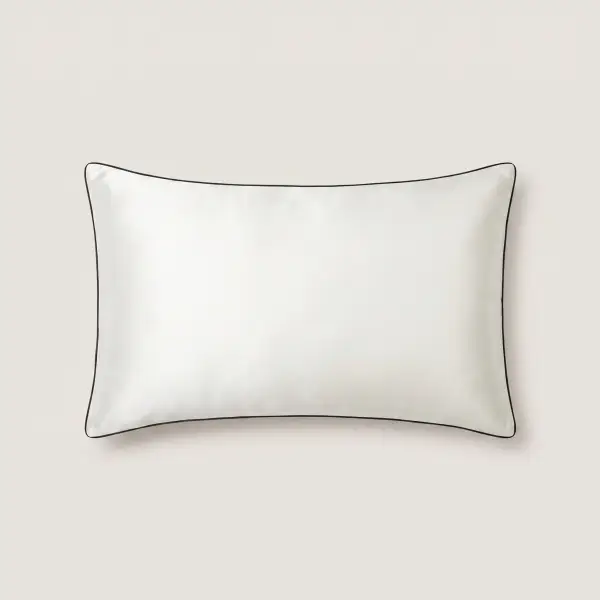
22 Momme Silk Pillowcase with Piping
The heavier weight with a piped edge, which gives the seam a defined finish and a charmeuse face on the sleeping side.
- 100% Grade 6A mulberry silk
- 22 momme, envelope closure
- Nine sizes, 40 x 40 to 80 x 80 cm

22 Momme · Oxford
Pure Silk Pillowcase with Oxford Flange
A flat contrast border around the case, with the envelope closure hidden behind it and nothing to catch.
- 100% Grade 6A mulberry silk
- 22 momme, contrast Oxford flange
- OEKO-TEX Standard 100
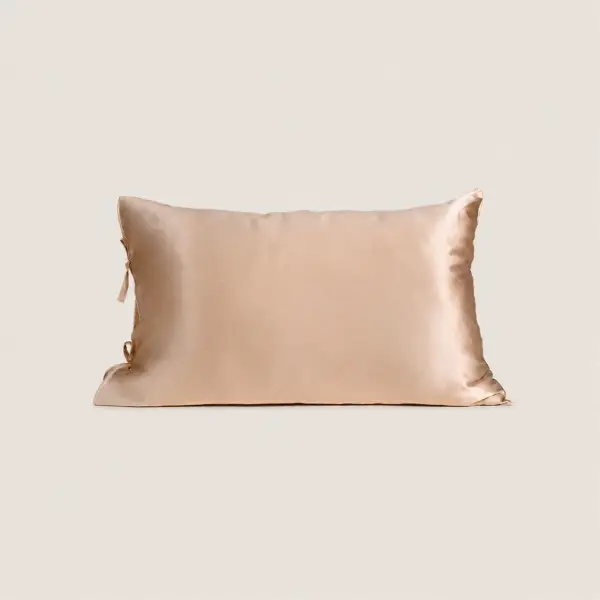
19 or 22 Momme · Ties
Silk Pillowcase with Tie Closure
Silk ribbon ties instead of a hidden flap, for when the closure should be part of how the bed looks.
- 100% Grade 6A mulberry silk
- 19 or 22 momme, no zip
- Nine sizes, 40 x 40 to 80 x 80 cm