


Fibre Guide · Linen in Winter
Is Linen Bedding Good for Winter?
Linen is often associated with summer, but many sleepers enjoy it throughout winter. The key is understanding what linen does well. It does not create warmth like wool. Instead, it manages moisture, reduces clamminess, and works with the right duvet to keep a heated winter bed comfortable throughout the night.
Quick answer
Yes. Linen bedding can work well in a heated bedroom, especially for people who sleep warm. Linen has lower thermal resistance than wool, so it does not provide strong insulation on its own. Its advantage is moisture management. It absorbs and releases water vapour, helping the bed feel dry instead of clammy after sweating. Use a warm duvet for insulation and linen sheets or a linen duvet cover for breathability. In very cold, unheated rooms, linen is not recommended.
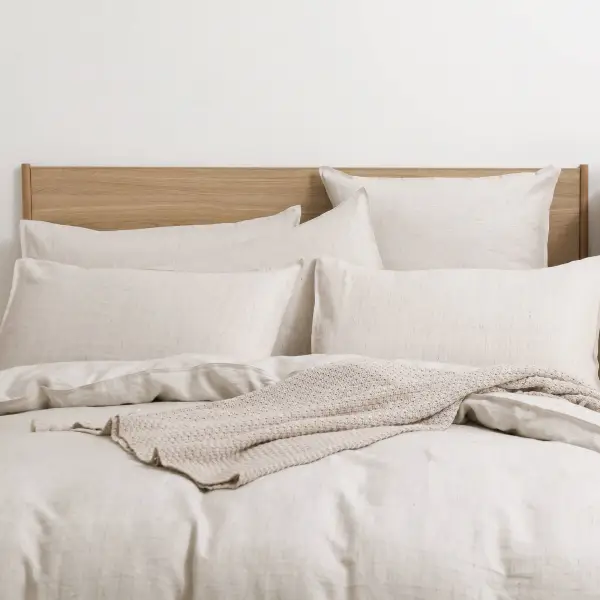
Linen vs Cotton vs Wool for Winter Bedding
| Property | What it means | Linen | Cotton | Wool |
|---|---|---|---|---|
| Dry thermal resistance, Rct (m²·K/W) | How well it keeps heat in.Higher = warmer. | Linen 0.0205 | Cotton 0.010-0.020 | Wool 0.0341 |
| Moisture regain (%) | How much moisture the fibre can absorb.Higher = better at absorbing sweat. | Linen 12 | Cotton 7-8.5 | Wool 13 |
| Water vapour permeability (g/m²/day) | How easily moisture escapes through fabric.Higher = less clammy. | Linen 1419 | Cotton 528 | Wool 1581 |
| Static voltage (V) | Static charge after friction.Lower = less static and less clinging. | Linen 130 | Cotton 335 | Wool 970 |
References
- Comparative Studies on Thermal Comfort Properties of Eri Silk, Mulberry Silk, Wool and Linen Fibres.
- How do sleepwear and bedding fibre types affect sleep quality: A systematic review.
- Does Use Matter? Comparison of Environmental Impacts of Clothing Based on Fiber Type.
- Comparative Testing and Analysis of Flax and Other Fibre Properties.
Are Linen Sheets Warm in Winter?
Linen works well in a heated bedroom. It gives you a dry, breathable, and comfortable feel in bed.
How Linen Bedding Feels in Winter
In winter, most heated bedrooms stay between 18 and 24°C. Many people sweat slightly under the duvet, and moisture can become trapped beneath the sheets. This may leave your skin feeling sticky and damp, then quickly cold.
Linen has relatively low dry thermal resistance, so it does not trap still air for insulation in the way wool can. However, it is good at managing moisture. It absorbs moisture from the skin and releases it into the air, helping the bed feel dry rather than clammy.
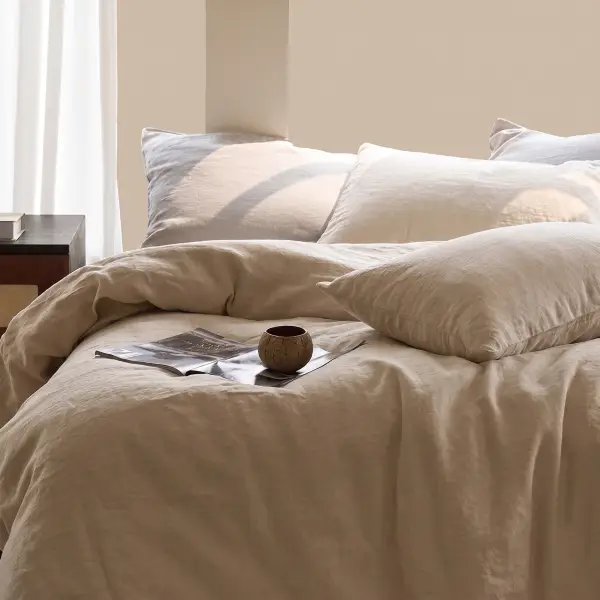
Why Do Linen Sheets Feel Cold at First?
Linen transfers heat quickly. When your warm skin first touches cooler linen, heat moves into the fabric. This creates the cool feeling you notice when you first get into bed.
The effect is temporary. Linen does not actively lower your body temperature. After around 30 to 60 seconds, the fabric warms up and the cool feeling fades. Linen can be a good choice for warm sleepers in heated homes. Pair it with a warmer duvet if you need more insulation.
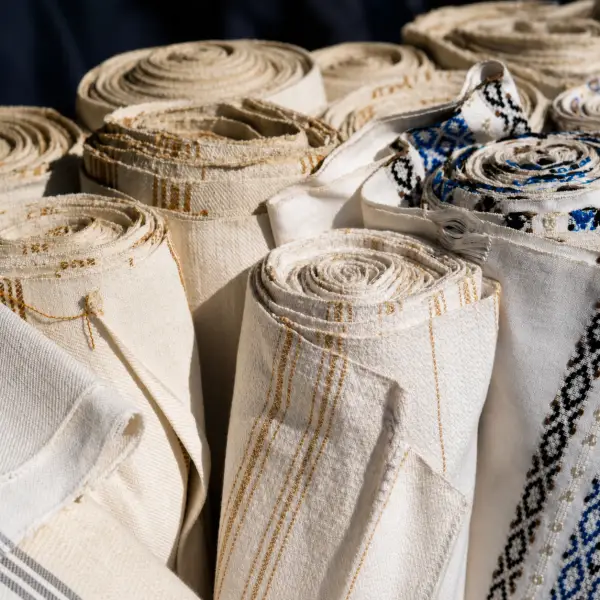
Does Linen Bedding Create Less Static in Winter?
Textiles that build up static can attract dust, which may be uncomfortable for people with allergies or sensitive airways. Tests have found that linen tends to produce less static from friction in air than wool or cotton. It’s less likely to cling to the body in a dry winter bedroom. It also picks up less dust, hair, and lint.
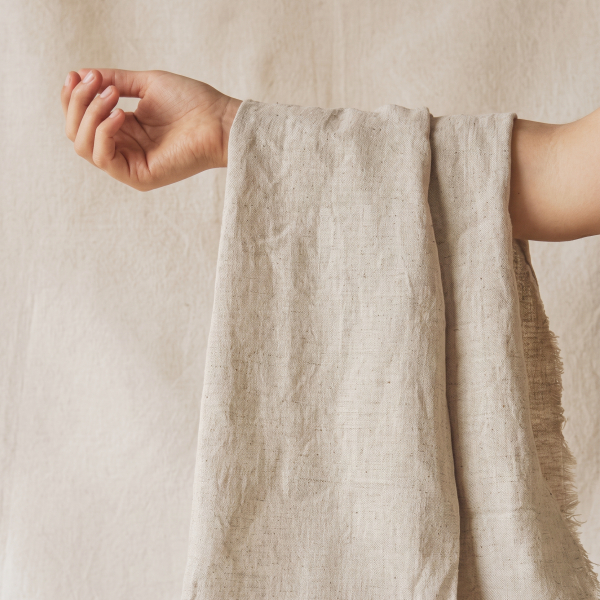
What GSM Linen Is Best for Winter Bedding?
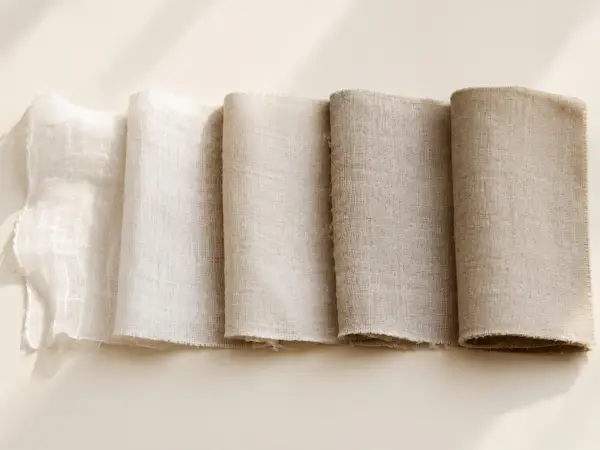
GSM means grams per square metre. It shows how much one square metre of fabric weighs. Higher GSM linen usually feels heavier and lasts longer. Lower GSM linen feels lighter and more breathable, but less substantial over time. Our guide to choosing linen bedding covers GSM, blends and washed finishes.
| Linen weight | Best for | Pros and Cons |
|---|---|---|
| 120-150 GSM | Best for Hot summers and warm bedrooms | Pros and ConsLight and airy with plenty of breathability.Thinner but not suitable for regular use. |
| 175-190 GSM | Best for Year round use and heated winter bedrooms | Pros and ConsA balanced weight and more substantial.A good choice for everyday bedding. |
| 200 + GSM | Best for People who prefer a fuller and heavier feel | Pros and ConsDenser and more structured, with a heavier feel.Less airy than lighter linen. |
Sensoire linen is woven at 180 GSM, a denser cloth than most linen bedding. It keeps its drape through machine washing and grows softer rather than thinner.
Who Should Use Linen Bedding in Winter?
Linen bedding is comfortable in winter if you...
- Heated bedroom with a steady temperature
- Warm sleeper or prone to night sweats
- Damp winters and clammy bedding
- Different sleep temperatures for two people
- Relaxed, airy linen for year round use
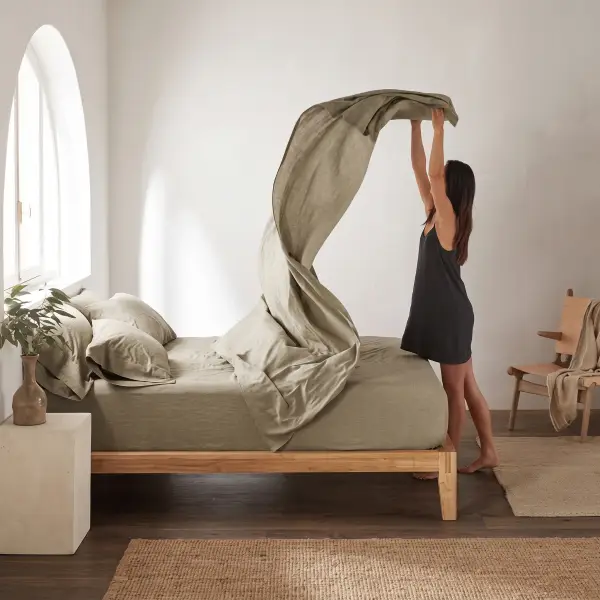
Sensoire uses premium long staple linen yarn. It has fewer loose fibres and a smoother feel. It doesn’t need harsh mechanical treatment or enzyme washing to soften it.
A gentle water wash with a small amount of softener is enough to remove impurities while keeping its natural structure and texture.
When Is Linen Bedding Not the Best Choice for Winter?
Linen may not be the best winter choice for everyone.
Sleep in a very cold room
If your bedroom has no heating, stays very cold, or you often have cold hands and feet, choose brushed cotton or flannel with a warmer feel right away.
Sensitive to fabric texture
Untreated linen has a noticeable texture and may feel slightly rough against the skin. Look for prewashed linen, and touch the fabric before buying if possible.
Prefer a smooth, wrinkle free bed
Linen wrinkles more easily than many fabrics. Its natural creases are part of its look. If you prefer a smooth, polished feel, silk bedding may suit you better.
How to Layer Linen Bedding in Winter
A comfortable winter bed depends on the whole setup.
-
01. Choose the Right Duvet for Linen Bedding in Winter
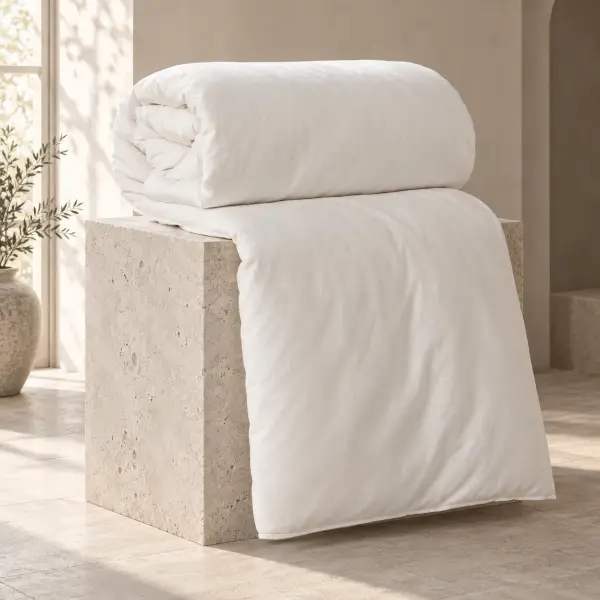
The duvet insert provides most of the warmth in your bed. In winter, pair a linen duvet cover with a mulberry silk or down duvet, or choose another winter weight insert that suits your local climate.
For help choosing between silk and down, read our detailed duvet guide.
-
02. Add a Blanket to Make Linen Bedding Warmer
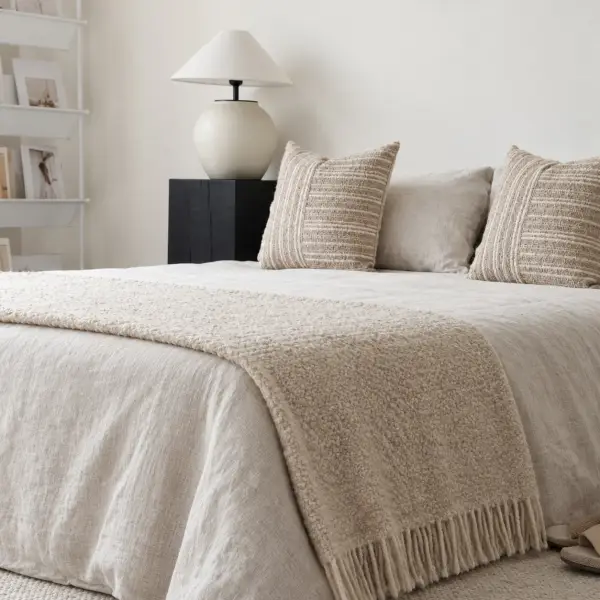
Rather than using one very heavy duvet, add a wool blanket, knitted throw, or other warm layer at the foot of the bed.
Pull it up when you feel cold, then fold it back when you get too warm. This makes it easier to adjust your comfort through the night. It also works well for couples who prefer different sleeping temperatures.
-
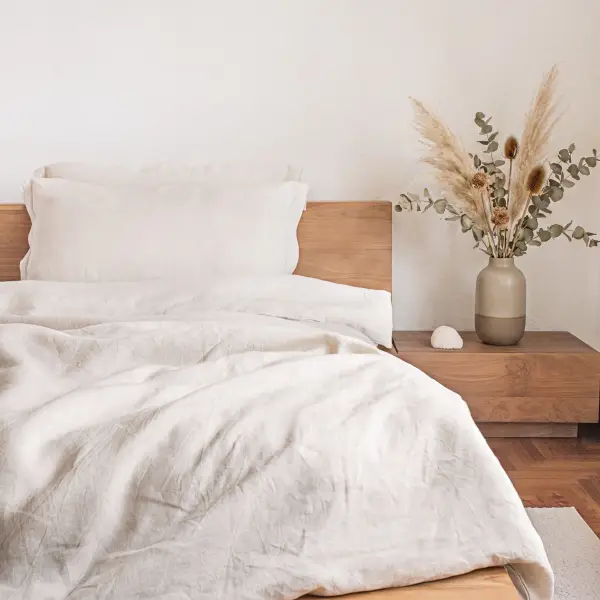
03. Insulate Linen Sheets from Below
In rooms without underfloor heating, cold may come from the mattress or bed frame, not the sheets. Add a mattress protector or thin cotton pad beneath your linen fitted sheet for extra insulation without losing linen’s dry feel.
-
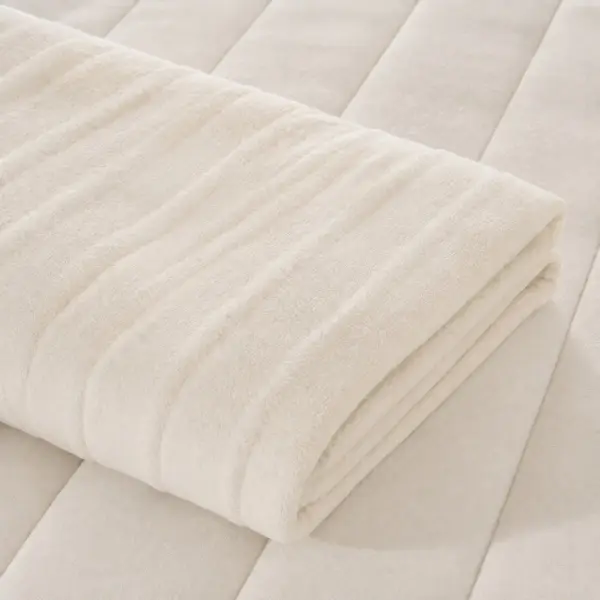
04. Warm Sheets Before Bed
If linen feels cool at first touch, warm the room before bed or use an electric blanket on a low setting. Follow the manufacturer’s safety instructions, and never use it with damp bedding.
How to Choose Winter Linen Bedding
Do not choose based on terms such as “French linen” or “European linen” alone. Where the flax is grown, spun, and woven also differ. The finished fabric matters most.
For winter use, consider the following:
- Slightly heavier linen with a tighter weave for added warmth
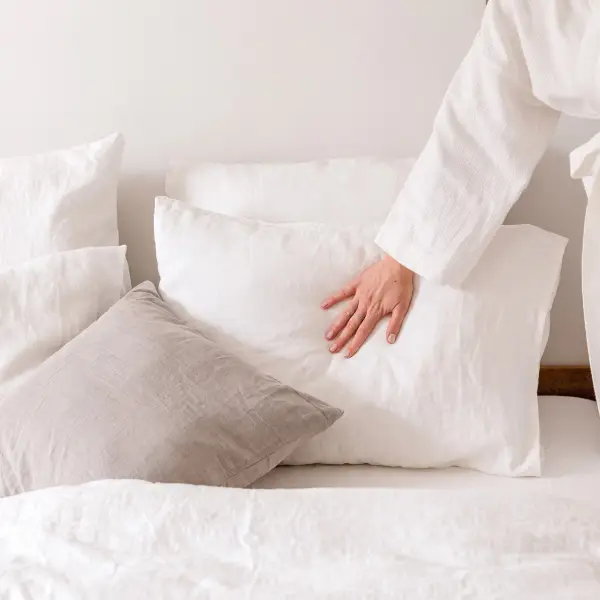
- Prewashed or softened linen feels gentler from the first use.
- A duvet cover that fits the insert securely to prevent shifting and bunching
- If you are sensitive to texture, check the return policy first or consider a linen and cotton blend.
Frequently Asked Questions About Linen Bedding in Winter
Are Linen Sheets Warm Enough for Winter?
Linen sheets can be comfortable in a heated winter bedroom, but they do not provide strong insulation on their own. Pair them with a suitable winter duvet, which supplies most of the warmth.
What GSM Linen Is Best for Winter?
180-190 GSM offers a useful balance of substance, durability, and breathability. Fabric weight is not the only factor, however. Weave density, yarn quality, and finishing also affect how warm the linen feels.
Why Do Linen Sheets Feel Cold at First?
Linen transfers heat quickly from your warm skin into the cooler fabric. This creates a brief cool sensation. The feeling normally fades as the sheets warm to your body temperature.
Should I Switch from Linen to Flannel in Winter?
Not necessarily. Linen suits heated bedrooms, warm sleepers, and people who sweat at night. Flannel may be more comfortable if your bedroom is unheated or you prefer an immediately warm and fuzzy surface.
Can Old Linen Sheets Still Be Used in Winter?
Yes, provided the fabric remains intact, comfortable, and sufficiently substantial. Linen that has become very thin may feel less suitable in cold weather, but it can still be paired with a warm duvet and additional layers.
From the Collection

180 GSM · Masters of FLAX FIBRE™
One duvet cover and two pillowcases in washed linen, closed with inner corner ties and buttons.
135 × 200 to 260 × 240 cm · Seven colours · OEKO-TEX

180 GSM · Deep Pocket
One fitted sheet and two pillowcases, with deep elasticated corners for mattresses up to 40 cm.
140 to 200 × 200 cm · Seven colours · OEKO-TEX
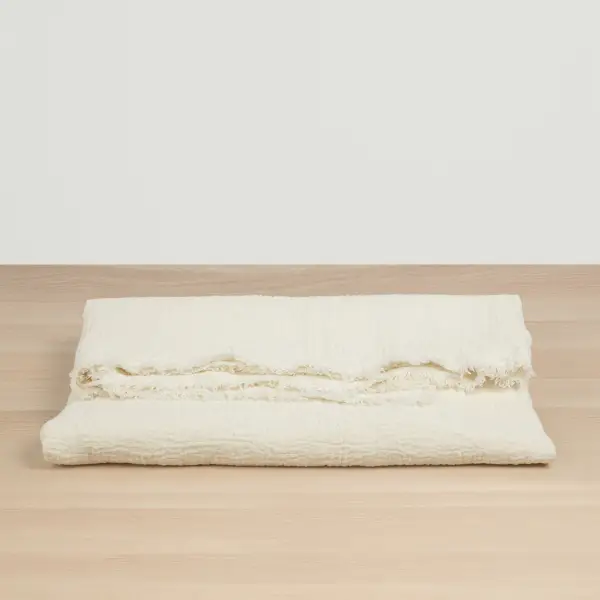
400 GSM · Fringed Ends
Two layers of washed French flax linen, to pull up over the bed when the night turns cold.
150 × 200 to 220 × 240 cm · Ivory or Natural · OEKO-TEX

Grade 6A Silk Fill · Cotton Shell
Box-Quilted Mulberry Silk Duvet
Long-strand mulberry silk fill in a cotton sateen shell, box-quilted to keep the fill even.
Summer 180 to Winter 500 g/m² · 135 × 200 to 260 × 240 cm