


Skin Guide · Silk Pillowcases
Silk Pillowcases for Skin: What It Helps and What It Cannot Do
If you wake up with pillow marks, tight skin, or skincare on your bedding, your pillowcase may be part of the problem. Silk feels smoother against the face and absorbs less liquid than cotton, making it more comfortable for dry, sensitive, or easily irritated skin. This guide explains what silk pillowcases can realistically do, what the evidence supports, and which claims go too far.
Quick answer: A silk pillowcase offers a smoother, lower friction surface that may reduce irritation, temporary sleep creases, and skincare transfer onto bedding. It suits sensitive or acne prone skin, but it can’t treat acne, reverse ageing, or permanently prevent wrinkles. Its main benefits come from the fabric’s physical properties, not from active skincare effects.
Are silk pillowcases good for skin?
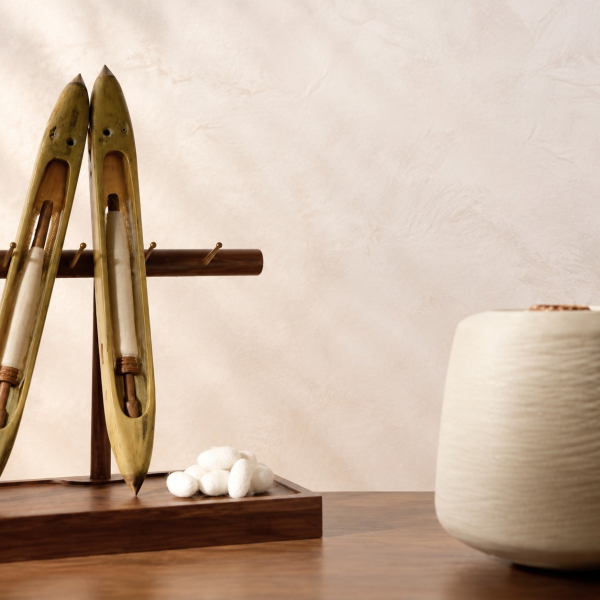
Silk is kind to skin thanks to low friction, reliable moisture management and good breathability. These benefits stem mainly from physical properties of the fabric, not active skincare ingredients. Made of smooth continuous filaments, silk creates less friction against your face and pulls fewer topical lotions away from the skin surface compared with cotton.
Experiments have confirmed that silk performs better for sensitive skin and infants when compared to alternative fabrics. Detailed benefits are presented in the following sections.
Do silk pillowcases reduce friction and sleep creases?
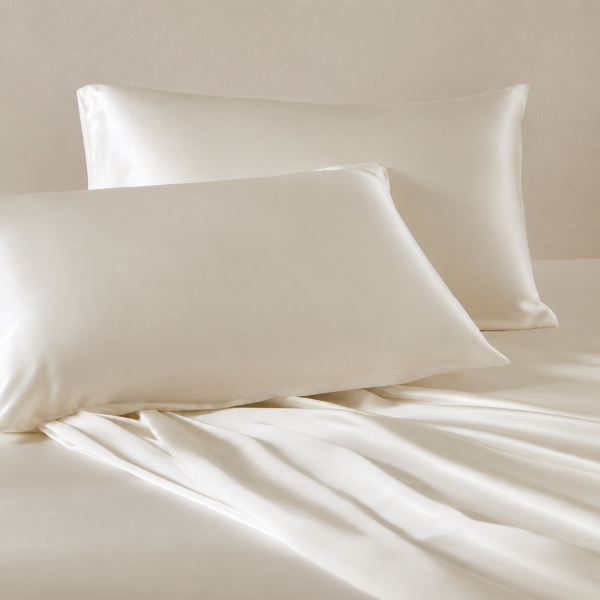
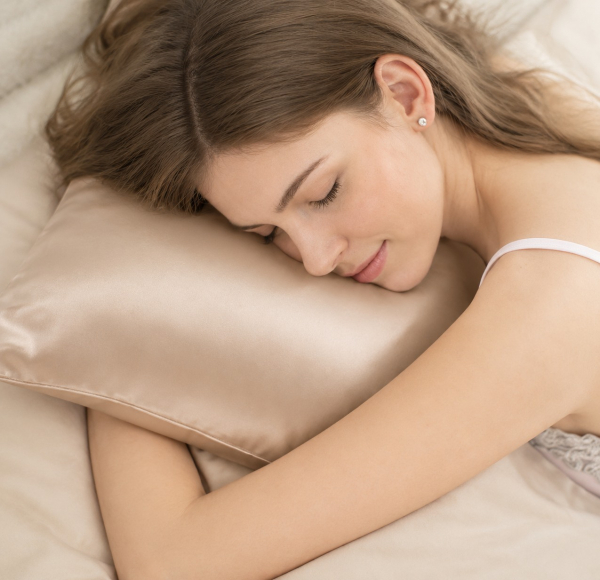
Silk has an exceptionally smooth surface, giving it a softer feel against the skin. During sleep, a silk pillowcase allows the face to move more freely across its surface, helping to reduce frictional discomfort and sleep creases, particularly for side and stomach sleepers.
Figure 1
Dynamic Friction Coefficient of Fabrics
According to the study, silk achieved the lowest reading of 0.19. By comparison, cotton reached 0.31 and polyester 0.35. The gap between silk and the other two textiles was statistically significant. There was less than a 1% chance that the measured difference occurred randomly. But claims that silk pillowcases reverse ageing or permanently prevent wrinkles haven’t been proved.
Do Silk Pillowcases Absorb Skincare Products and Moisture?
For people who apply skincare before bed, silk has one clear advantage. It absorbs less liquid. More of your moisturiser can stay on your skin. It’s a common misconception that silk helps skincare actives penetrate the skin.
A laboratory test compared the absorption of equal sized water droplets by 100% mulberry silk and other materials. The results suggest that silk naturally resists the spreading and penetration of small water droplets, while cotton is more readily wetted by direct contact with water.
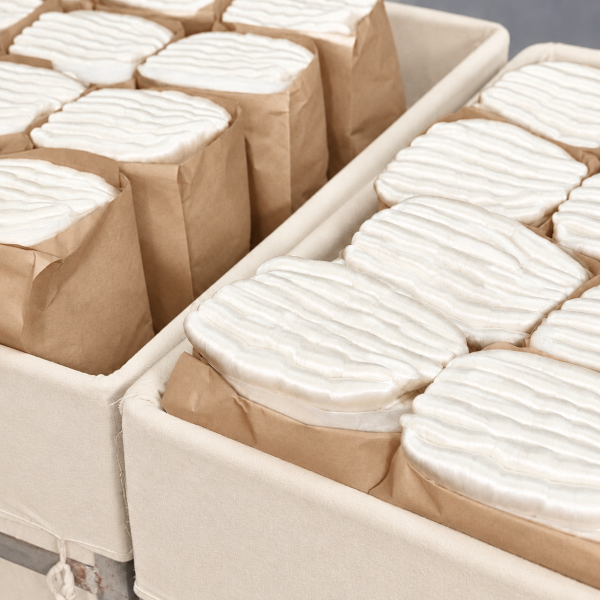
Silk’s high moisture regain does not contradict these findings. Moisture regain measures how well a fibre absorbs water vapour from humid air, not how readily it absorbs liquid water, moisturiser, or serum. As temperature rises, the body releases sweat and humidity around the skin increases. Silk will absorb extra water vapour. When the air becomes drier, it releases moisture again, which helps the skin feel less dry.
Do silk pillowcases help with acne?
Silk pillowcases benefit acne-prone skin by reducing friction and irritation, but they are not proved to cure acne completely.
| Silk Property | Benefits for acne |
|---|---|
| Low friction surface | Benefits for acneReduces friction irritation and rubbing on blemishes |
| Weak liquid wicking | Benefits for acneRetains topical acne treatments on skin |
| Continuous filament structure | Benefits for acneLess debris trapped, fewer bacteria nutrients |
| High moisture regain | Benefits for acneBalances skin hydration, helps skin feel comfortable |
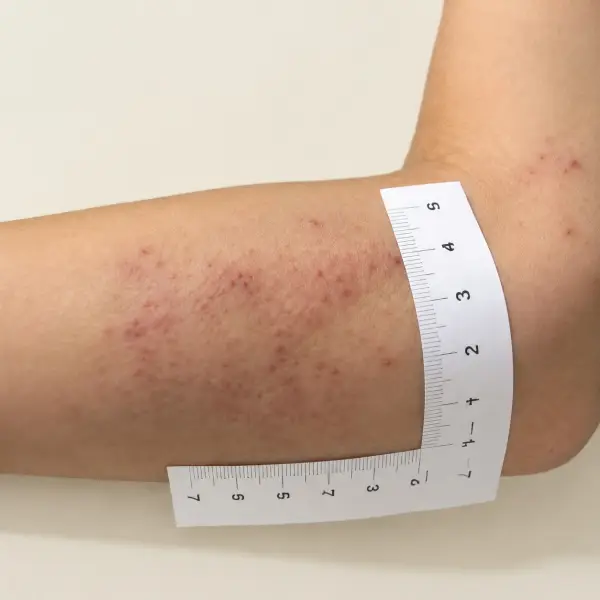
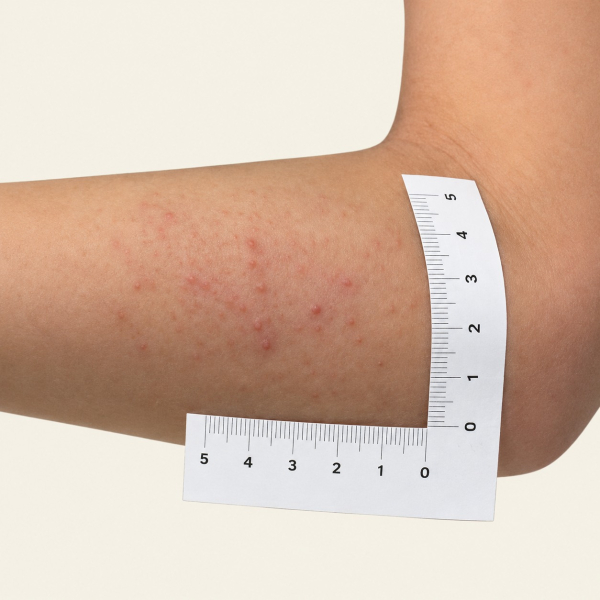
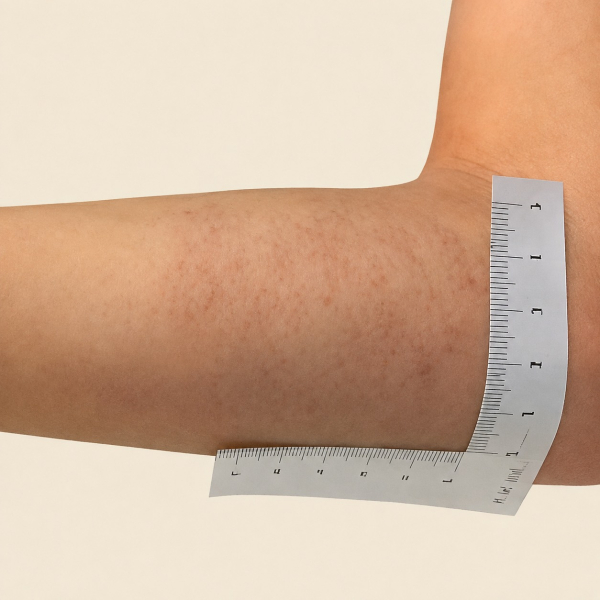
Acne is a common skin concern caused by clogged pores and bacterial growth. Acne-prone skin is often more sensitive and easily irritated by friction and other external factors. In a 2019 study, 30 patients with atopic dermatitis (eczema) wore pure silk clothing daily for eight weeks. The results showed that pure silk improved the appearance of their skin, increased comfort, and significantly improved their quality of life without the use of medication.
Are silk pillowcases suitable for sensitive or reactive skin?
People with sensitive skin are recommended to opt for soft, breathable natural fabrics. Silk offers a gentle alternative. But those allergic to animal protein fibres should avoid it.
Low friction and physical irritation
Rough fabrics and some synthetic materials can rub against the skin barrier and cause redness. Silk creates less mechanical friction against the skin.

Breathability and a comfortable sleep environment
Silk absorbs moisture and allows it to evaporate, helping the skin feel dry and comfortable. This helps reduce the redness and itching associated with hot, humid conditions and create a more comfortable environment for sensitive skin.
Silk vs satin vs cotton for skin
Satin is not a type of fibre, but a weaving method. Fabrics woven in satin have a shine like silk. They are usually made from polyester and nylon.
| Measure | Silk | Cotton | Polyester |
|---|---|---|---|
| Surface friction, MIU | Silk0.28 | Cotton0.41 | Polyester0.45 |
| Air permeability | Silk210 mm/s | Cotton265 mm/s | Polyester195 mm/s |
| Thickness | Silk0.23mm | Cotton0.27mm | Polyester0.25mm |
| One-Way Transport Index (OWTI) | Silk0.82 | Cotton0.56 | Polyester0.67 |
| Average rash score | Silk0.4 | Cotton1.3 | Polyester2.0 |
| Trans epidermal Water Loss (TEWL) | Silk-12.8% | Cotton-2.3% | Polyester+8.6% |
| Caregiver satisfaction | Silk90% | Cotton60% | Polyester30% |
In the study, 30 healthy infants were divided into three groups and wore silk, polyester, or cotton clothing for 14 days. Infants wearing silk experienced greater skin comfort, significantly less peeling, and higher caregiver satisfaction. The findings suggest that silk can reduce skin friction and improve skin safety, making it a worthwhile choice for delicate skin.
How to choose a silk pillowcase for skin
- Momme:Measures silk weight and density. Around 19 to 25 momme offers a good balance of softness and durability for pillowcases.
- Grade 6A:Indicates high quality mulberry silk with long, uniform fibres. Check whether the claim is supported.
- OEKO-TEX Standard 100:Confirms the finished product has been tested for regulated harmful substances. It does not verify silk quality or authenticity.
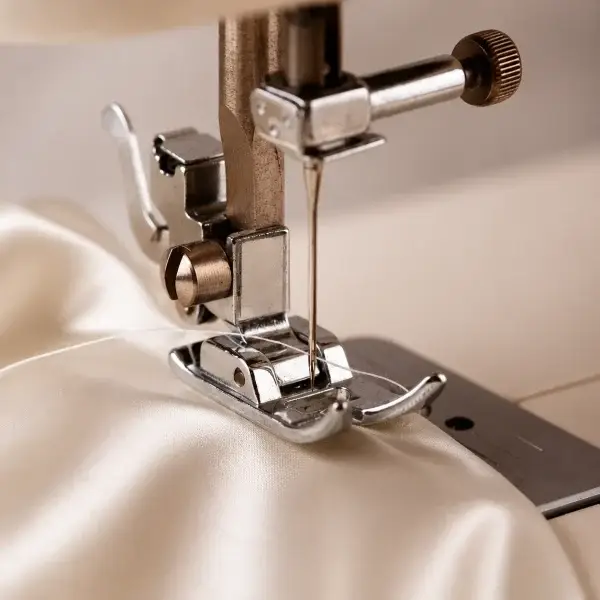
Sensoire silk pillowcases are made from 100% Grade 6A mulberry silk in 19 or 22 momme and are certified to OEKO-TEX Standard 100.
How often to wash silk pillowcases
Aim to wash your pillowcase at least once a week. If you have oily skin, sweat at night, or use rich skincare products before bed, wash it every two to three days.
How to wash silk pillowcases
- Check the care label before washing.
- Hand wash in cool or lukewarm water below 30°C.
- Use a small amount of mild, pH neutral detergent made for silk.
- Soak for five to ten minutes and move the fabric gently without rubbing.
- Rinse thoroughly, then press out the water without twisting or wringing.
- Lay flat or line dry in the shade. Avoid tumble drying, radiators, and direct sunlight.
FAQs about Silk pillowcases
What does a silk pillowcase do for skin?
It provides a smoother, lower friction surface and absorbs less liquid than cotton. This helps reduce frictional discomfort, temporary sleep creases, and the transfer of skincare onto bedding, but silk does not act like an active skincare treatment.
Do silk pillowcases help with acne?
A silk pillowcase can reduce rubbing and irritation and remove less topical treatment from the skin. However, it has not been proven to cure acne and should not replace an appropriate skincare or medical treatment plan.
Can silk pillowcases prevent wrinkles?
Silk helps reduce temporary sleep creases by lowering friction as the face moves against the pillow. There is no evidence that a silk pillowcase reverses ageing or permanently prevents wrinkles.
Are silk pillowcases suitable for sensitive skin?
Silk’s smooth, breathable surface feels gentler on sensitive and reactive skin. People who are allergic to animal protein fibres should avoid silk or seek professional advice before using it.
How often should you wash a silk pillowcase?
Wash it at least once a week. If you have oily skin, sweat at night, or apply rich skincare before bed, wash it every two to three days and follow the care label.
From the Collection

19 or 22 Momme · Envelope
100% Pure Mulberry Silk Pillowcase
The everyday case, in either weight. A hidden envelope flap keeps the pillow tucked with no hardware near your face.
- 100% Grade 6A mulberry silk
- 19 or 22 momme, envelope closure
- OEKO-TEX Standard 100
22 Momme · Piped
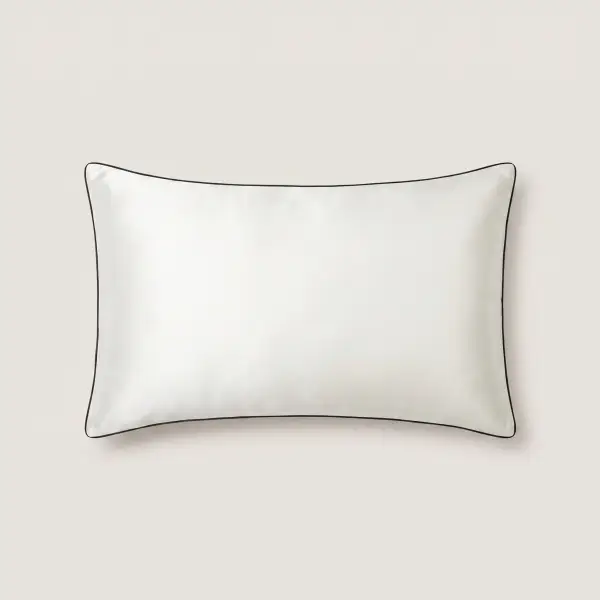
22 Momme Silk Pillowcase with Piping
The heavier weight with a piped edge, which gives the seam a defined finish and a charmeuse face on the sleeping side.
- 100% Grade 6A mulberry silk
- 22 momme, envelope closure
- Nine sizes, 40 x 40 to 80 x 80 cm

22 Momme · Oxford
Pure Silk Pillowcase with Oxford Flange
A flat contrast border around the case, with the envelope closure hidden behind it and nothing to catch.
- 100% Grade 6A mulberry silk
- 22 momme, contrast Oxford flange
- OEKO-TEX Standard 100
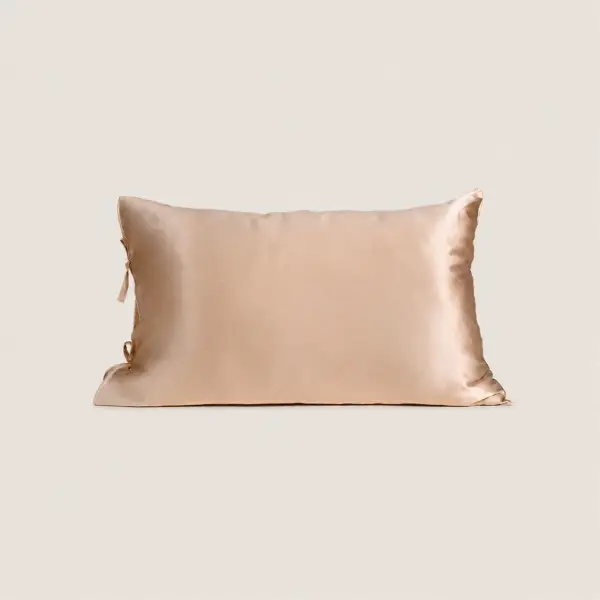
19 or 22 Momme · Ties
Silk Pillowcase with Tie Closure
Silk ribbon ties instead of a hidden flap, for when the closure should be part of how the bed looks.
- 100% Grade 6A mulberry silk
- 19 or 22 momme, no zip
- Nine sizes, 40 x 40 to 80 x 80 cm