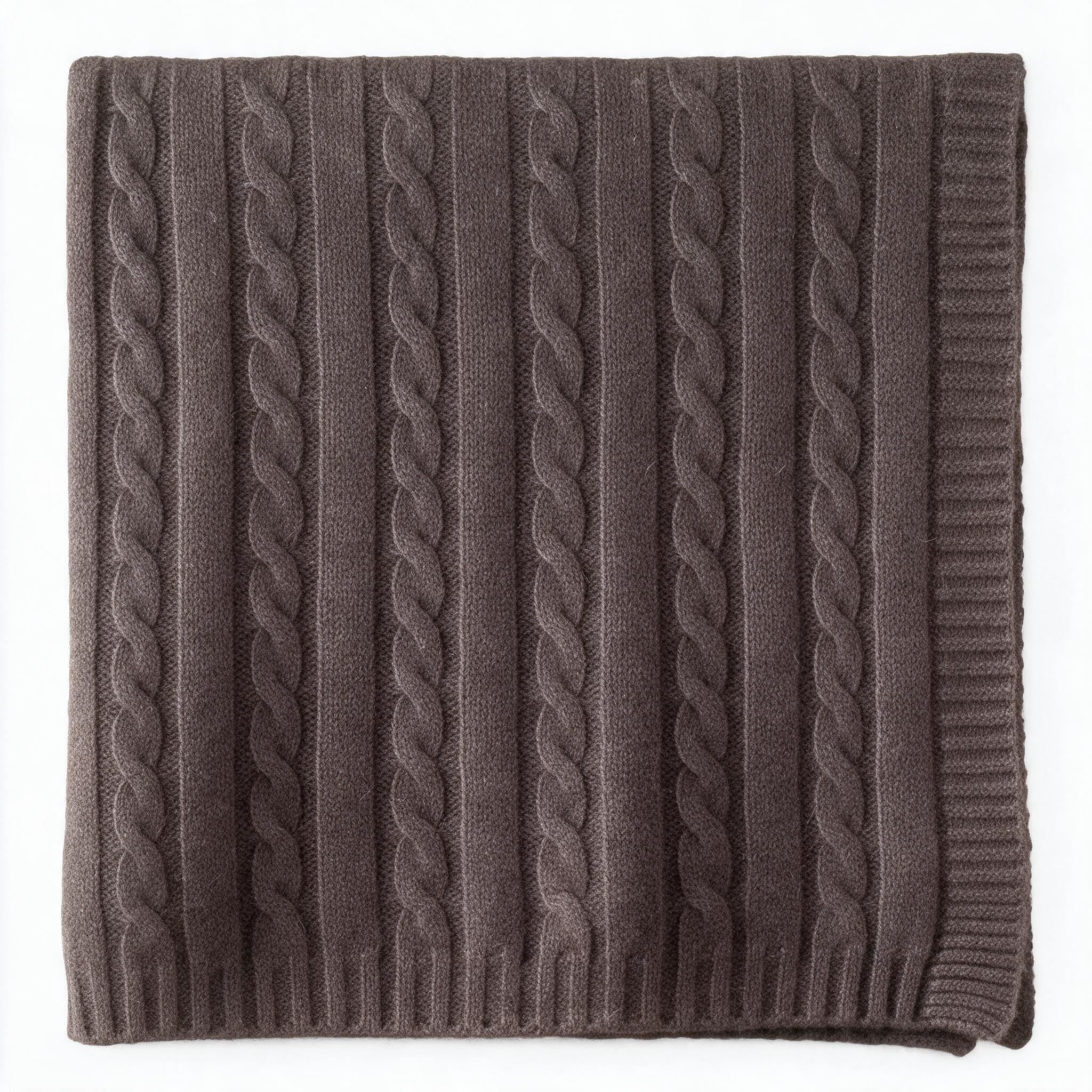
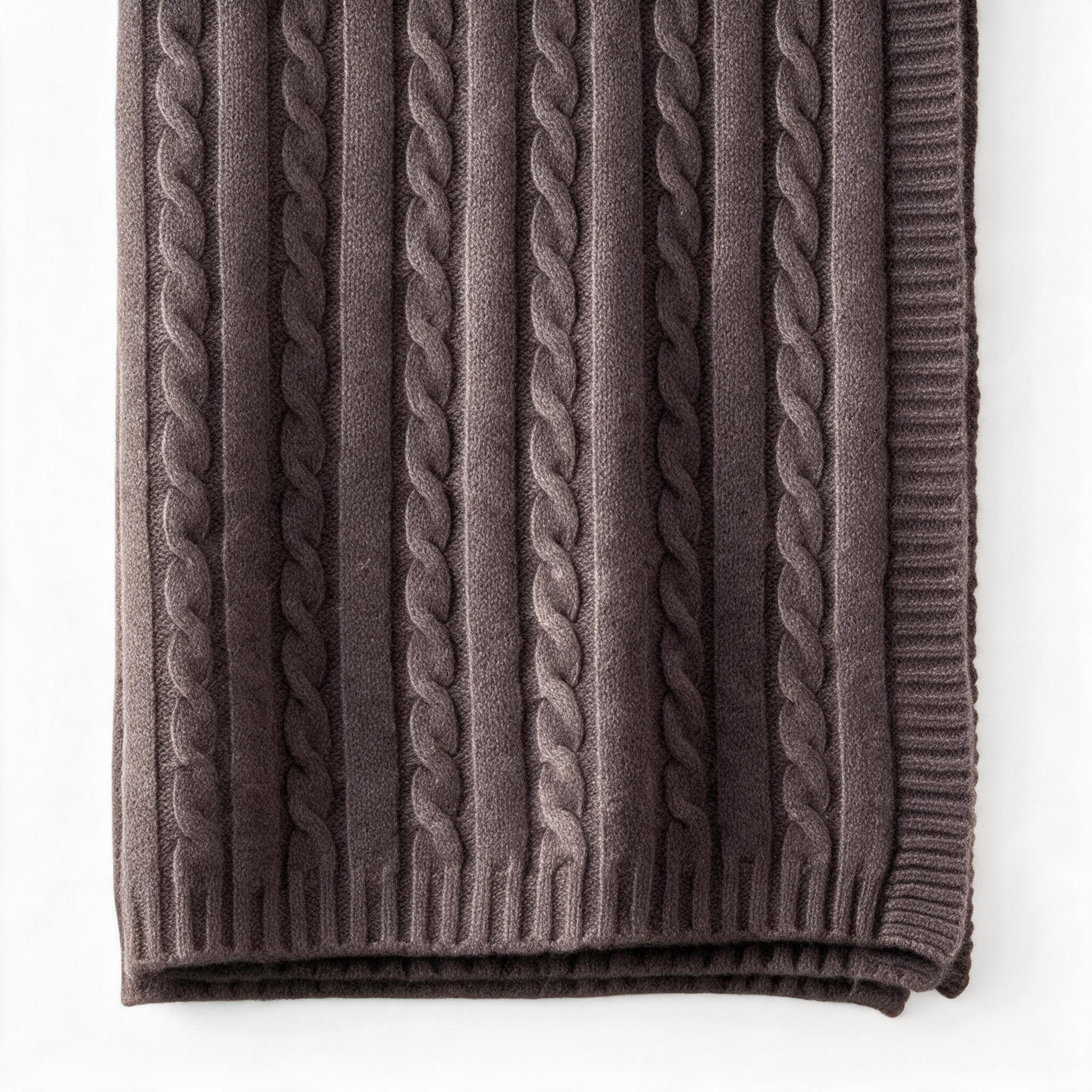
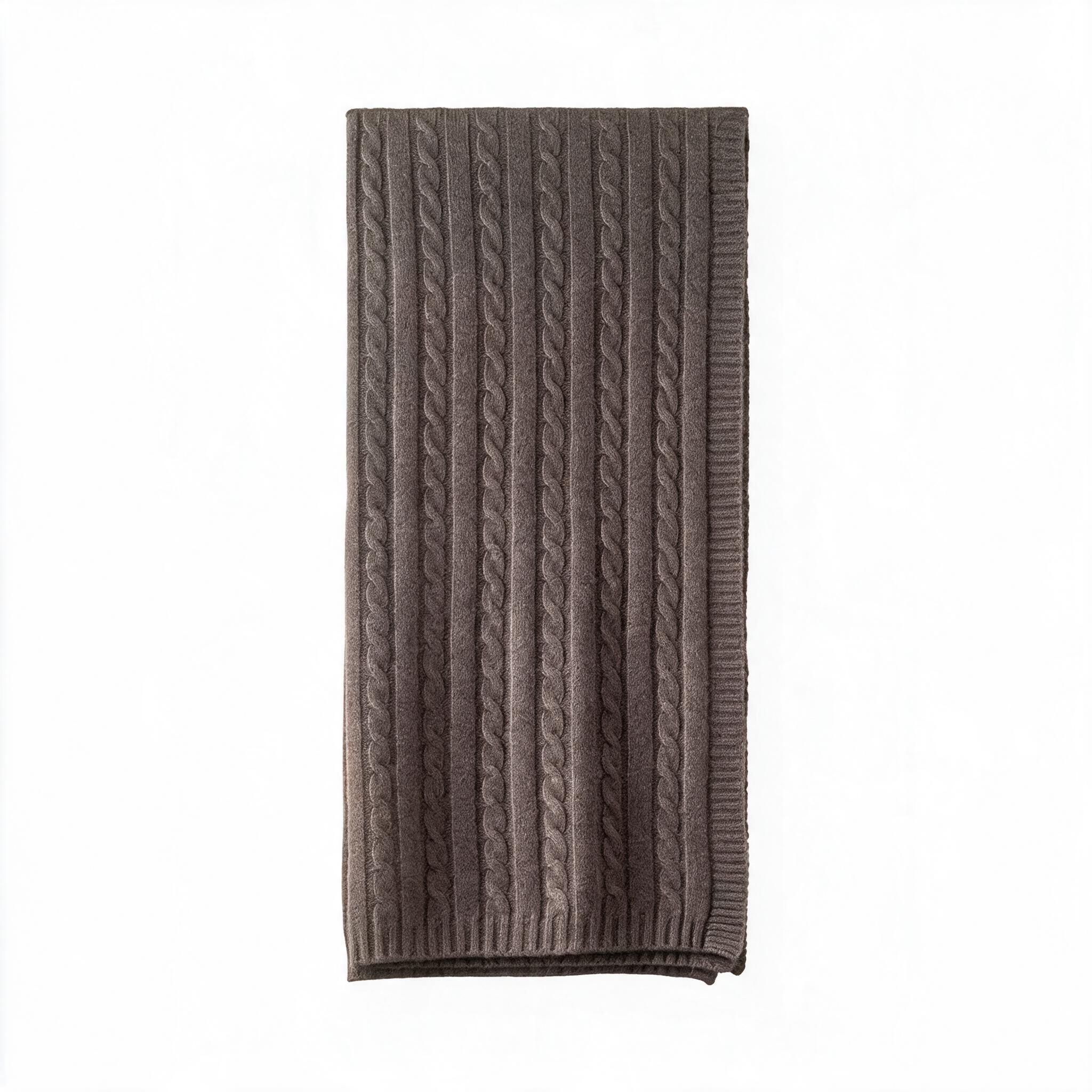

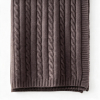
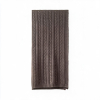

Plaid in cashmere a trecce · 90 × 180 cm

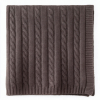
Un plaid a trecce in 100% cashmere della Mongolia Interna, 90 × 180 cm. Il filato a quattro capi è lavorato a trecce profonde e in rilievo: morbido, leggero e caldo con discrezione. In Avena, Cioccolato o Grigio medio.

€ 399

- +
Pagamento sicuro Apple Pay GPay PayPal Visa Mastercard American Express Klarna

Spedizione gratuita per ordini oltre 89 euro

  • Garanzia di rimborso senza rischi
  • Resi facili e assistenza
  • Pagamenti sicuri
01Dettagli +−

Un plaid lavorato in 100% cashmere della Mongolia Interna, dalla capra bianca di Hanshan, nella zona di Chifeng. Con i suoi 90 × 180 cm è pensato per una persona: sulle spalle sul divano, piegato ai piedi del letto o portato sulla poltrona di lettura.

  • 100% cashmere della Mongolia Interna
  • Filato di cashmere a quattro capi
  • Trecce con bordi a costine
  • 90 × 180 cm
  • Maglia da 720 a 1500 g/m²
  • Avena, Cioccolato o Grigio medio
02La maglia +−

Quattro capi di cashmere vengono ritorti in un unico filato e poi lavorati a trecce profonde e in rilievo. Il risultato ha corpo e un peso piacevole, ma resta abbastanza leggero da passare da una stanza all'altra.

Il cashmere è una fibra naturale finissima, per questo la superficie risulta morbida e leggermente vellutata sulla pelle. La maglia è lavorata da 720 a 1500 g/m² e ha quindi corpo; il peso esatto di ogni plaid varia inoltre leggermente con la tintura, il lotto e l'umidità.

03Cura +−

Lavare a mano in acqua fredda con un detersivo delicato per lana, oppure a secco. Non strizzare, non candeggiare, non asciugare in asciugatrice. Tamponare l'acqua con un asciugamano e asciugare in piano, lontano da fonti di calore dirette e dal sole.

Conservare piegato, non appeso. Un leggero pilling è naturale nel cashmere nelle prime settimane; rimuoverlo delicatamente con un pettine per cashmere.

Dettagli curati · Calore naturale

Il plaid in cashmere

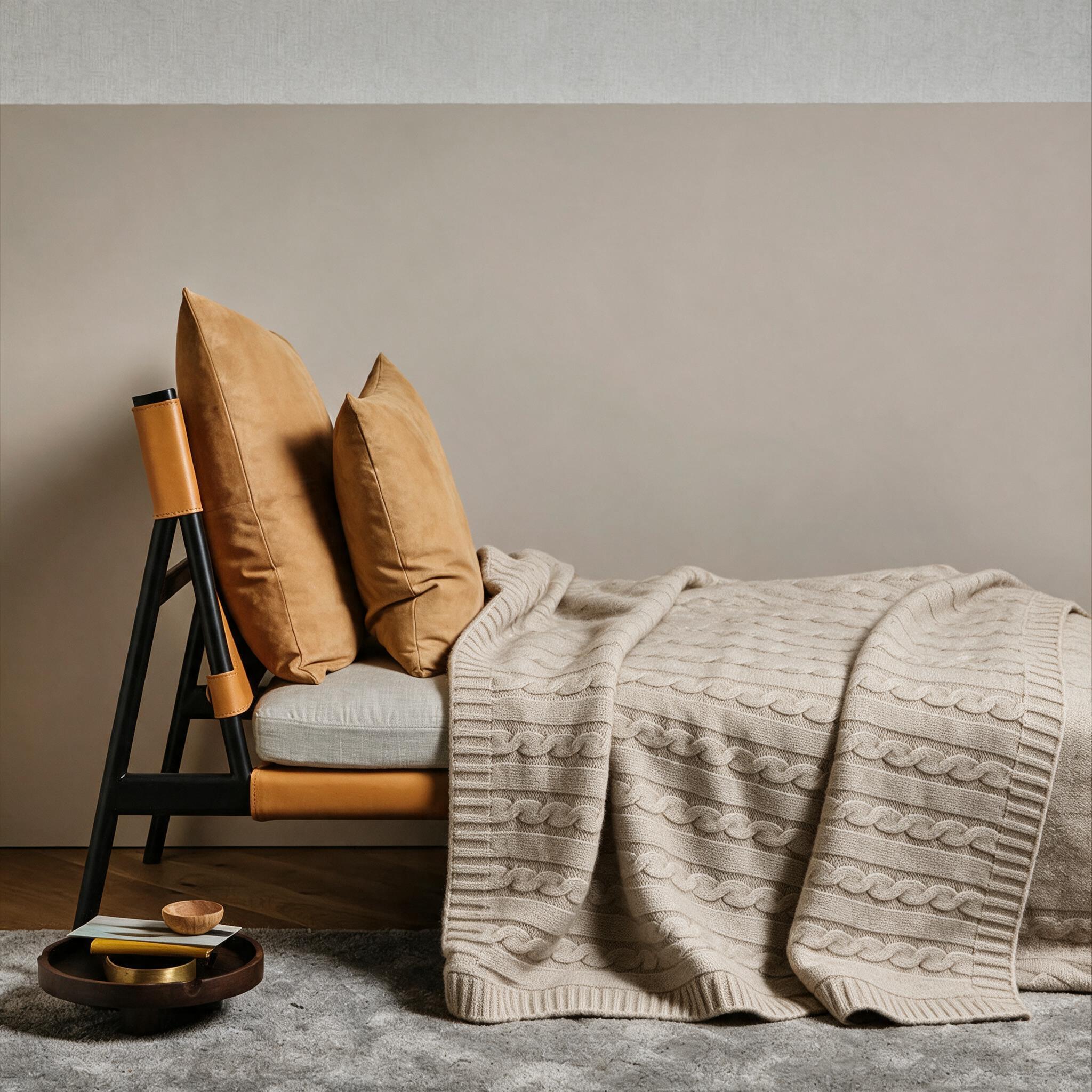
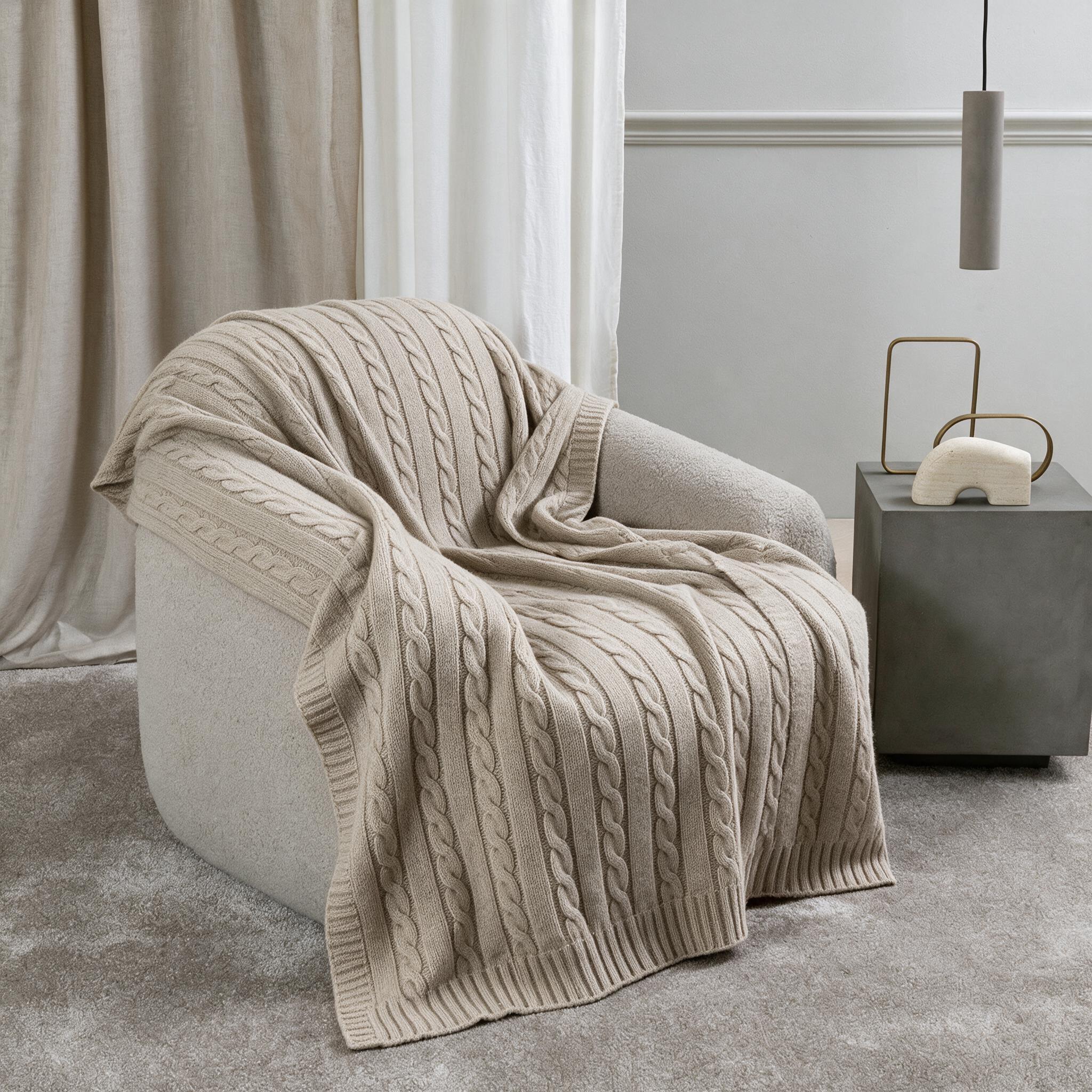
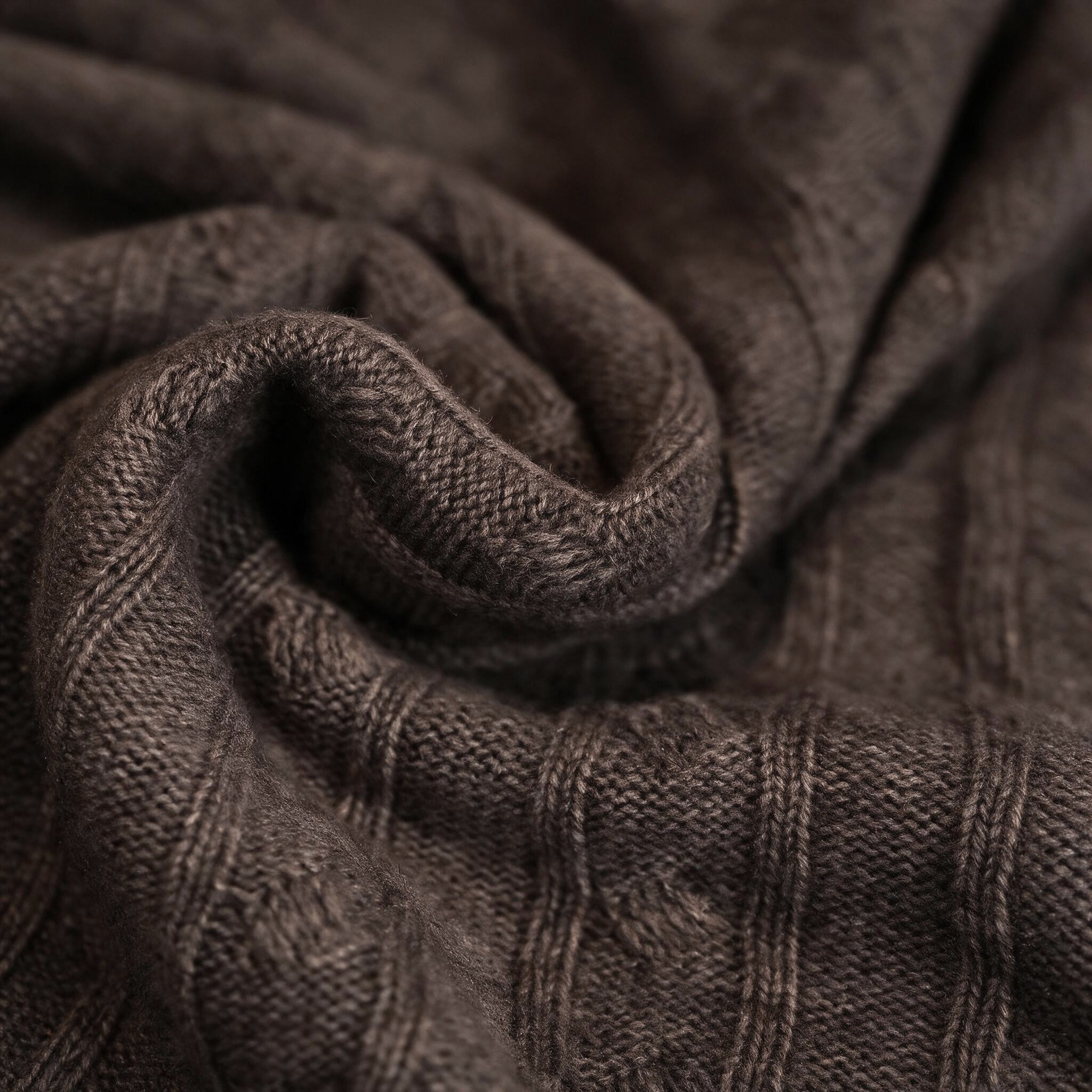
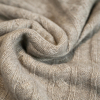
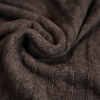
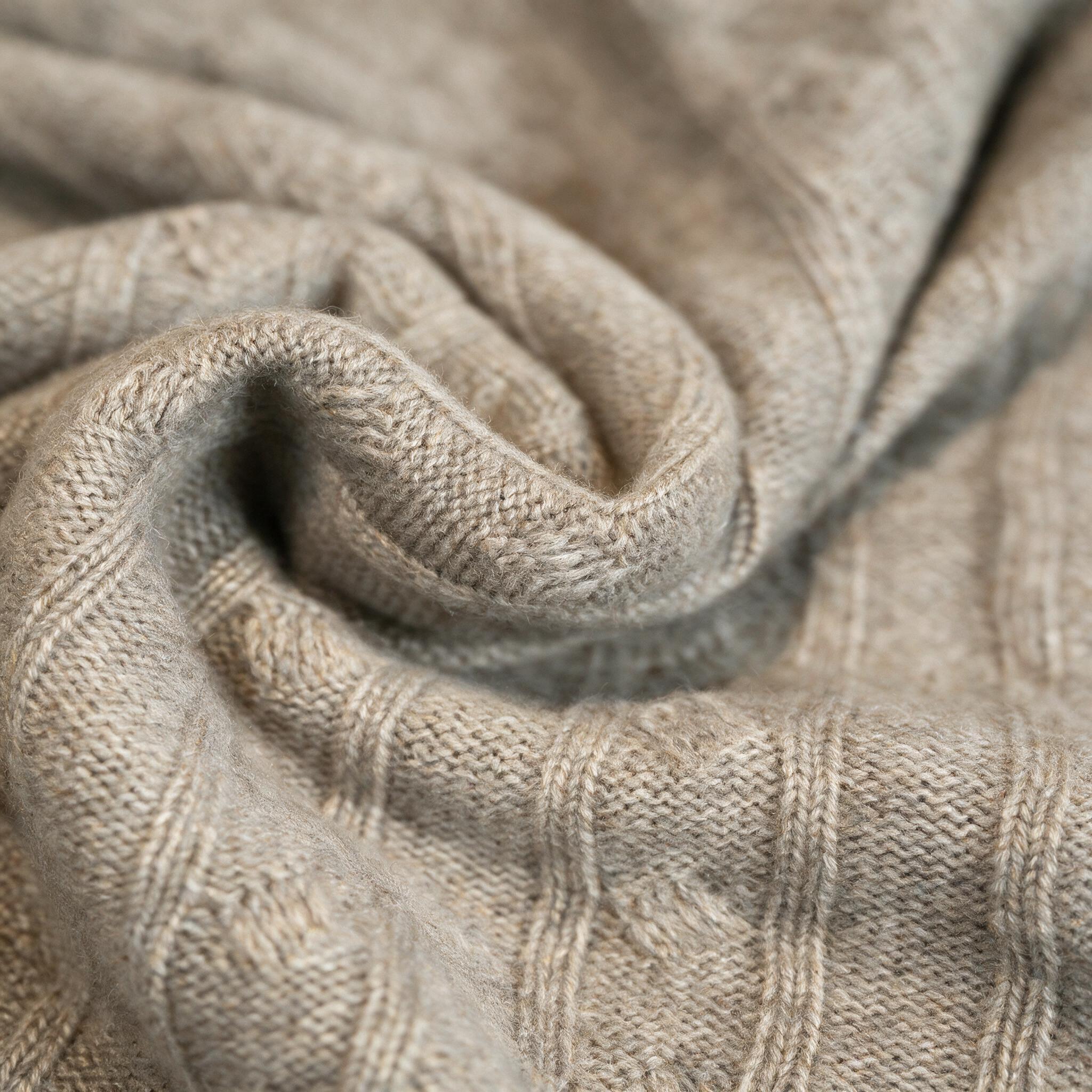
Pieghe morbide di cashmere avena che mostrano la trama fine della maglia

100% cashmere della Mongolia Interna

Dalla capra bianca di Hanshan

Il nostro cashmere viene dalla capra bianca di Hanshan, allevata nelle praterie intorno a Chifeng, nella Mongolia Interna. Nei mesi freddi le capre sviluppano sotto il pelo esterno un sottovello fine e fitto, ed è quella la fibra che usiamo. È cashmere bianco, il più pregiato tra le tonalità naturali, perché accoglie qualsiasi colore con nitidezza.

Poiché ogni fibra è così fine e trattiene aria ferma, il cashmere offre circa tre volte il calore della lana di pecora a parità di peso, e risulta leggero e morbido sulla pelle. Nessun'altra fibra è mescolata: il plaid è 100% cashmere.

100% cashmere Mongolia Interna Tre volte il calore della lana

Trecce a quattro capi

Lavorato in rilievo

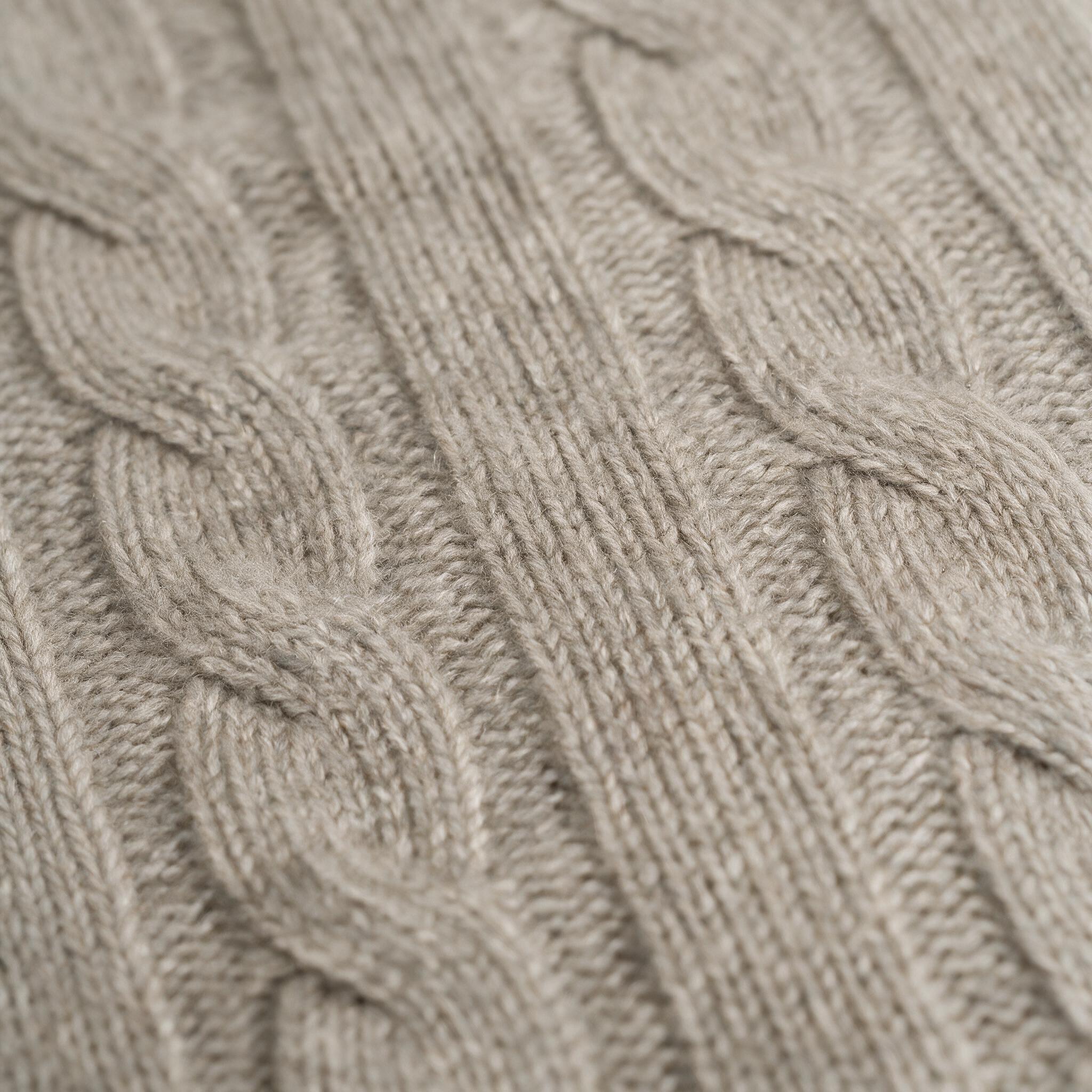
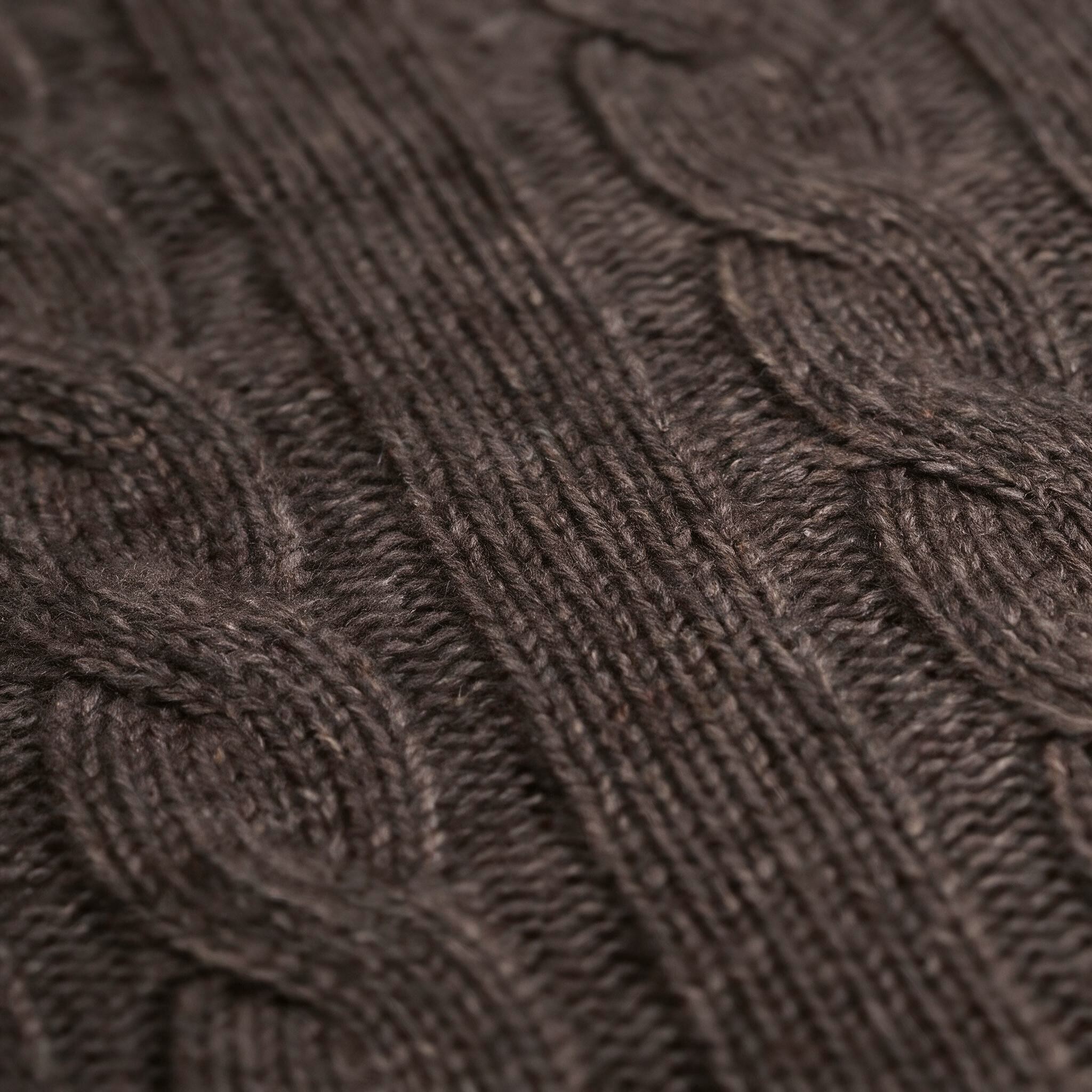
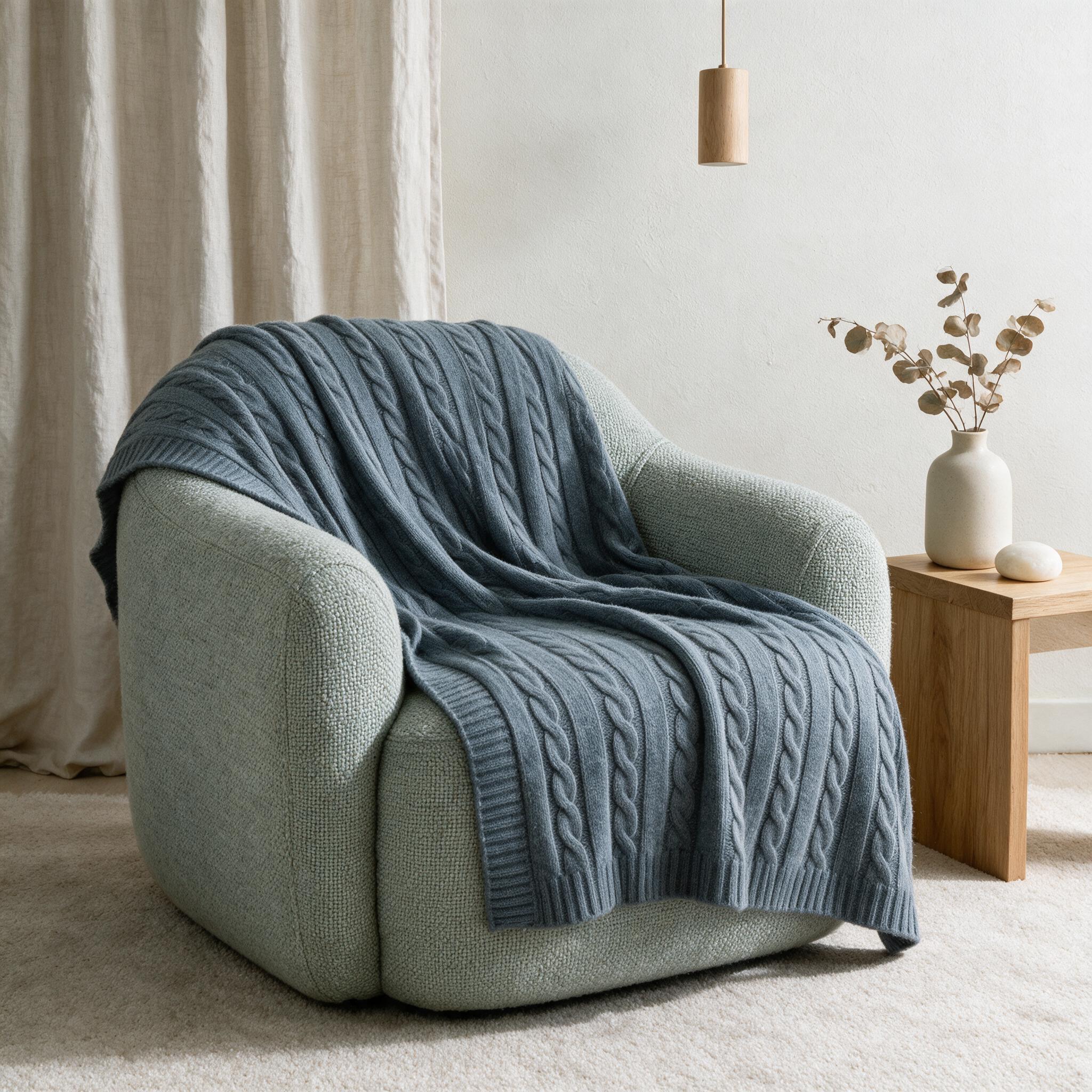
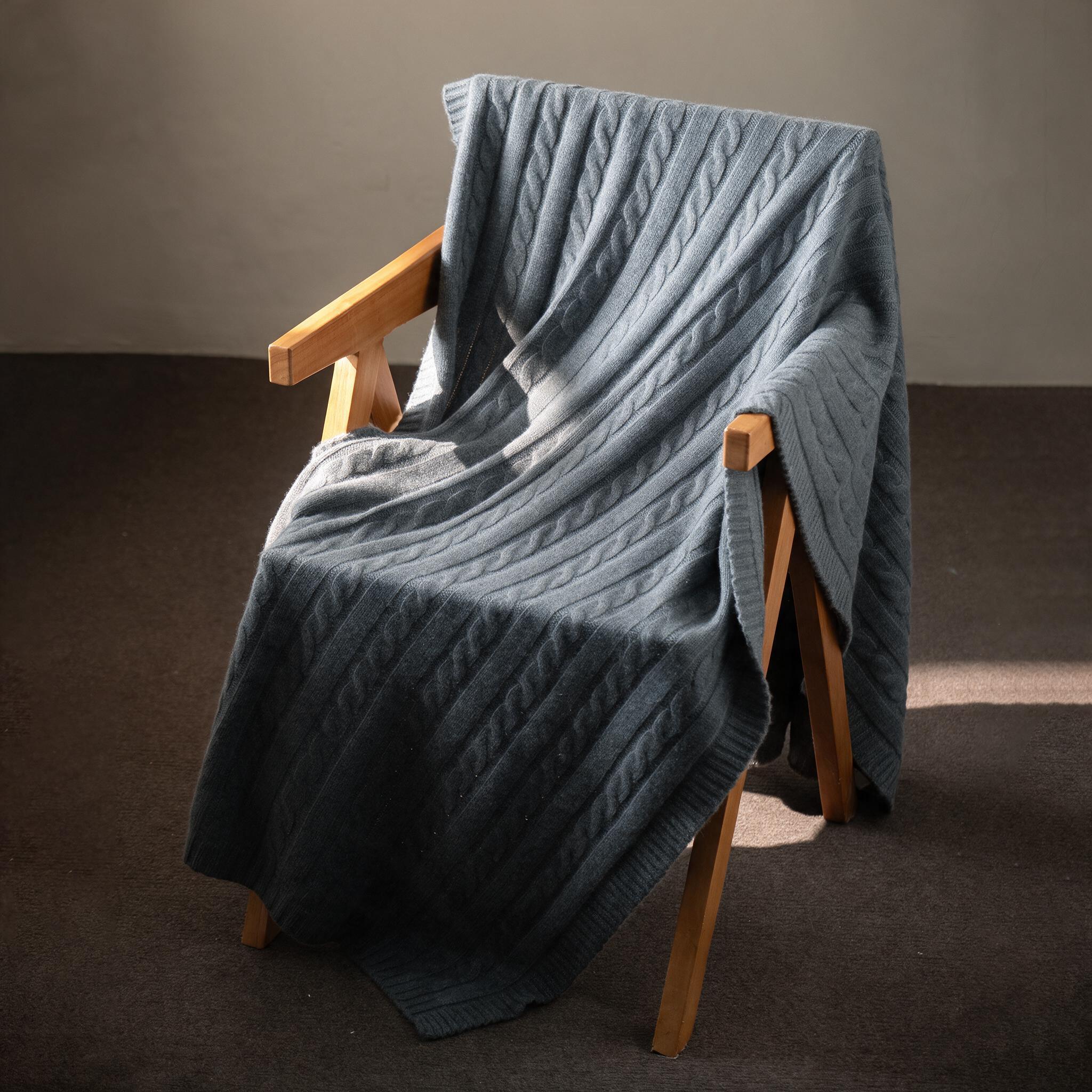
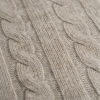
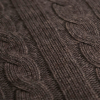
Quattro capi di cashmere vengono ritorti in un unico filato e poi lavorati a trecce profonde e in rilievo che corrono per tutta la lunghezza del plaid. Il filato a quattro capi dà alla maglia un corpo pieno e compatto, che mantiene la forma invece di allentarsi.

I bordi a costine incorniciano ogni lato: il plaid resta ordinato quando è piegato e ricade morbido sul bracciolo di una poltrona.

Filato a quattro capi Trecce in rilievo Bordi a costine
Primo piano delle trecce di un plaid in cashmere marrone cioccolato
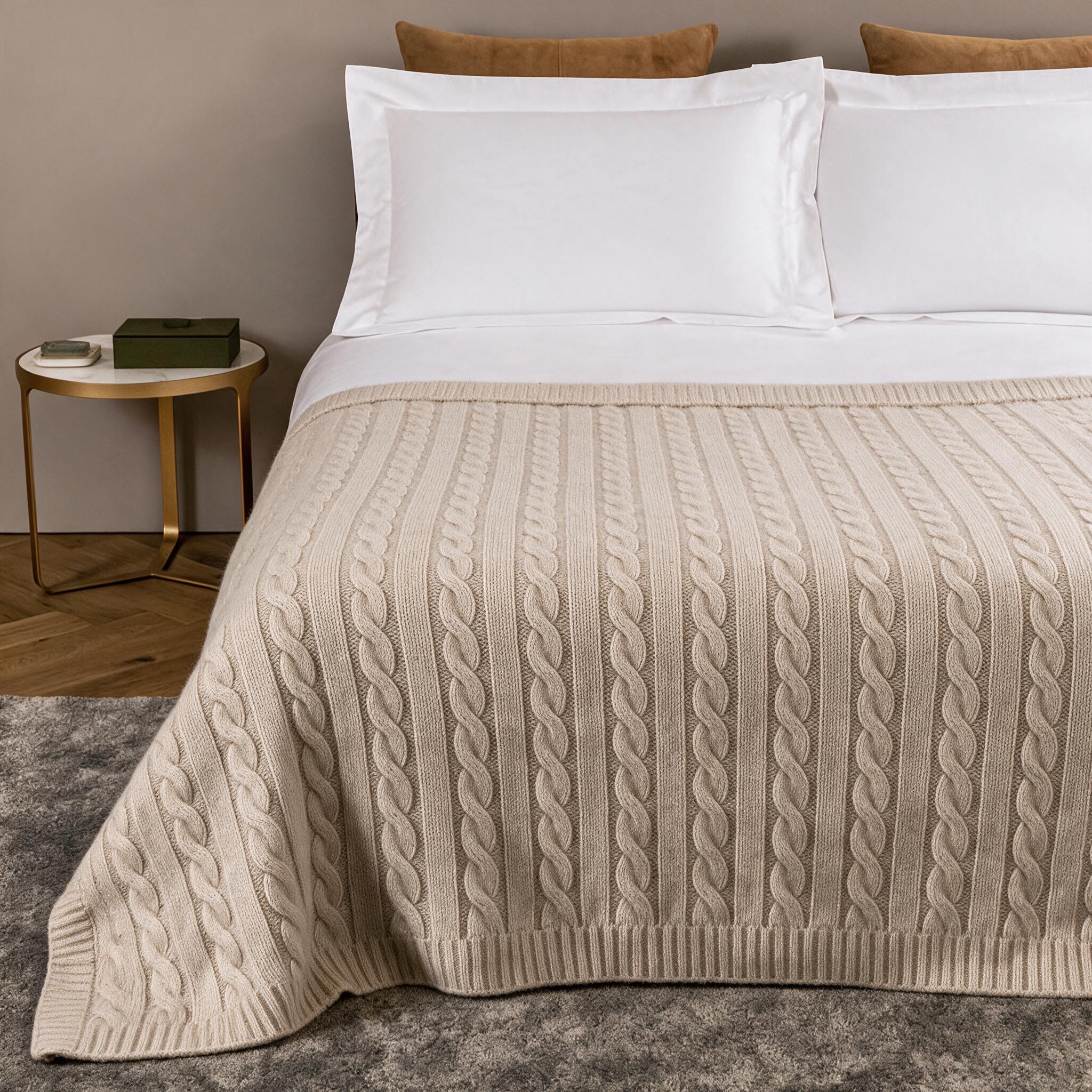
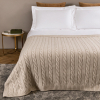
Plaid in cashmere a trecce color avena ai piedi di un letto vestito di bianco

90 × 180 cm · 720 a 1500 g/m²

Pensato per una persona

Con i suoi 90 × 180 cm, il plaid è fatto per avvolgere una persona: sulle spalle sul divano, sulle ginocchia in poltrona o piegato ai piedi del letto come ultimo strato discreto.

Scegli Avena per un tono caldo e naturale, Cioccolato per la profondità o Grigio medio per accostarlo con calma al lino e alla biancheria bianca.

90 × 180 cm 720 a 1500 g/m² Tre colori

In sintesi

Dettagli del prodotto

Materiale
100% cashmere della Mongolia Interna
Filato
Cashmere a quattro capi
Knit
Trecce con bordi a costine
Misura
90 × 180 cm
Grammatura
720 a 1500 g/m², una maglia densa che varia leggermente in base al colore e al lotto
Tatto
Morbido, spesso e rilassato, con una caduta naturale
Colori
Avena, Cioccolato, Grigio medio
Cura
Lavaggio a mano in acqua fredda o a secco, asciugare in piano

Cashmere CareBuying Guide

Cashmere Questions, Answered

Il plaid è davvero 100% cashmere?

Yes. Every strand is cashmere from the Hanshan white goat, with no wool, nylon or polyester blended in. That matters, because a label can say 100% cashmere and still describe thin yarn spun for yield rather than quality. Ours is four strands of cashmere twisted into one yarn and knitted at 720 to 1500 grams per square metre, so the throw feels full and substantial in the hand.

How can you tell good cashmere from cheap cashmere?

Look at three things: the fineness of the fibre, the number of plies in the yarn, and how densely it is knitted. Fine cashmere measures around 14 to 16 microns. A yarn of two or more plies keeps its shape, while single-ply yarn tends to thin where it rubs. A dense knit also wears better than a loose one, which can feel soft at first and then slacken with use. Our throw is spun from 14 to 16 micron cashmere, four-ply, and knitted at 720 to 1500 gsm.

What does four-ply cashmere mean?

Four-ply means four fine strands of cashmere are twisted together to make each yarn. The finished yarn is fuller and rounder than a single strand, so the knit is denser, holds its cables crisply and is less likely to stretch or thin with use. It is also what gives the knit its substantial weight, from 720 to 1500 grams per square metre.

Where does Sensoire's cashmere come from?

Our cashmere comes from the Hanshan white cashmere goat, raised on the grasslands around Chifeng in Inner Mongolia. The goats grow a fine, downy undercoat through the cold winter, and in spring it is combed out by hand. That undercoat is the only fibre in the throw.

Why does a cashmere throw cost more than a wool one?

Because there is far less of it. One goat gives roughly 50 to 200 grams of cashmere a year, combed by hand in spring, while a sheep can give several kilograms of wool from a single shearing. Our throw holds more than a kilogram of four-ply cashmere, so each one carries the yearly undercoat of several goats.

Is cashmere warmer than wool?

Weight for weight, cashmere usually feels warmer than ordinary sheep's wool. Its fibres are much finer, so a light knit holds plenty of still air close to the body and feels warm without feeling heavy. Wool is sturdier and costs less, which suits a bed blanket or a throw for a busy family room. Cashmere is the one to wrap around yourself, next to bare skin.

Is cashmere itchy?

Fine cashmere feels soft rather than prickly against bare skin. The prickle people associate with wool comes from thicker, stiffer fibres pressing on the skin, and cashmere fibres are far finer than ordinary wool. A new throw can release a few loose surface fibres at first, which may tickle until they work free; this settles with use.

Will a cashmere throw make me too hot?

It is unlikely to feel stuffy. Cashmere is a natural animal fibre that breathes and lets moisture move away from the skin, so it keeps you warm without the clammy heat that polyester fleece can trap. That makes it comfortable through a long evening on the sofa, or as an extra layer at the foot of the bed in winter.

Can I use the throw on my bed?

Yes, as a finishing layer rather than a full blanket. At 90 × 180 cm it is sized for one person: laid across the foot of a double or king-size bed, its length runs across the width of the mattress, or you can pull it over the duvet on a cold night. It will not cover a whole mattress the way a bed blanket does.

Cashmere, alpaca or mohair: which should I choose for a throw?

All three are warm natural fibres, and the choice comes down to feel. Alpaca is dense and warm, and is often chosen by people who find sheep's wool itchy. Mohair, from the Angora goat, is lustrous, springy and hard-wearing. Cashmere is the finest of the three, so it is the lightest for the warmth it gives, with a soft, slightly brushed surface that sits gently against bare skin.

Come si lava un plaid in cashmere?

Hand wash it in cool water with a gentle wool detergent, or have it dry cleaned. Choose a detergent made for wool with no enzymes, because the protein-digesting enzymes in everyday detergents can weaken animal fibres. Squeeze the water through gently without rubbing or wringing, press it out between towels, and dry the throw flat away from direct heat and sunlight, since a wet knit stretches if it is hung.

Can I machine wash or tumble dry cashmere?

We advise against both. Heat and agitation make cashmere fibres lock together and felt, and a dense knit can shrink and lose the shape of its cables. Cashmere sold as machine washable has usually been given an anti-shrink finish that smooths the natural scales on each fibre. Our throw is made to be washed by hand instead, which is gentler and keeps it soft and true to size. Never tumble dry.

How often should I wash it?

Only when it is actually soiled. Cashmere tends to resist odours, so between washes it is usually enough to shake the throw out and air it for an afternoon by an open window or outdoors in the shade. Brush off any dust once it is dry and spot-clean small marks with cool water. Fewer washes keep the fibres soft for longer.

Il cashmere fa i pallini?

A little, in the first weeks. Loose fibres on the surface roll into small pills where the throw rubs against a sofa or a sleeve, and this eases once they have worked free. Lift them gently with a cashmere comb rather than pulling them off by hand. A four-ply yarn in a dense knit pills less than thin, loosely knitted cashmere.

How do I store cashmere and keep moths away?

Store it clean, folded and somewhere dry. Clothes moths are drawn to natural fibres that carry traces of skin oils or food, so wash or air the throw before putting it away for the warmer months. Keep it in a breathable cotton bag rather than plastic, add cedar blocks or lavender sachets if you like, and take it out to air every few months.

Recensioni

Non ci sono ancora recensioni.

Recensisci per primo “Plaid in cashmere a trecce · 90 × 180 cm”

Il tuo indirizzo email non sarà pubblicato. I campi obbligatori sono contrassegnati *

Carrello

Lo standard Sensoire

Materiali naturali

Seta di gelso Grade 6A, lino francese e lyocell di bambù, scelti per come si sentono a letto.

Prezzo giusto

Fibre naturali pregiate a un prezzo giusto, vendute direttamente.

Pagamento sicuro

Pagamento crittografato tramite un checkout sicuro.

Consegna e resi

Consegna gratuita per ordini superiori a 89 €. Resi entro 14 giorni.

Creatrici & Community

Sensoire in case vere

Mattine senza copione con Sensoire, filmate e fotografate da chi usa davvero i nostri prodotti a casa.

Piumino in seta di gelso Sensoire bianco sul letto di Stéphanie Biancheria da letto in seta Sensoire champagne sul letto di Tania Il letto di Tifanny vestito con lino francese lavato Sensoire Biancheria da letto in lino lavato Sensoire bianca sul letto di Marie
Guarda i video
Torna in alto