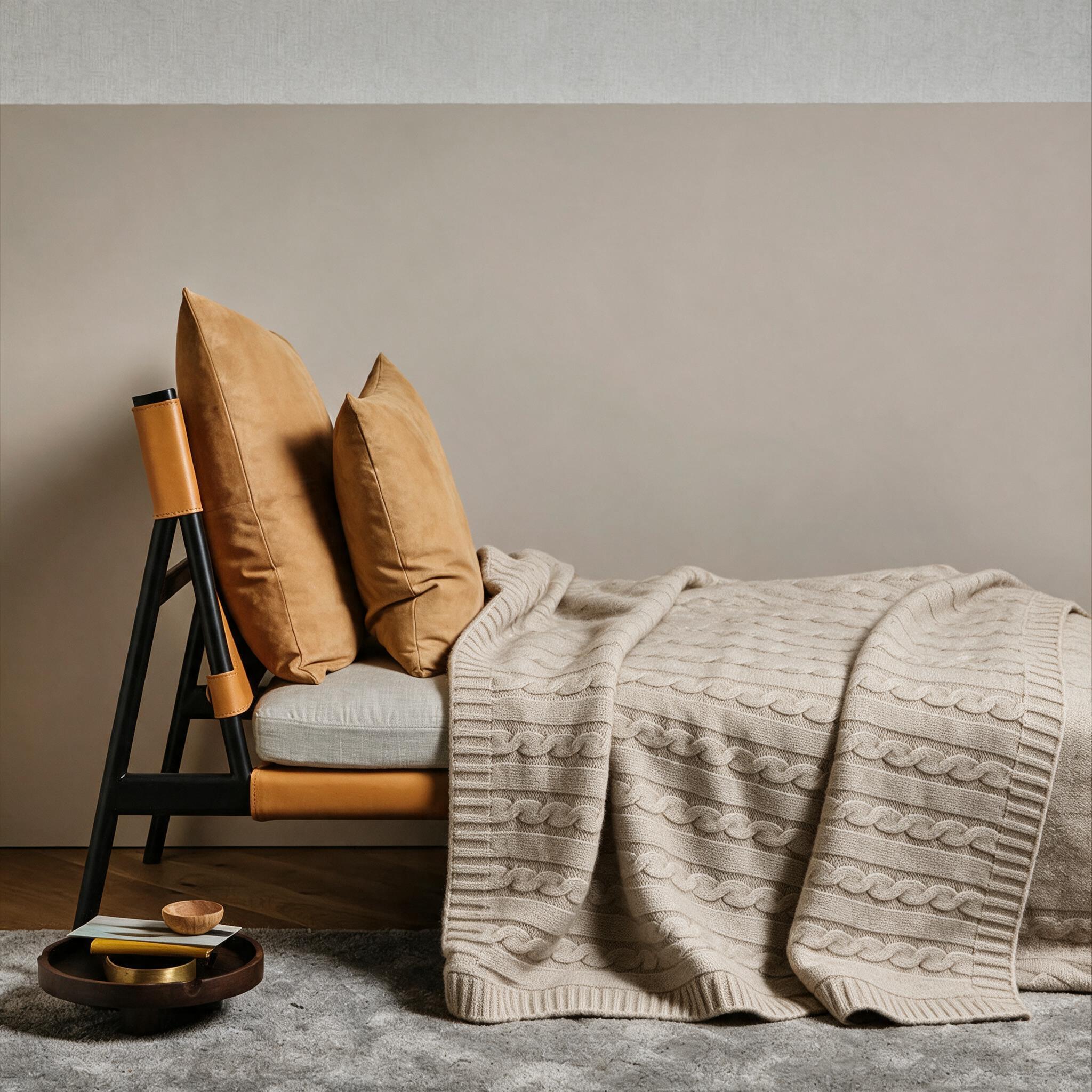
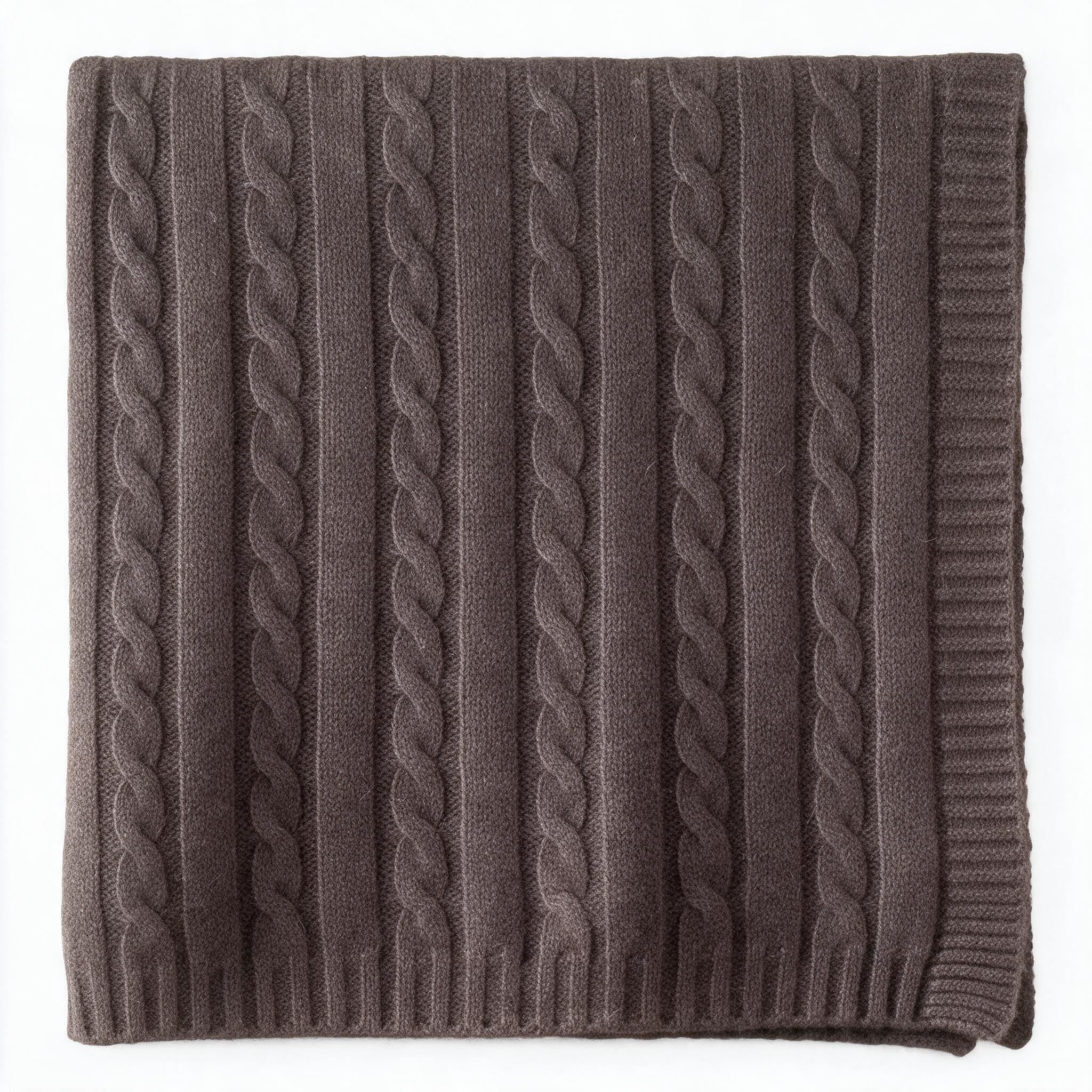
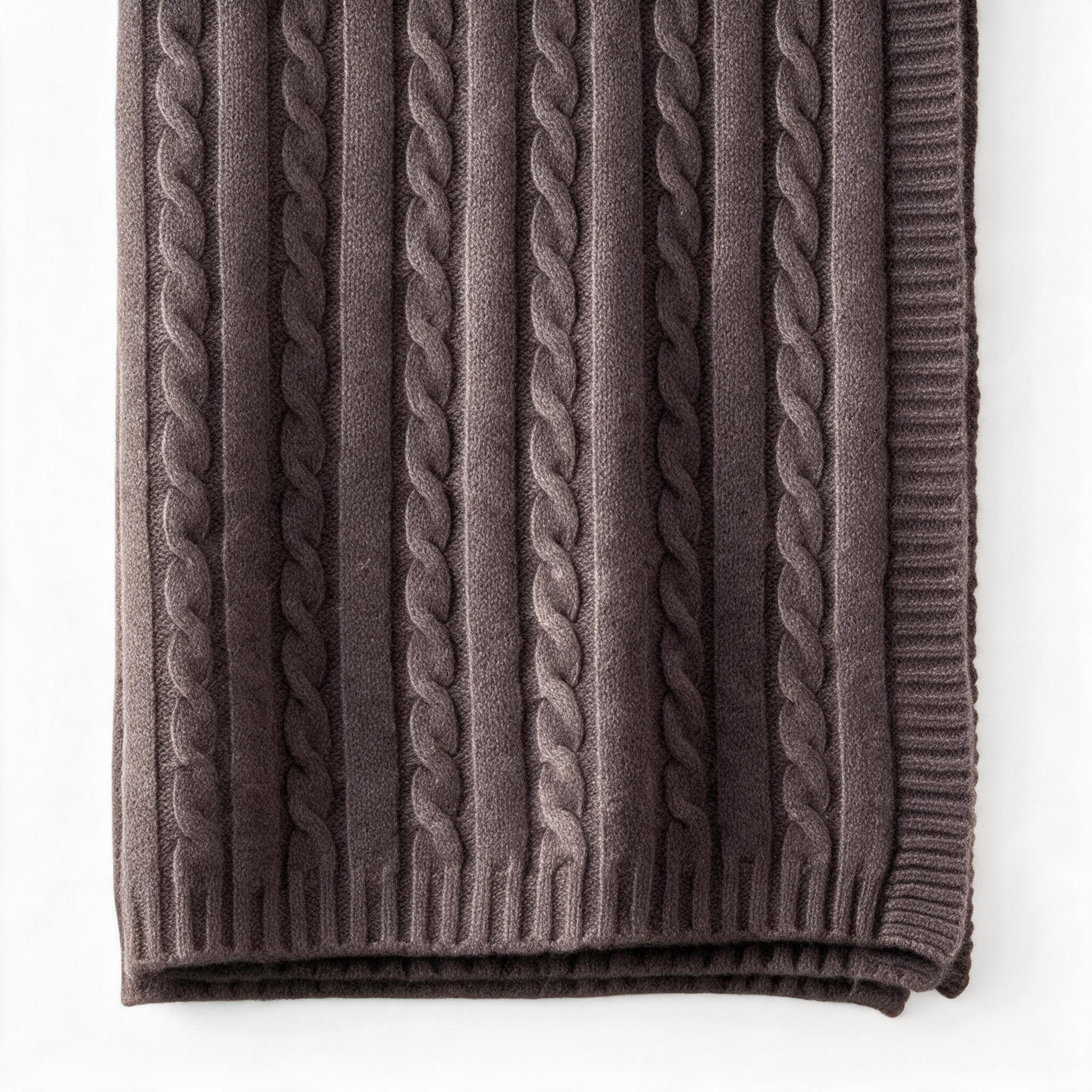
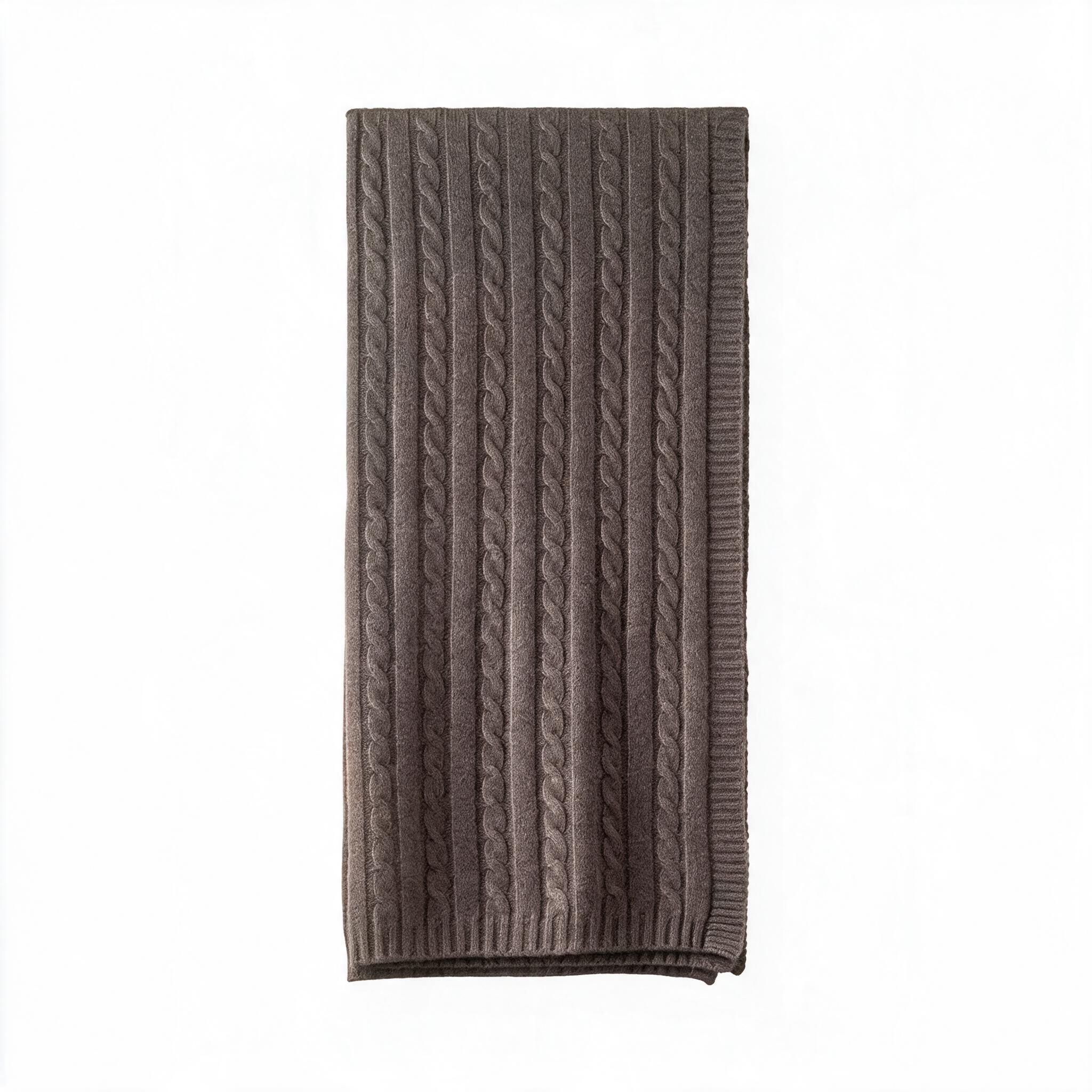
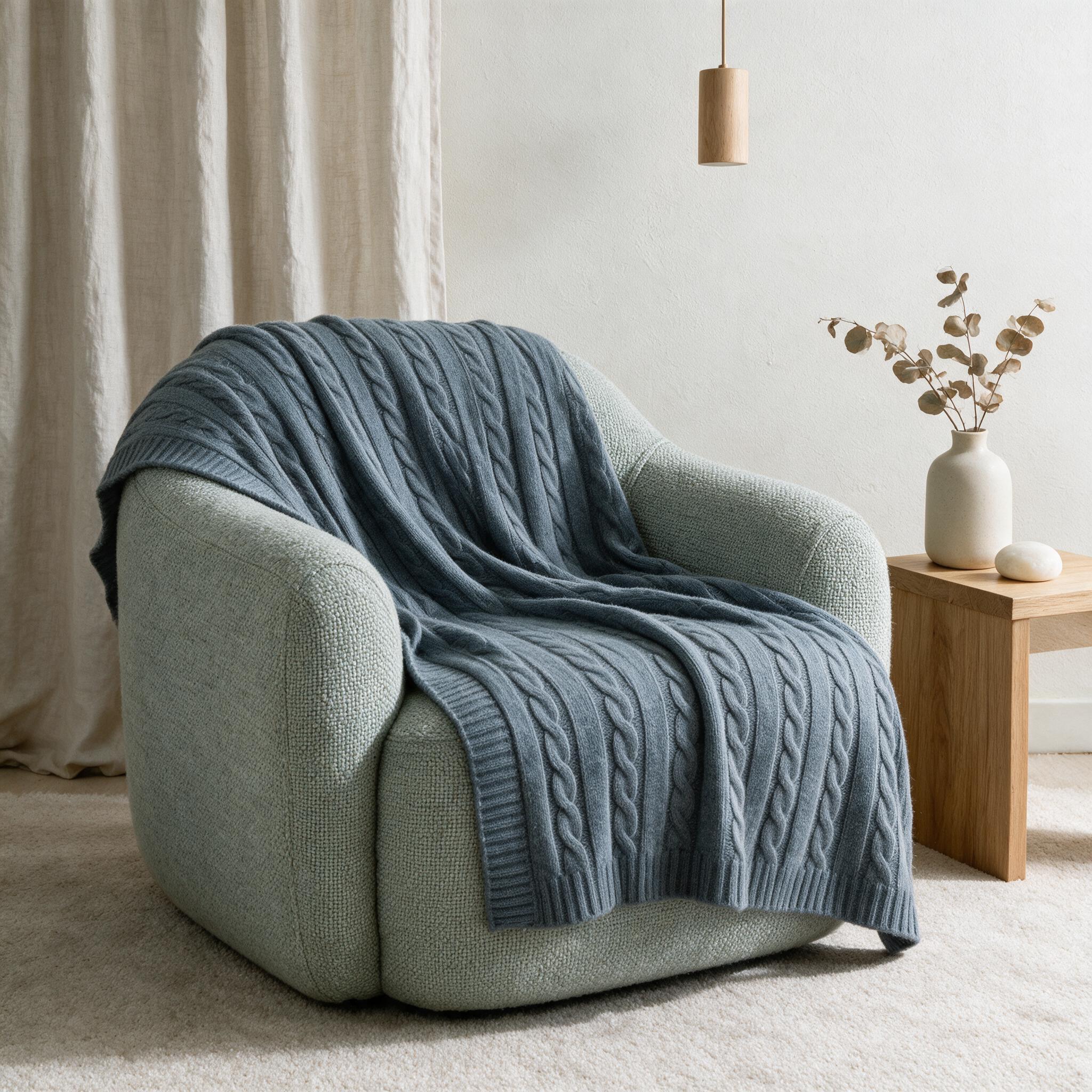
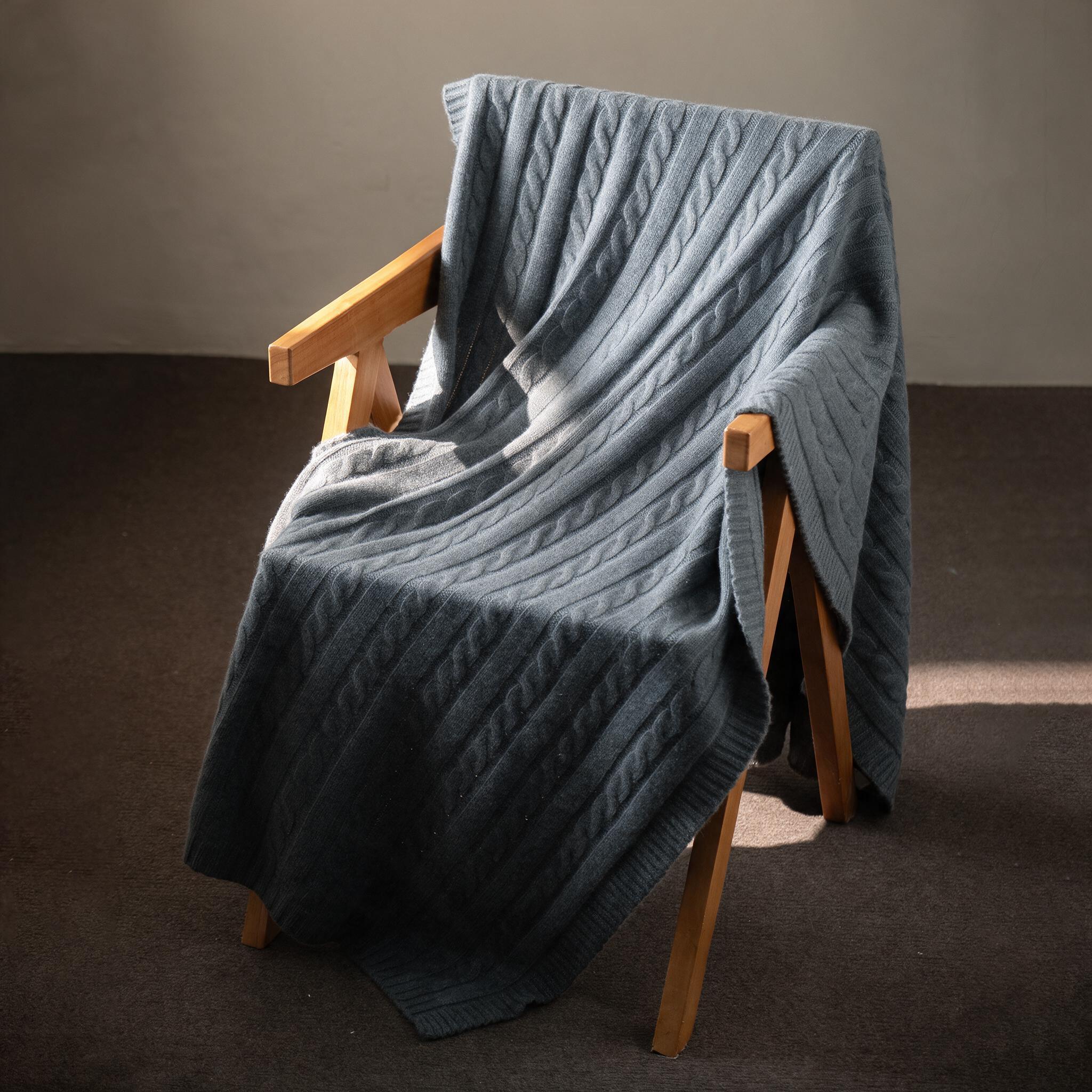

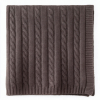
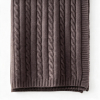
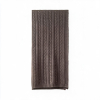

Plaid en cachemire torsadé · 90 × 180 cm

Un plaid torsadé en 100 % cachemire de Mongolie-Intérieure, de 90 × 180 cm. Le fil à quatre brins est tricoté en torsades profondes et en relief : il est doux, léger et discrètement chaud. En Avoine, Chocolat ou Gris moyen.

€ 399

- +
Paiement sécurisé Apple Pay GPay PayPal Visa Mastercard American Express Klarna

Livraison offerte dès 89 € d'achat

  • Garantie satisfait ou remboursé
  • Retours faciles et assistance dédiée
  • Paiements sécurisés
01Détails +−

Un plaid tricoté en 100 % cachemire de Mongolie-Intérieure, issu de la chèvre blanche du Hanshan, près de Chifeng. En 90 × 180 cm, il est pensé pour une personne : sur les épaules dans le canapé, plié au pied du lit, ou emporté jusqu'au fauteuil de lecture.

  • 100 % cachemire de Mongolie-Intérieure
  • Fil de cachemire à quatre brins
  • Torsades et bords côtelés
  • 90 × 180 cm
  • Maille de 720 à 1500 g/m²
  • Avoine, Chocolat ou Gris moyen
02La maille +−

Quatre brins de cachemire sont retordus en un seul fil, puis tricotés en torsades profondes et en relief. Le plaid a de la tenue et un poids agréable, tout en restant assez léger pour passer d'une pièce à l'autre.

Le cachemire est une fibre naturelle très fine : la surface est douce et légèrement duveteuse contre la peau. La maille est tricotée de 720 à 1500 g/m², ce qui lui donne du corps ; le poids exact de chaque plaid varie aussi un peu selon la teinture, le lot et l'humidité.

03Entretien +−

Lavez à la main à l'eau froide avec une lessive douce pour laine, ou confiez au nettoyage à sec. Ne pas tordre, ne pas blanchir, ne pas passer au sèche-linge. Pressez l'eau dans une serviette et faites sécher à plat, loin de la chaleur directe et du soleil.

Rangez le plaid plié plutôt que suspendu. Un léger boulochage est naturel avec le cachemire les premières semaines ; retirez-le délicatement avec un peigne à cachemire.

Détails soignés · Chaleur naturelle

Le plaid en cachemire

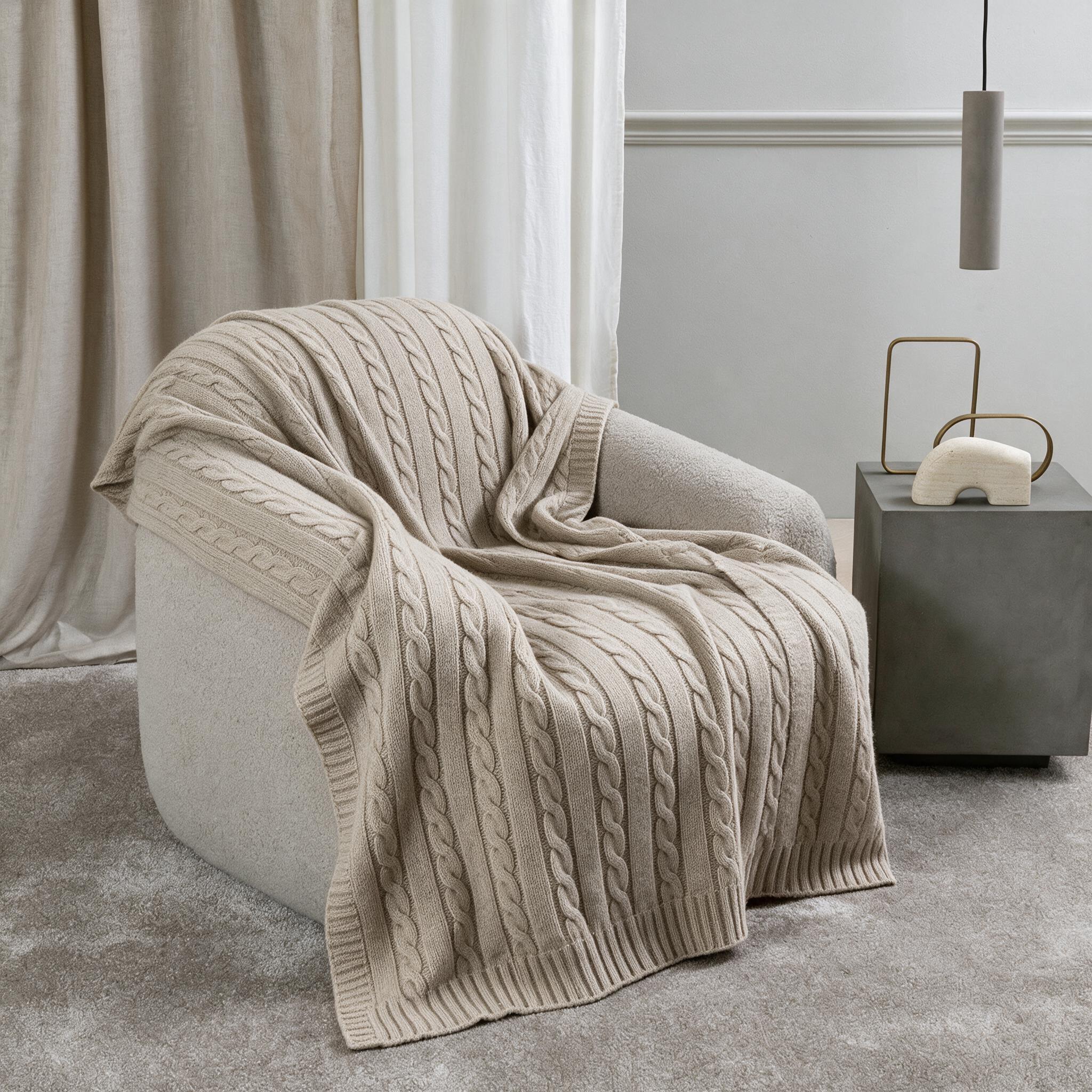
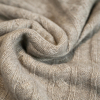
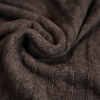
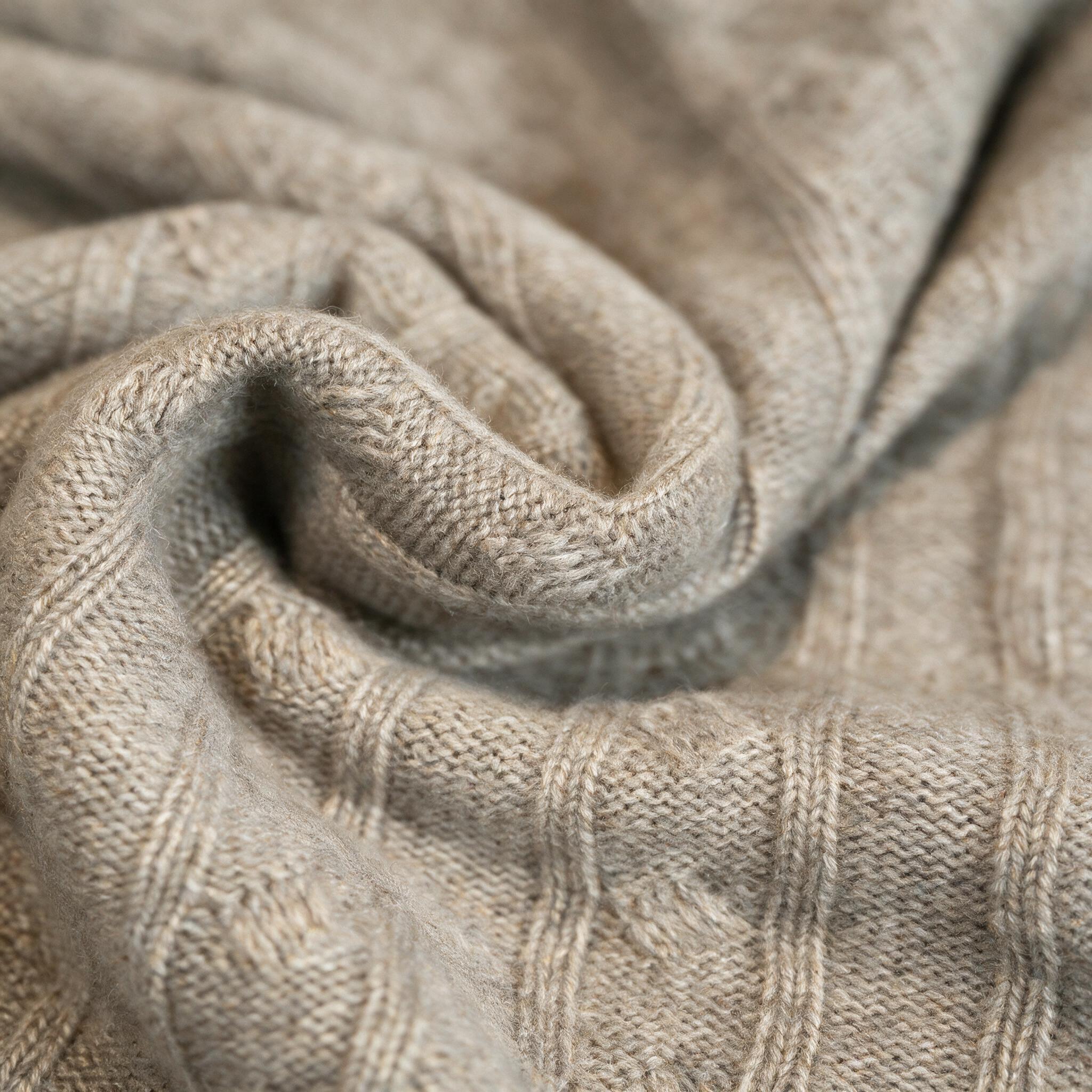
Plis souples d'un cachemire avoine montrant la finesse de la maille

100 % cachemire de Mongolie-Intérieure

De la chèvre blanche du Hanshan

Notre cachemire vient de la chèvre blanche du Hanshan, élevée dans les steppes autour de Chifeng, en Mongolie-Intérieure. Pendant les mois froids, les chèvres développent sous leur poil un duvet fin et dense : c'est cette fibre que nous utilisons. C'est un cachemire blanc, le plus recherché des tons naturels, parce qu'il prend n'importe quelle couleur avec netteté.

Chaque fibre est si fine et retient si bien l'air immobile que le cachemire offre environ trois fois la chaleur de la laine de mouton à poids égal, tout en restant léger et doux contre la peau. Rien d'autre n'est mélangé : le plaid est en 100 % cachemire.

100 % cachemire Mongolie-Intérieure Trois fois la chaleur de la laine

Torsades à quatre brins

Une maille en relief

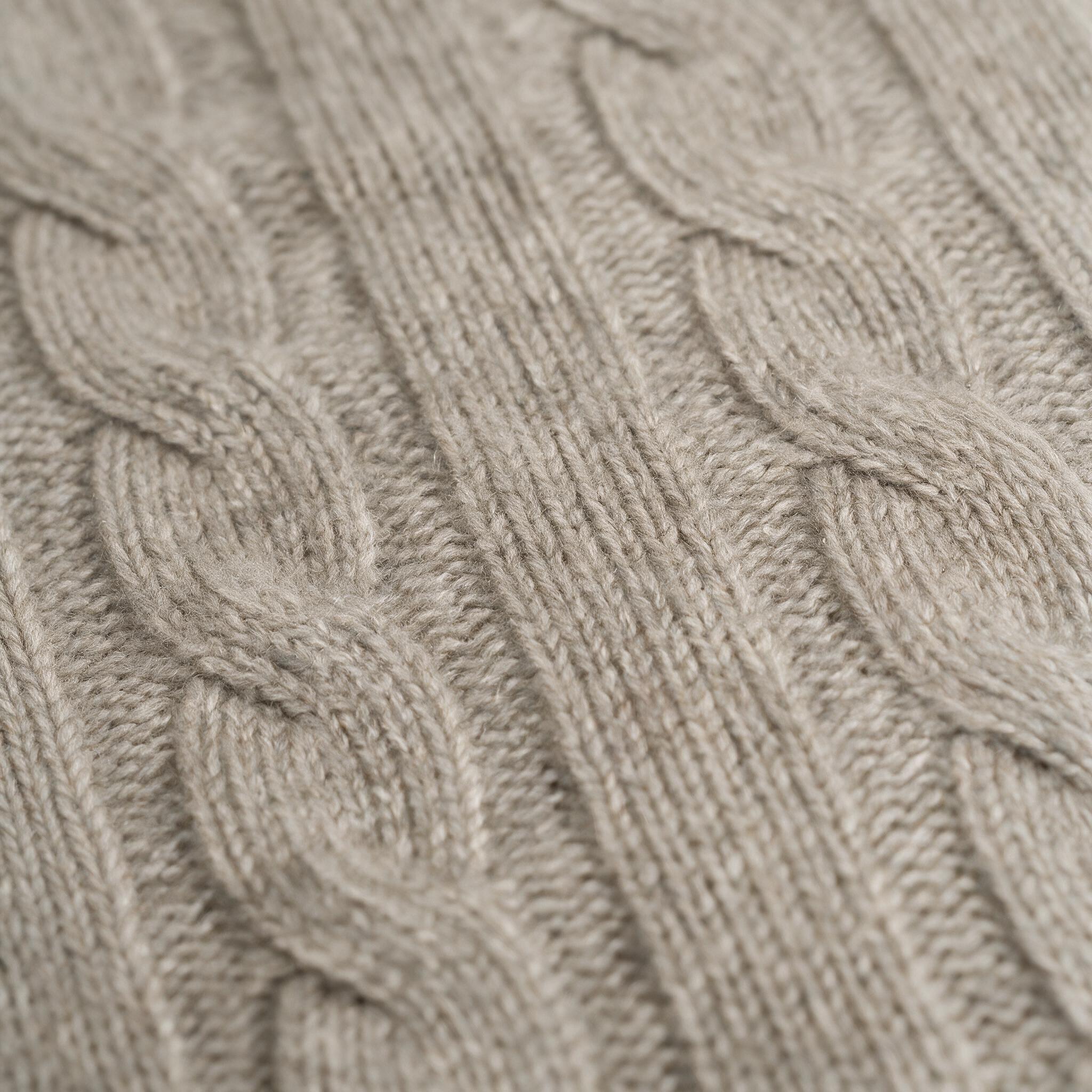
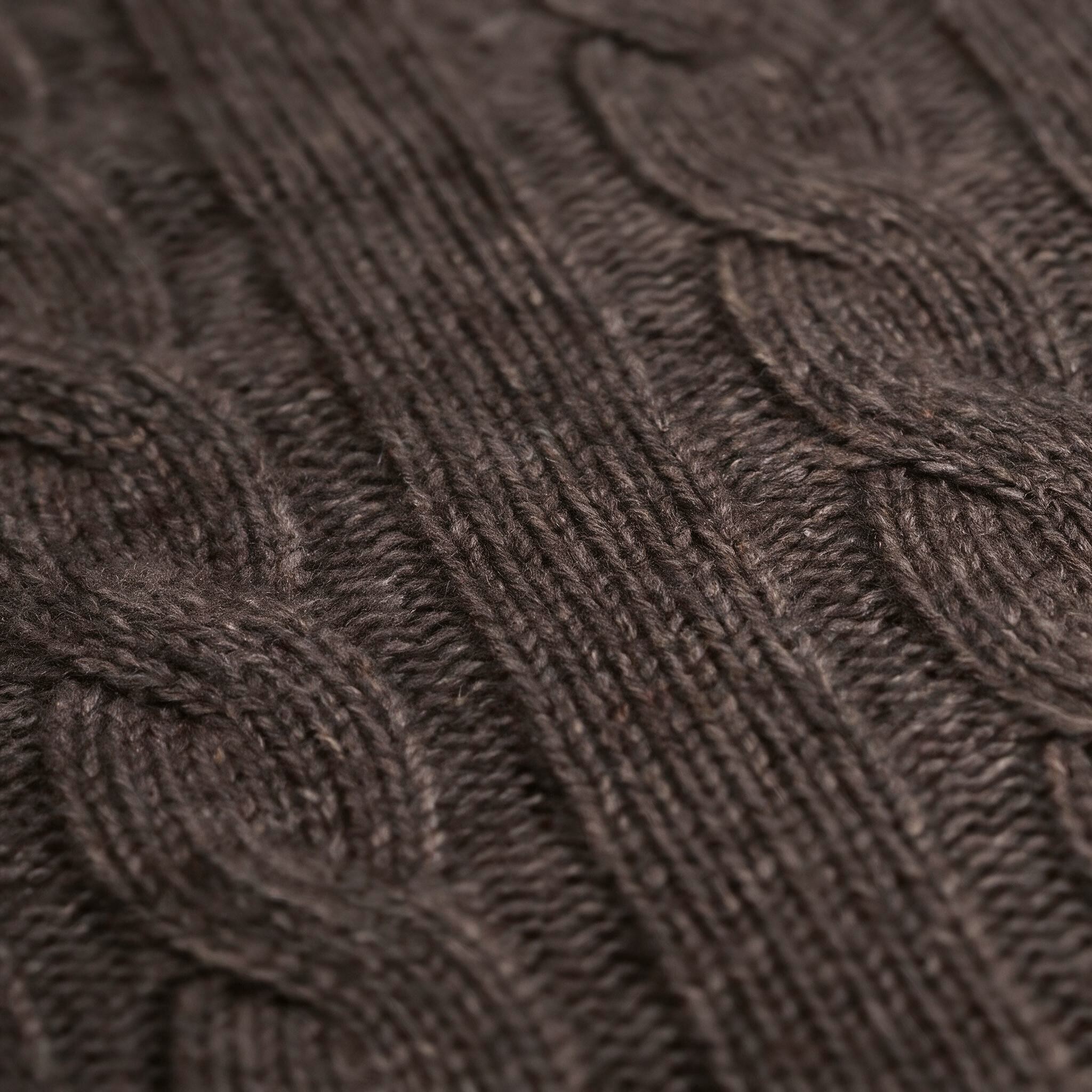
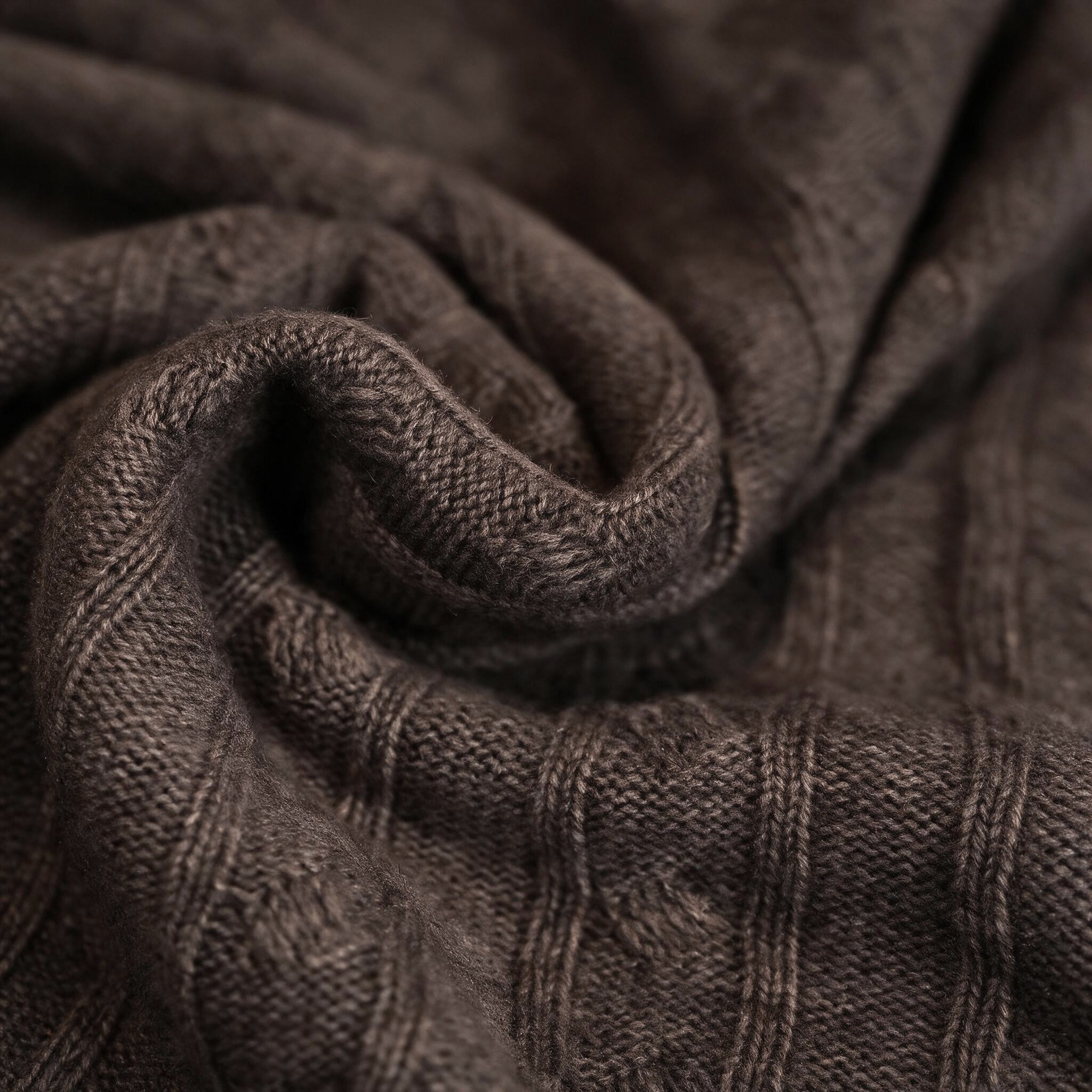
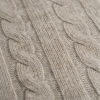
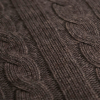
Quatre brins de cachemire sont retordus en un seul fil, puis tricotés en torsades profondes et en relief qui courent sur toute la longueur du plaid. Le fil à quatre brins donne à la maille un corps plein et serré, qui garde sa forme au lieu de se détendre.

Des bords côtelés encadrent chaque côté : le plaid se plie proprement et tombe avec souplesse sur l'accoudoir d'un fauteuil.

Fil à quatre brins Torsades en relief Bords côtelés
Gros plan sur les torsades d'un plaid en cachemire brun chocolat
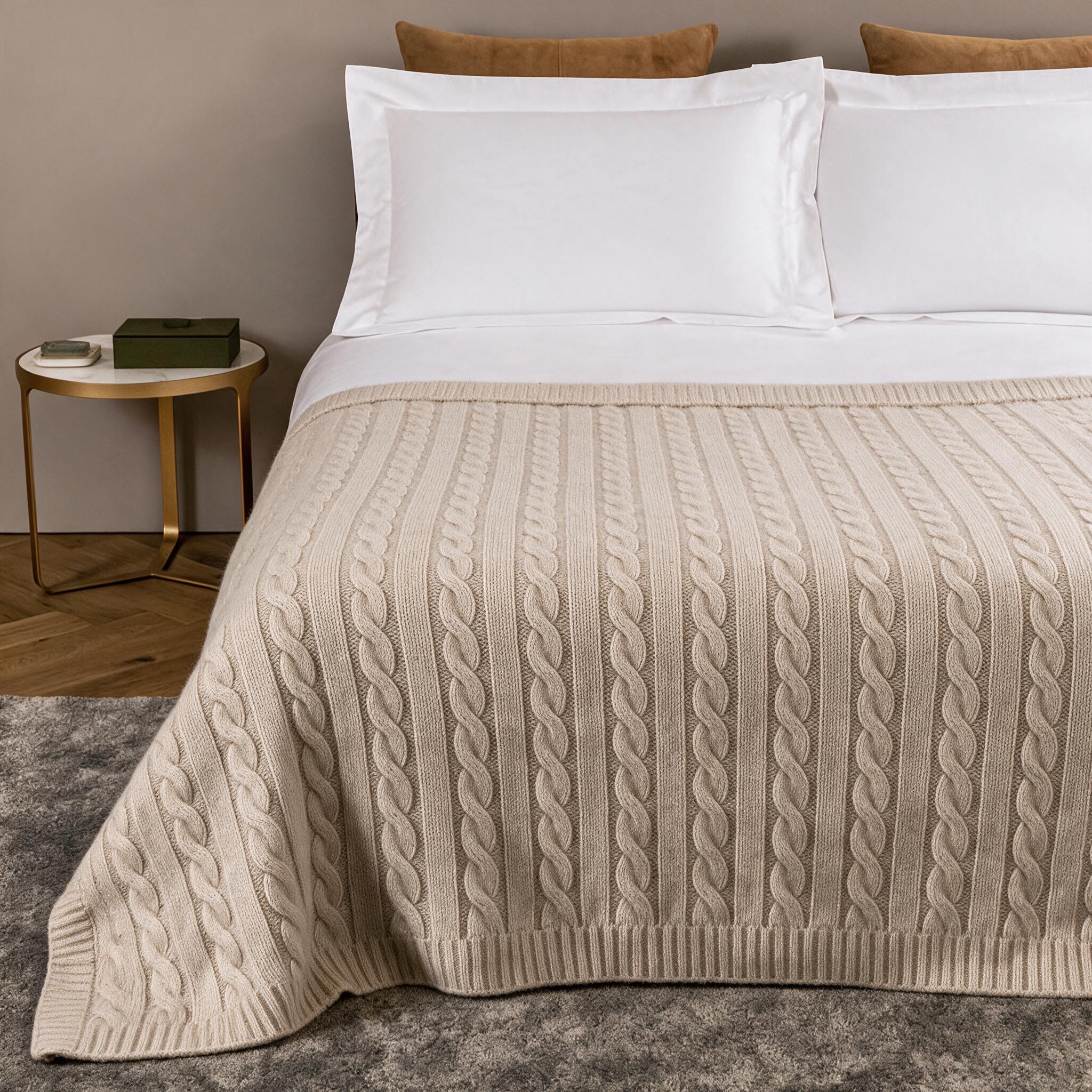
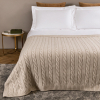
Plaid torsadé en cachemire avoine au pied d'un lit habillé de blanc

90 × 180 cm · 720 à 1500 g/m²

Pensé pour une personne

En 90 × 180 cm, le plaid est fait pour envelopper une personne : sur les épaules dans le canapé, sur les genoux dans un fauteuil de lecture, ou plié au pied du lit comme une dernière couche discrète.

Choisissez Avoine pour un ton chaud et naturel, Chocolat pour la profondeur, ou Gris moyen pour accompagner sereinement le lin et le linge de lit blanc.

90 × 180 cm 720 à 1500 g/m² Trois couleurs

En un coup d'œil

Détails du produit

Matière
100 % cachemire de Mongolie-Intérieure
Fil
Cachemire à quatre brins
Knit
Torsades et bords côtelés
Taille
90 × 180 cm
Grammage
720 à 1500 g/m², une maille dense qui varie légèrement selon la couleur et le lot
Toucher
Doux, épais et souple, avec un tombé naturel
Coloris
Avoine, Chocolat, Gris moyen
Entretien
Lavage à la main à l'eau froide ou nettoyage à sec, séchage à plat

Cashmere CareBuying Guide

Cashmere Questions, Answered

Le plaid est-il vraiment en 100 % cachemire ?

Yes. Every strand is cashmere from the Hanshan white goat, with no wool, nylon or polyester blended in. That matters, because a label can say 100% cashmere and still describe thin yarn spun for yield rather than quality. Ours is four strands of cashmere twisted into one yarn and knitted at 720 to 1500 grams per square metre, so the throw feels full and substantial in the hand.

How can you tell good cashmere from cheap cashmere?

Look at three things: the fineness of the fibre, the number of plies in the yarn, and how densely it is knitted. Fine cashmere measures around 14 to 16 microns. A yarn of two or more plies keeps its shape, while single-ply yarn tends to thin where it rubs. A dense knit also wears better than a loose one, which can feel soft at first and then slacken with use. Our throw is spun from 14 to 16 micron cashmere, four-ply, and knitted at 720 to 1500 gsm.

What does four-ply cashmere mean?

Four-ply means four fine strands of cashmere are twisted together to make each yarn. The finished yarn is fuller and rounder than a single strand, so the knit is denser, holds its cables crisply and is less likely to stretch or thin with use. It is also what gives the knit its substantial weight, from 720 to 1500 grams per square metre.

Where does Sensoire's cashmere come from?

Our cashmere comes from the Hanshan white cashmere goat, raised on the grasslands around Chifeng in Inner Mongolia. The goats grow a fine, downy undercoat through the cold winter, and in spring it is combed out by hand. That undercoat is the only fibre in the throw.

Why does a cashmere throw cost more than a wool one?

Because there is far less of it. One goat gives roughly 50 to 200 grams of cashmere a year, combed by hand in spring, while a sheep can give several kilograms of wool from a single shearing. Our throw holds more than a kilogram of four-ply cashmere, so each one carries the yearly undercoat of several goats.

Is cashmere warmer than wool?

Weight for weight, cashmere usually feels warmer than ordinary sheep's wool. Its fibres are much finer, so a light knit holds plenty of still air close to the body and feels warm without feeling heavy. Wool is sturdier and costs less, which suits a bed blanket or a throw for a busy family room. Cashmere is the one to wrap around yourself, next to bare skin.

Is cashmere itchy?

Fine cashmere feels soft rather than prickly against bare skin. The prickle people associate with wool comes from thicker, stiffer fibres pressing on the skin, and cashmere fibres are far finer than ordinary wool. A new throw can release a few loose surface fibres at first, which may tickle until they work free; this settles with use.

Will a cashmere throw make me too hot?

It is unlikely to feel stuffy. Cashmere is a natural animal fibre that breathes and lets moisture move away from the skin, so it keeps you warm without the clammy heat that polyester fleece can trap. That makes it comfortable through a long evening on the sofa, or as an extra layer at the foot of the bed in winter.

Can I use the throw on my bed?

Yes, as a finishing layer rather than a full blanket. At 90 × 180 cm it is sized for one person: laid across the foot of a double or king-size bed, its length runs across the width of the mattress, or you can pull it over the duvet on a cold night. It will not cover a whole mattress the way a bed blanket does.

Cashmere, alpaca or mohair: which should I choose for a throw?

All three are warm natural fibres, and the choice comes down to feel. Alpaca is dense and warm, and is often chosen by people who find sheep's wool itchy. Mohair, from the Angora goat, is lustrous, springy and hard-wearing. Cashmere is the finest of the three, so it is the lightest for the warmth it gives, with a soft, slightly brushed surface that sits gently against bare skin.

Comment laver un plaid en cachemire ?

Hand wash it in cool water with a gentle wool detergent, or have it dry cleaned. Choose a detergent made for wool with no enzymes, because the protein-digesting enzymes in everyday detergents can weaken animal fibres. Squeeze the water through gently without rubbing or wringing, press it out between towels, and dry the throw flat away from direct heat and sunlight, since a wet knit stretches if it is hung.

Can I machine wash or tumble dry cashmere?

We advise against both. Heat and agitation make cashmere fibres lock together and felt, and a dense knit can shrink and lose the shape of its cables. Cashmere sold as machine washable has usually been given an anti-shrink finish that smooths the natural scales on each fibre. Our throw is made to be washed by hand instead, which is gentler and keeps it soft and true to size. Never tumble dry.

How often should I wash it?

Only when it is actually soiled. Cashmere tends to resist odours, so between washes it is usually enough to shake the throw out and air it for an afternoon by an open window or outdoors in the shade. Brush off any dust once it is dry and spot-clean small marks with cool water. Fewer washes keep the fibres soft for longer.

Le cachemire bouloche-t-il ?

A little, in the first weeks. Loose fibres on the surface roll into small pills where the throw rubs against a sofa or a sleeve, and this eases once they have worked free. Lift them gently with a cashmere comb rather than pulling them off by hand. A four-ply yarn in a dense knit pills less than thin, loosely knitted cashmere.

How do I store cashmere and keep moths away?

Store it clean, folded and somewhere dry. Clothes moths are drawn to natural fibres that carry traces of skin oils or food, so wash or air the throw before putting it away for the warmer months. Keep it in a breathable cotton bag rather than plastic, add cedar blocks or lavender sachets if you like, and take it out to air every few months.

Avis

Il n’y a encore aucun avis

Soyez le premier à laisser votre avis sur “Plaid en cachemire torsadé · 90 × 180 cm”

Votre adresse e-mail ne sera pas publiée. Les champs obligatoires sont indiqués avec *

Panier

L'exigence Sensoire

Matières naturelles

Soie de mûrier Grade 6A, lin de France et lyocell de bambou, choisis pour leur toucher au lit.

Prix juste

De belles fibres naturelles à un prix juste, vendues en direct.

Paiement sécurisé

Paiement chiffré via un tunnel de commande sécurisé.

Livraison et retours

Livraison offerte dès 89 € d'achat. Retours sous 14 jours.

Créatrices & Communauté

Sensoire dans de vrais intérieurs

Des matins sans mise en scène avec Sensoire, filmés et photographiés par celles qui utilisent vraiment nos produits chez elles.

Couette en soie de mûrier Sensoire blanche sur le lit de Stéphanie Linge de lit en soie Sensoire champagne sur le lit de Tania Le lit de Tifanny habillé de lin français lavé Sensoire Linge de lit en lin lavé Sensoire blanc sur le lit de Marie
Voir les vidéos
Retour en haut de la page