


Hot Sleepers
Silk Pillowcase for Hot Sleepers: What It Cools and What It Cannot
During hot summer weather, the body naturally tries to release heat. The head and face are key areas for this. A pillowcase comes into direct contact with your hair, cheeks, ears, and neck.
If the pillow doesn’t allow enough airflow, heat and moisture can build up between your head and the pillow. This may cause a damp, hot, and sticky feeling. A silk pillowcase may improve this part of your sleep experience. But it is not a complete cooling solution.
01
Does a Silk Pillowcase Help Hot Sleepers?
Yes, at the surface. A silk pillowcase for hot sleepers keeps the fabric against your face drier and smoother: silk fibers can absorb up to 30% of their own weight in moisture and release it again, so the pillow feels less sticky through the night. It does not lower the temperature of the room or of the whole bed.
Silk absorbs and releases moisture better than cotton because of its special porous structure. Silk fibers can absorb up to 30% of their own weight in moisture, compared with 20% for cotton. This helps support natural moisture balance of our skin.
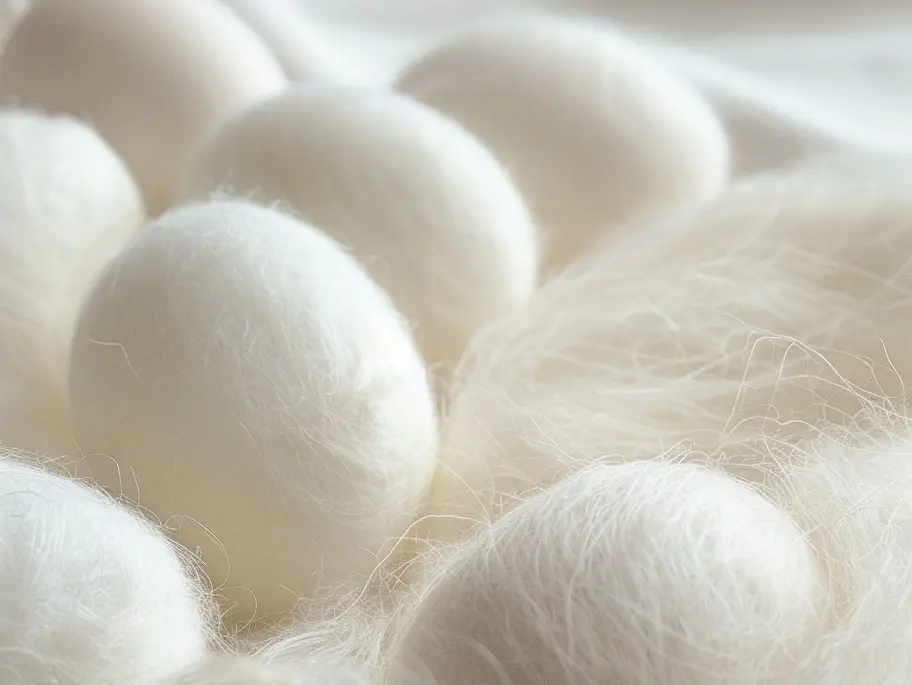
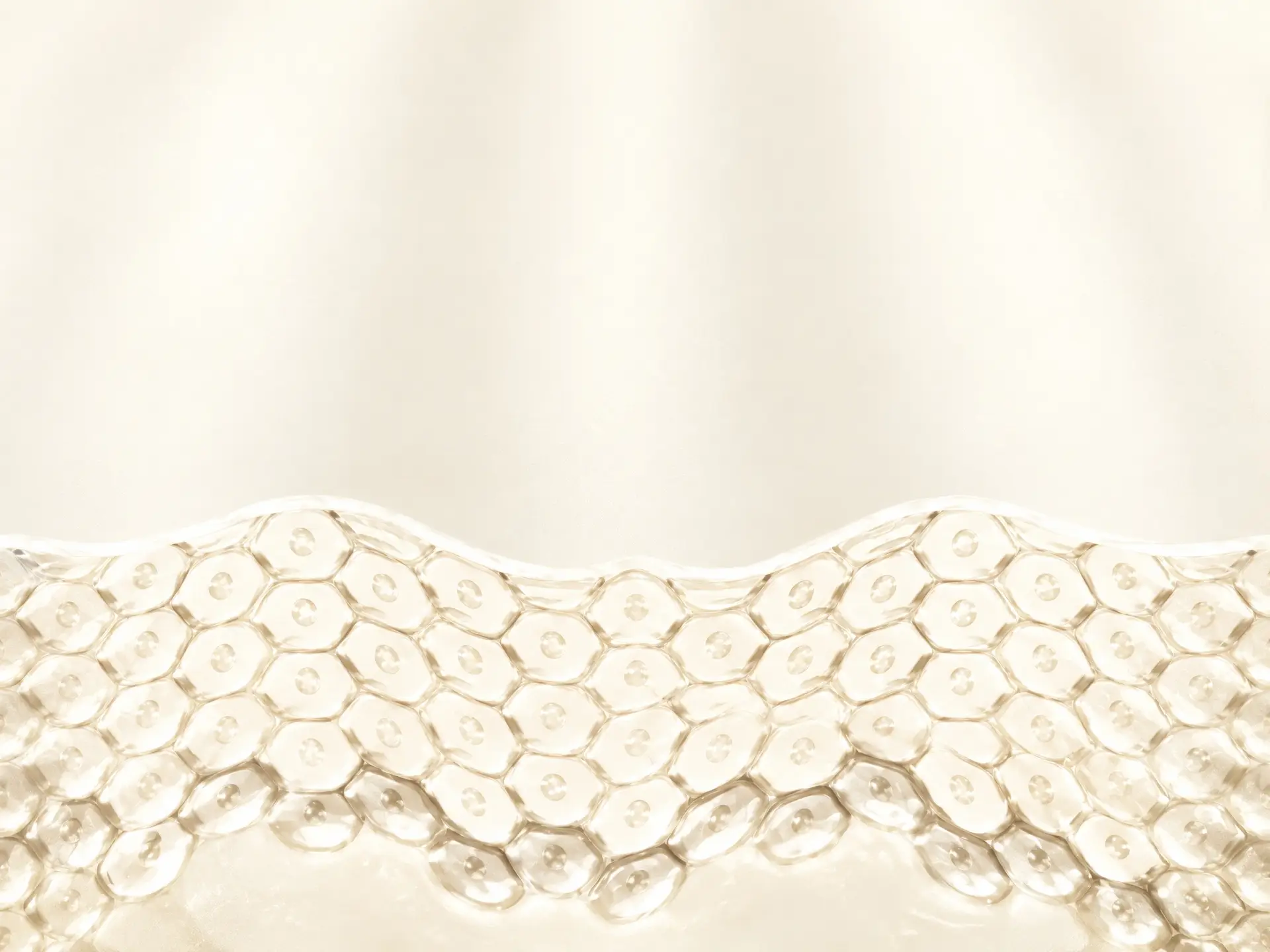
Silk helps manage small temperature changes throughout the night. It may reduce the feeling of overheating and help hot sleepers wake up less often. It also offers natural antibacterial protection, a good choice for people with sensitive skin.
If you dislike the warm, sticky feeling of your cheeks, neck, or hair against the pillow, choose a silk pillowcase for smoother touch and more gently cooling. It helps reduce friction between your skin and the fabric. And less likely to leave sleep lines on your face.
02
Why Does Your Pillow Get Hot at Night?
Your pillow gets hot because your head releases heat all night and the pillow holds on to it. The pillowcase is only the top layer: the pillow filling, the mattress, the room temperature and the humidity all add to the warmth you feel. A pillowcase can change how the surface feels, not how much heat your body gives off.
The heat doesn’t always come from your pillowcase alone.
- Heat trapped in the pillow: Some traditional pillow fillings can hold heat close to your head. A more breathable pillow can help air move through and release heat.
- A warm, sticky pillowcase: Your pillowcase is the first thing that touches your skin. Thick fabrics or tight weaves can block airflow. A pillowcase that absorbs moisture well can help keep your neck dry.
- Sleep environment: Your mattress, mattress cover, heavy blankets, and room temperature can all affect how you feel at night. Airing out the room before bed and using lighter bedding can also help you stay cool and dry.
03
What a Cooling Silk Pillowcase Can and Cannot Do
A cooling silk pillowcase can keep the surface under your face drier and smoother; it cannot cool the room or the mattress. Expect a difference in feel at the point of contact, not a lower bedroom temperature. If your cheeks and neck often feel damp at night, that surface is exactly where 19 momme silk helps.
Silk pillowcases can absorb moisture and allow air to move through. This can help keep the pillow surface dry and comfortable. If your cheeks often feel sticky against the pillow or your hair feels trapped, silk can create a smoother surface for your face and hair. It can help reduce rubbing and that sticky feeling.
A silk pillowcase isn’t a full cooling solution. It won’t cool down a memory foam pillow or lower the room temperature. It also may not be enough if you sweat heavily at night. If your whole bed holds too much heat, check your pillow, sheets, blankets, mattress, and bedroom.
04
Silk vs Linen vs Bamboo for Hot Sleepers
For hot sleepers the three fibers solve different problems. Linen moves the most air and feels the coolest and crispest. Bamboo lyocell absorbs moisture and dries quickly. Silk gives the smoothest surface with the least friction on skin and hair. None of the three lowers the room temperature; they change how the fabric feels against you.
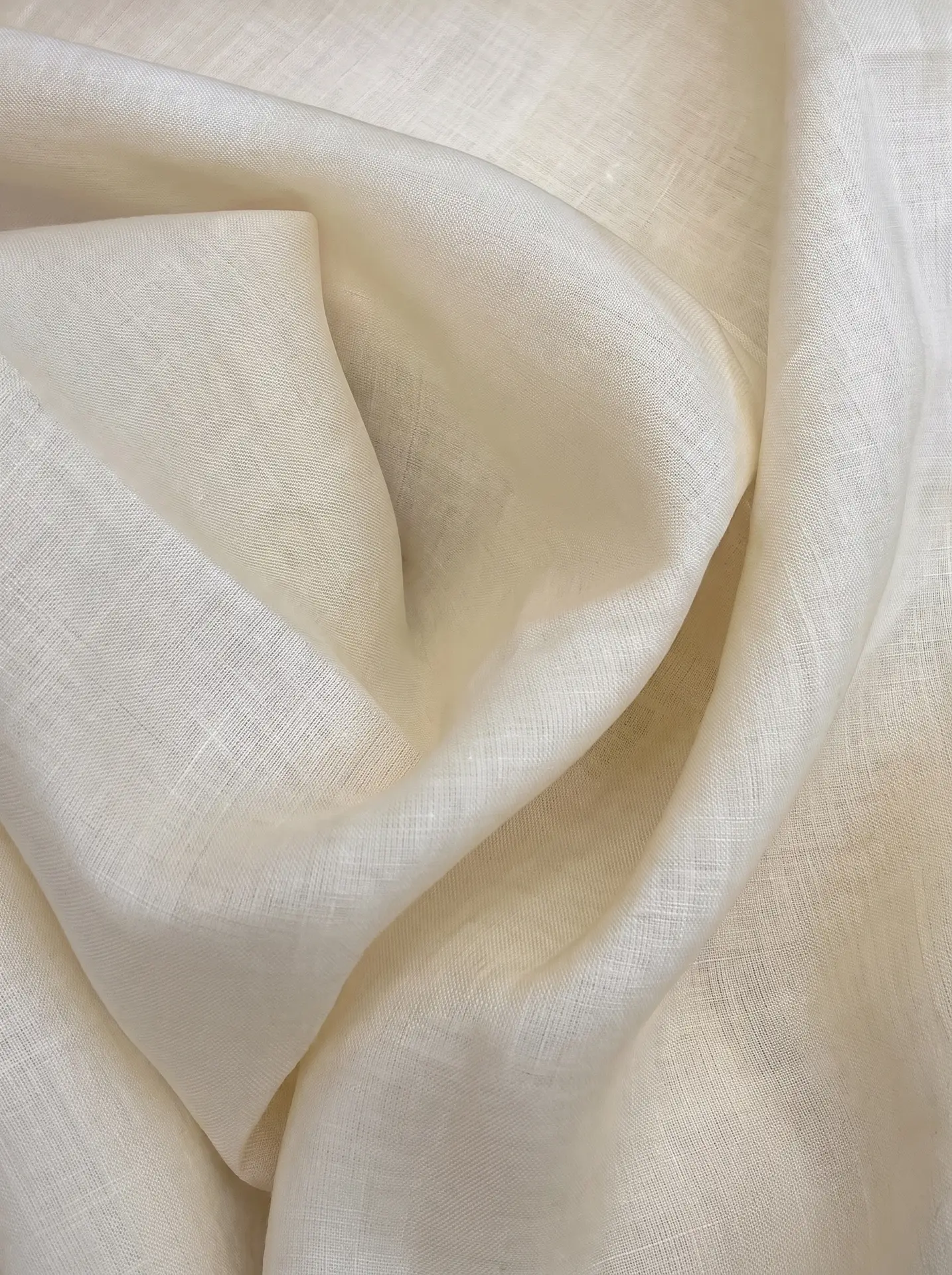
Linen fibers have many small natural spaces. These spaces let air move through the fabric. When sweat touches linen, the moisture can be absorbed, spread out, and dry more easily. This helps linen feel dry and airy.
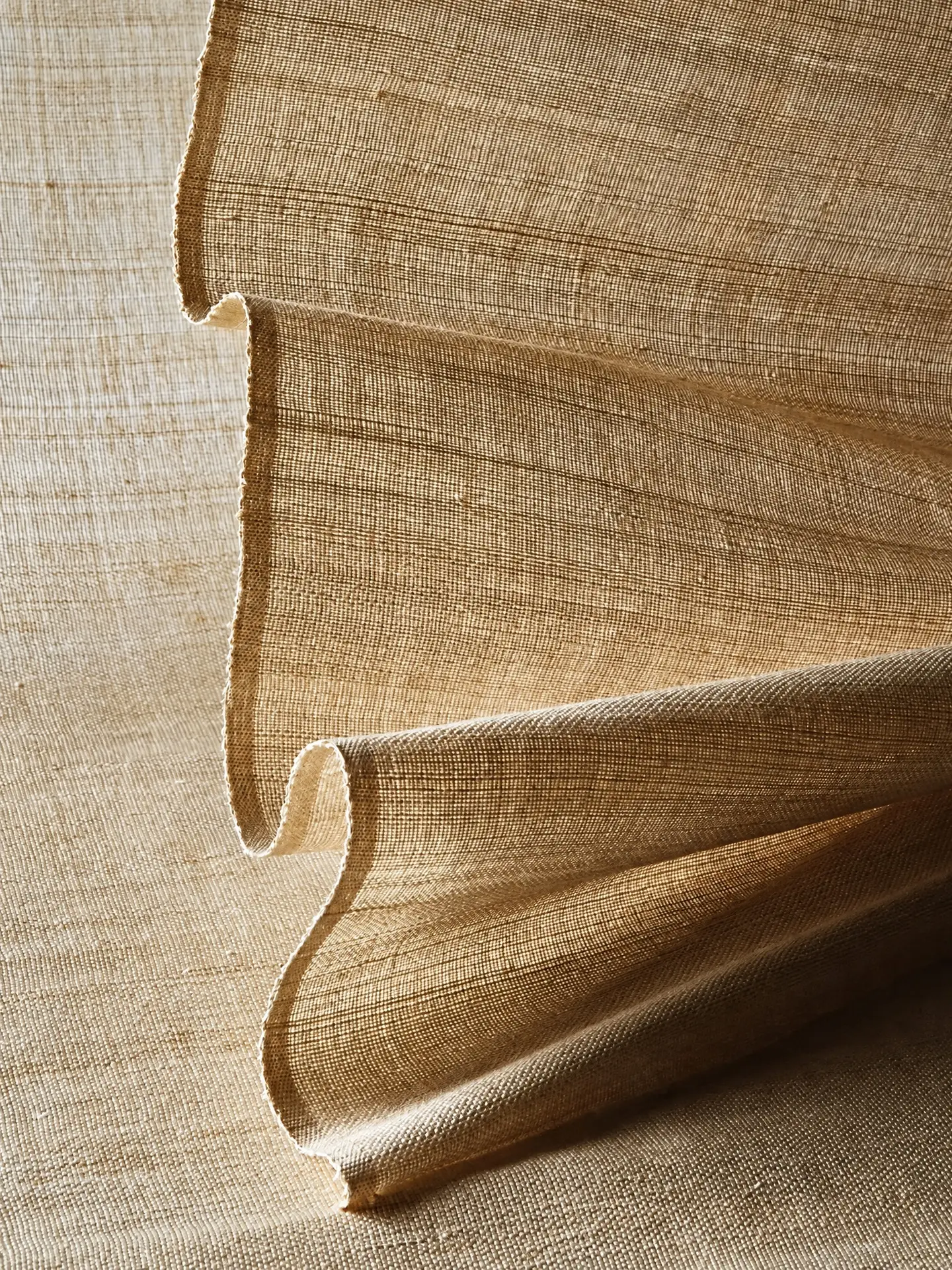
Bamboo fiber feels cool mainly because it absorbs moisture and dries fast. It pulls moisture away from the skin and helps it dry. When moisture does not stay on the pillowcase for long, the fabric feels less warm and sticky.
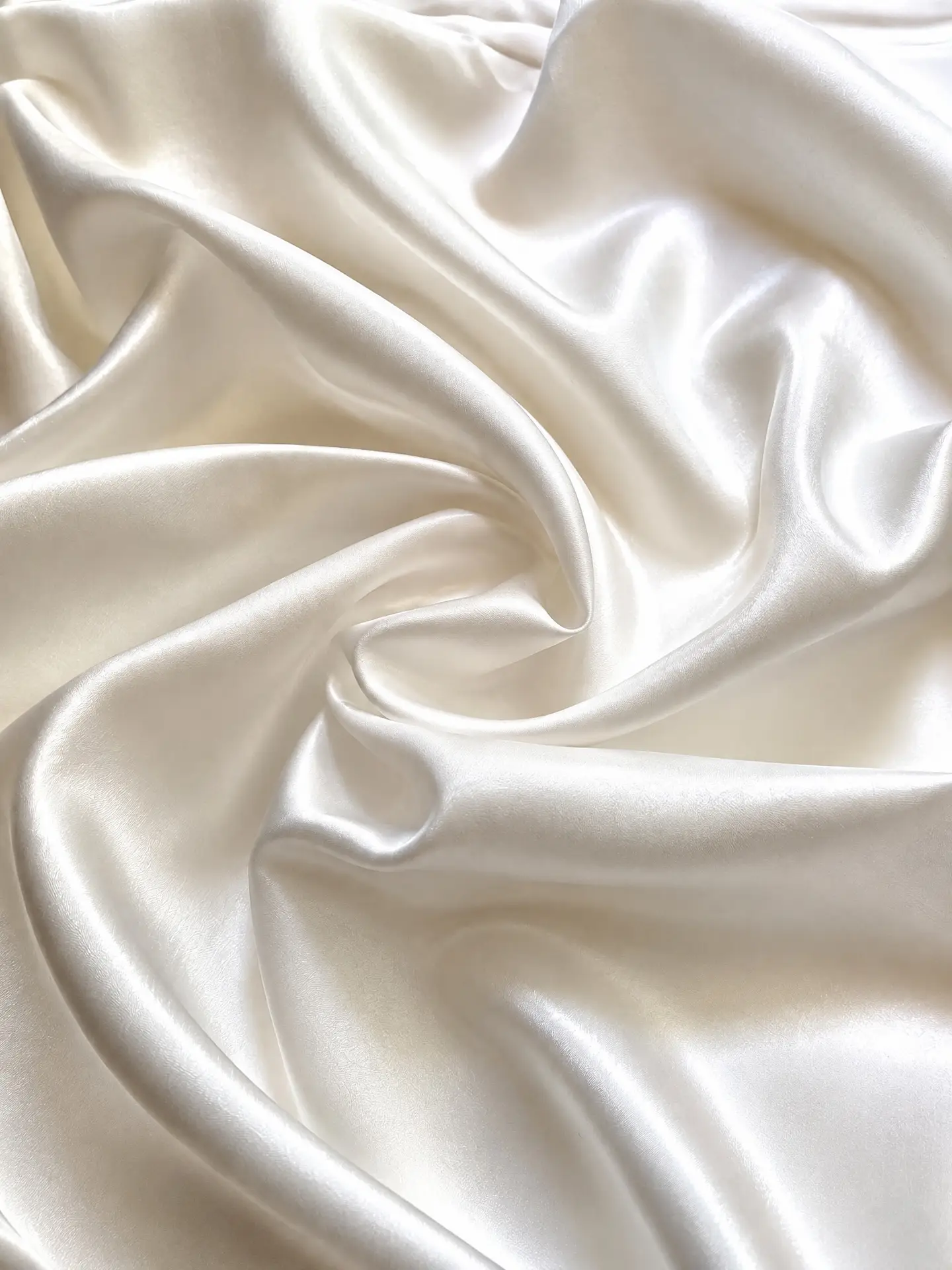
Silk also has small spaces in its natural fibers. It can absorb and move moisture. Silk does not feel sharply cold. Instead, it feels gently cool, dry, and comfortable. Its smooth surface also helps keep hair and skin from catching on the fabric when you move in your sleep.
| Material | Pros | Cons |
|---|---|---|
| Silk | Smooth, breathable, and gentle on skin and hair.Less friction and stickiness. | Needs gentle care. Usually costs more. |
| Linen | Dry and airy. Helps with sweat. | Can feel rough. Wrinkles easily. |
| Bamboo fiber | Absorbs moisture quickly. Lightly cool. | Cooling feel can vary. |
05
How to Choose the Best Silk Pillowcase for Hot Sleepers
Look for 100% mulberry silk, choose 19 momme for warm rooms and summer or 22 momme for a heavier and more durable feel, check that Grade 6A is stated together with the other details, and pick a closure that keeps the surface flat under your face. The care label then decides whether the pillowcase fits your routine.
Our guide to the best silk pillowcase explains each of these checks in detail, from reading the label to choosing a weave and a closure.
Sensoire recommends hand washing. It takes a few minutes, and it is the gentlest thing you can do for a protein fibre.
The full method, including how often to wash each silk item, is in our guide to how to wash silk pillowcases and bedding.
06
Cooling Pillowcase FAQs for Hot Sleepers
1. Can a Silk Pillowcase Help If You Sleep Hot?
A silk pillowcase can help the surface of your pillow feel smoother, drier, and less sticky. It can absorb moisture and reduce friction on your skin and hair. However, it will not cool your whole bed or lower the room temperature.
2. What Is the Coolest Pillowcase Material for Hot Sleepers?
Silk feels gently cool and very smooth. It is a good choice for people who want a soft feel on the skin and less friction for their hair. Linen may feel cooler and airier. Bamboo fiber can feel cool because it absorbs moisture and dries quickly. But neither feels as smooth as silk.
3. Do Cooling Pillowcases Really Work?
They can help with heat and moisture at the surface of the pillow. Breathable fabrics can reduce the warm, sticky feeling on your face and neck. But your pillow, bedding, and room temperature also affect how warm you feel at night.
4. Is Silk or Satin Better for Hot Sleepers?
Silk is a natural fiber that can absorb moisture and allow air to move through. It also has a smooth surface that helps reduce friction on skin and hair. Satin can feel smooth too, but its breathability depends on the fiber used.
5. How Do You Choose a Silk Pillowcase for Hot Sleepers?
Look for 100% silk or 100% mulberry silk. For a lighter feel, 19 momme is a good choice for warm rooms and summer. Also check the care instructions, since silk needs gentle washing and drying.
From the collection

19 or 22 Momme · Grade 6A
Pure Mulberry Silk Pillowcase, Envelope Closure
View
Silk Face · Tencel Reverse
Mulberry Silk and Tencel Dual-Sided Pillowcase
View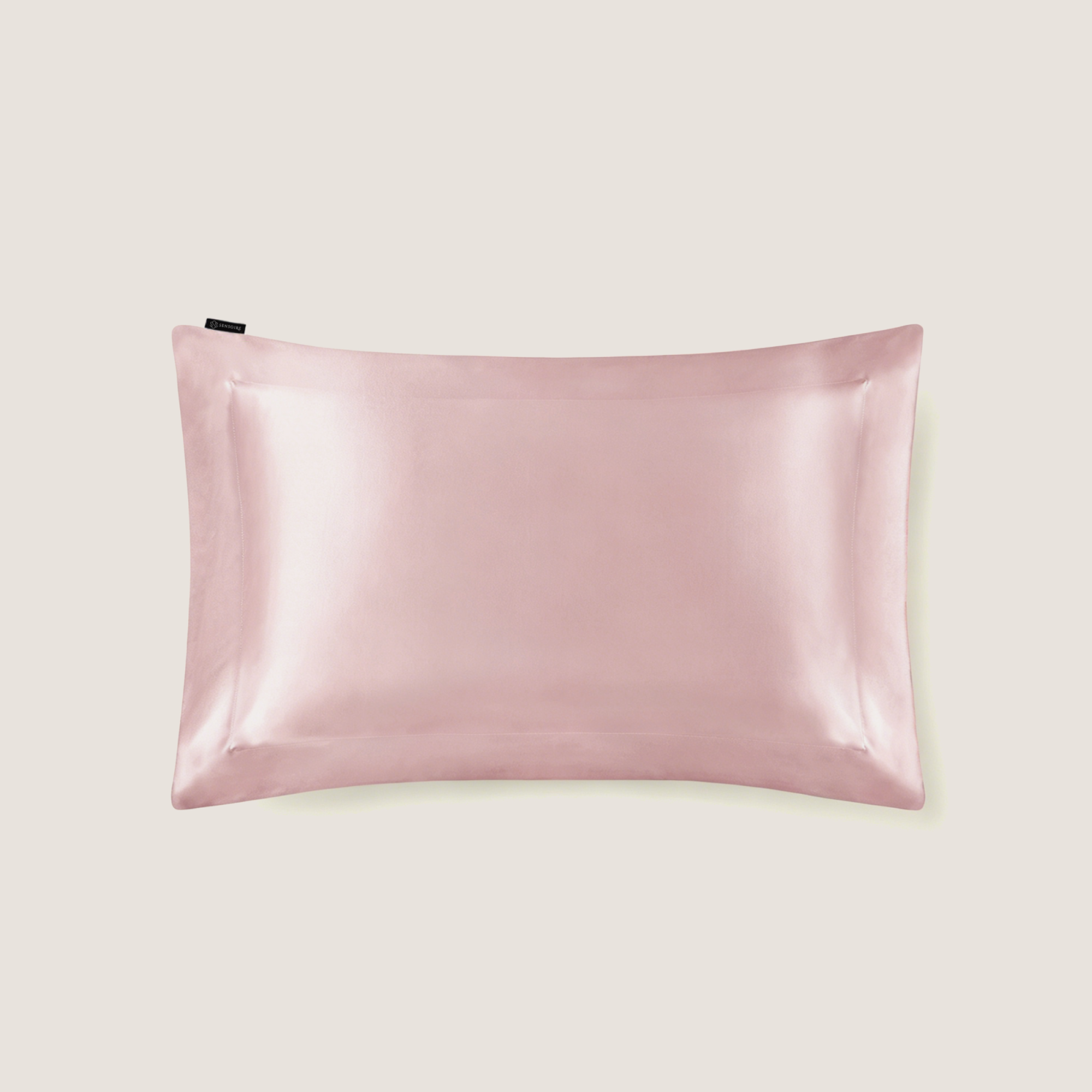
19 or 22 Momme · Oxford Border
Tailored Oxford Silk Pillowcase
View
Full Bed · Mulberry Silk