


LinenvsCotton Sheets Nine differences that change how you sleep
Linen vs cotton sheets: a practical comparison of feel, airflow, moisture, care and long-term value, with a clear way to choose for your own bedroom.
Linen suits an airy, dry, gently textured bed. Cotton spans crisp percale to smooth sateen, and usually starts more affordably. The right choice follows how you sleep, not a universal ranking.
Fibre and weave
A fibre name does not describe a finished sheet. Yarn size, weave, fabric weight, finishing and washing all change the result. A loose cotton percale can feel fresher than a dense linen, while a well-washed linen can feel more relaxed than a heavily finished cotton. Our guide to choosing linen bedding covers GSM, blends and washed finishes.
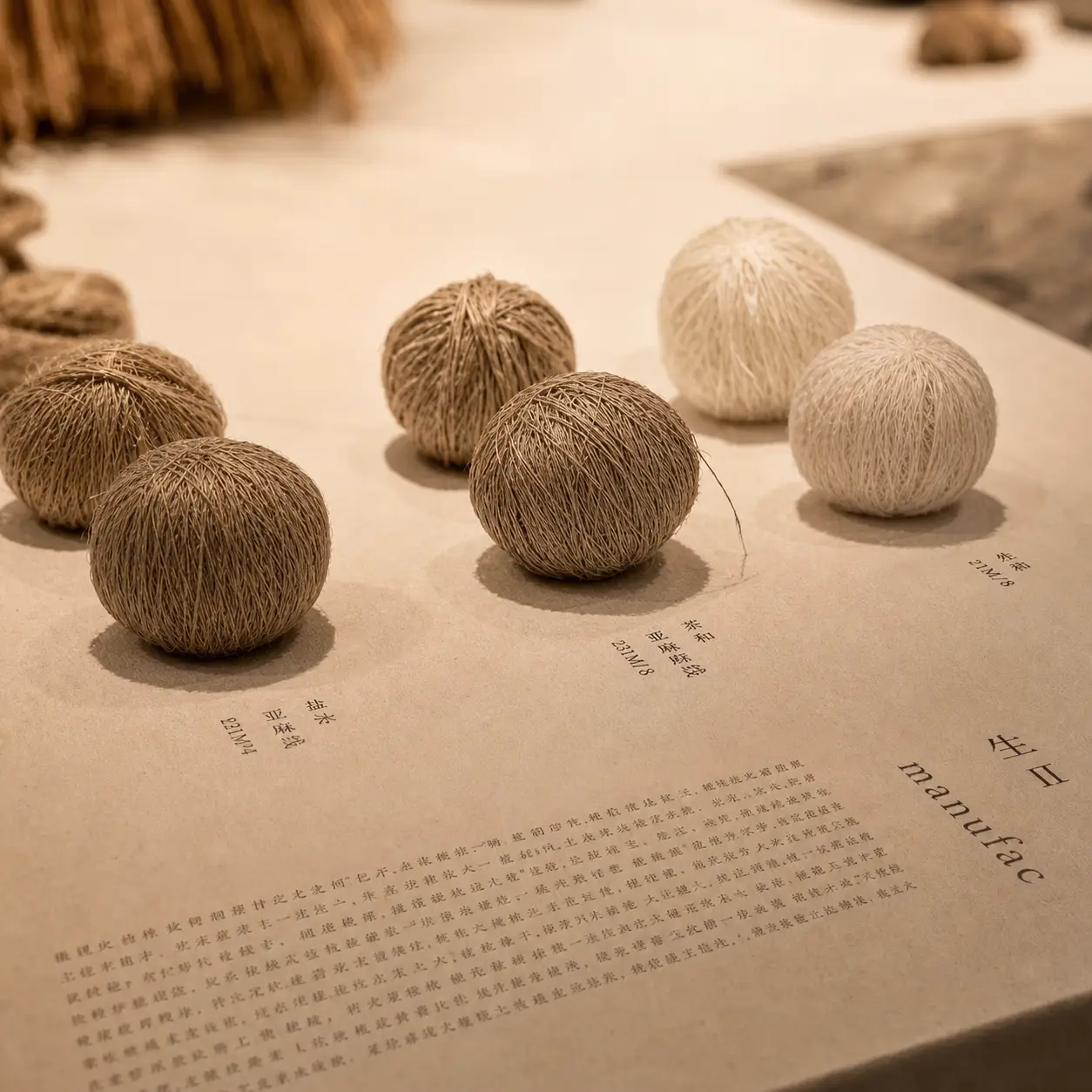
Linen and cotton are not two versions of one cloth
Both are plant fibres, but from different parts of different plants. Cotton is gathered from the bolls of the cotton plant. Linen is made from flax bast fibres taken from the stem. Fibre origin alone does not settle the comfort question.
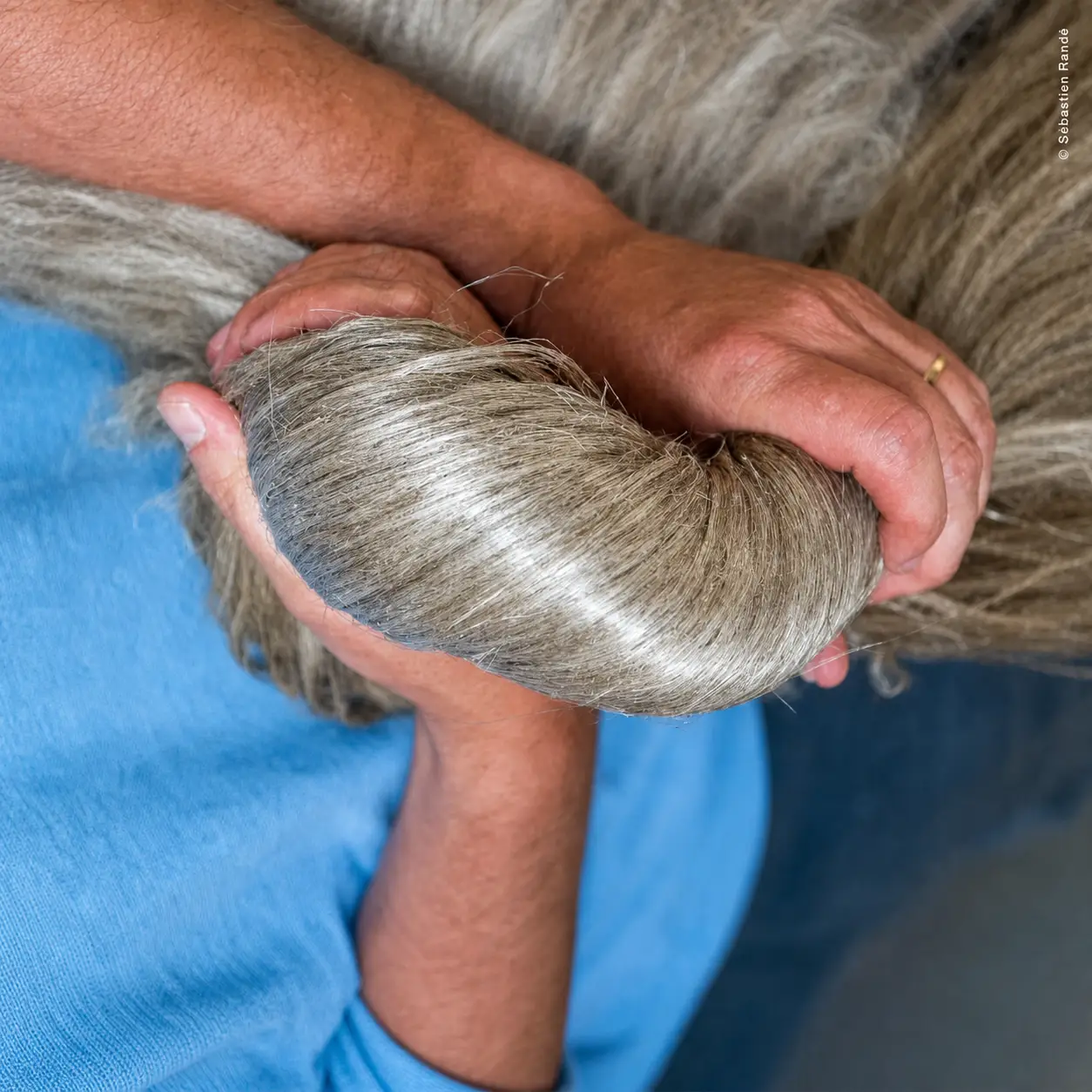
Flax fibres are long and firm, which gives linen its recognisable texture. Cotton spins and weaves many ways, so cotton sheets cover a far broader range of handles and appearances.
Construction changes the result
Percale is a plain weave, smooth and slightly crisp. Sateen uses longer floats for a smoother, more lustrous face. Two all-cotton sheets can feel very different. Linen also varies by yarn thickness, weave density, finishing and whether it is pre-washed.
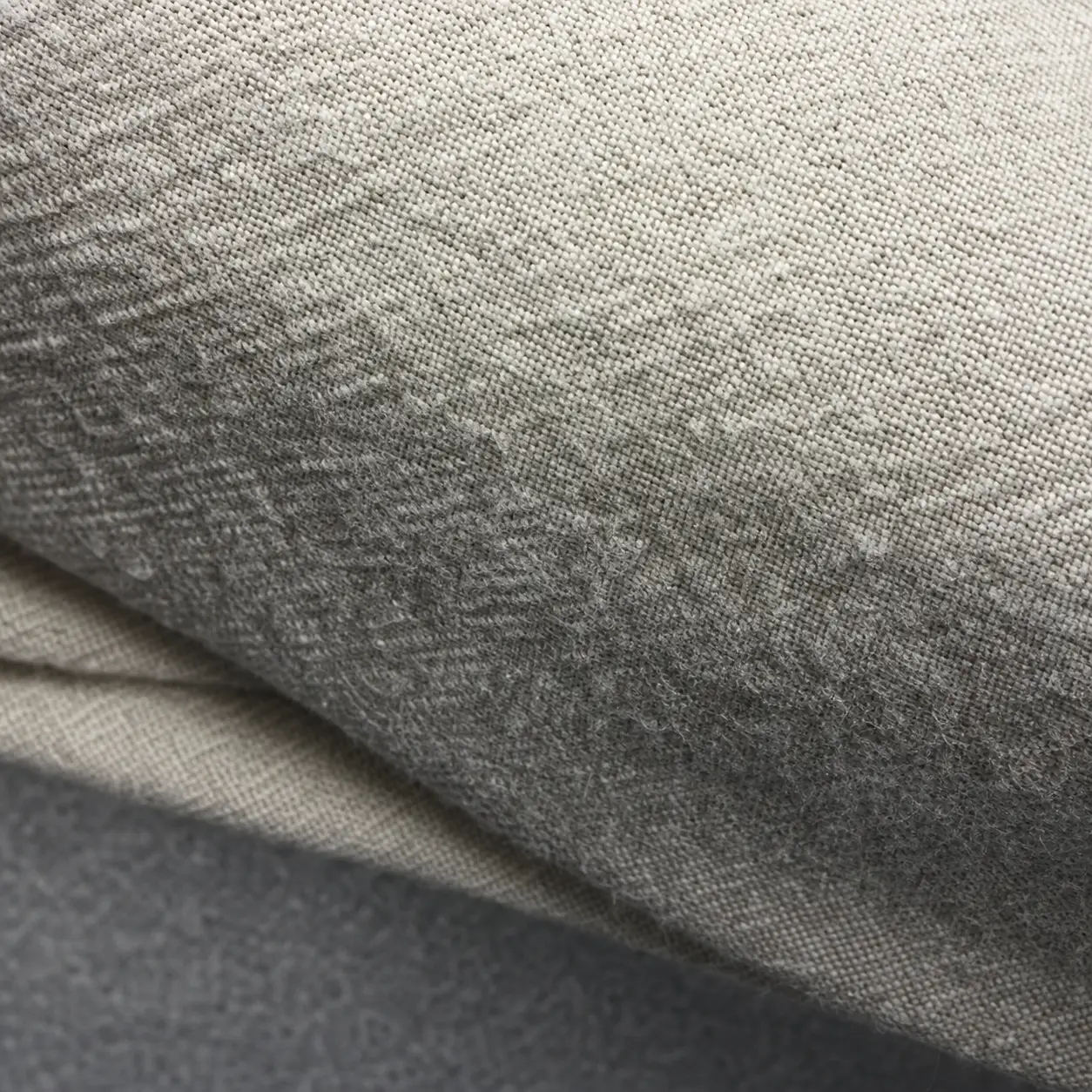
Thread count can describe part of a cotton fabric, but it is not a universal quality score and a poor shortcut for comparing cotton with linen. For both fibres, a clear specification and the feel of the finished cloth matter more than one large number.
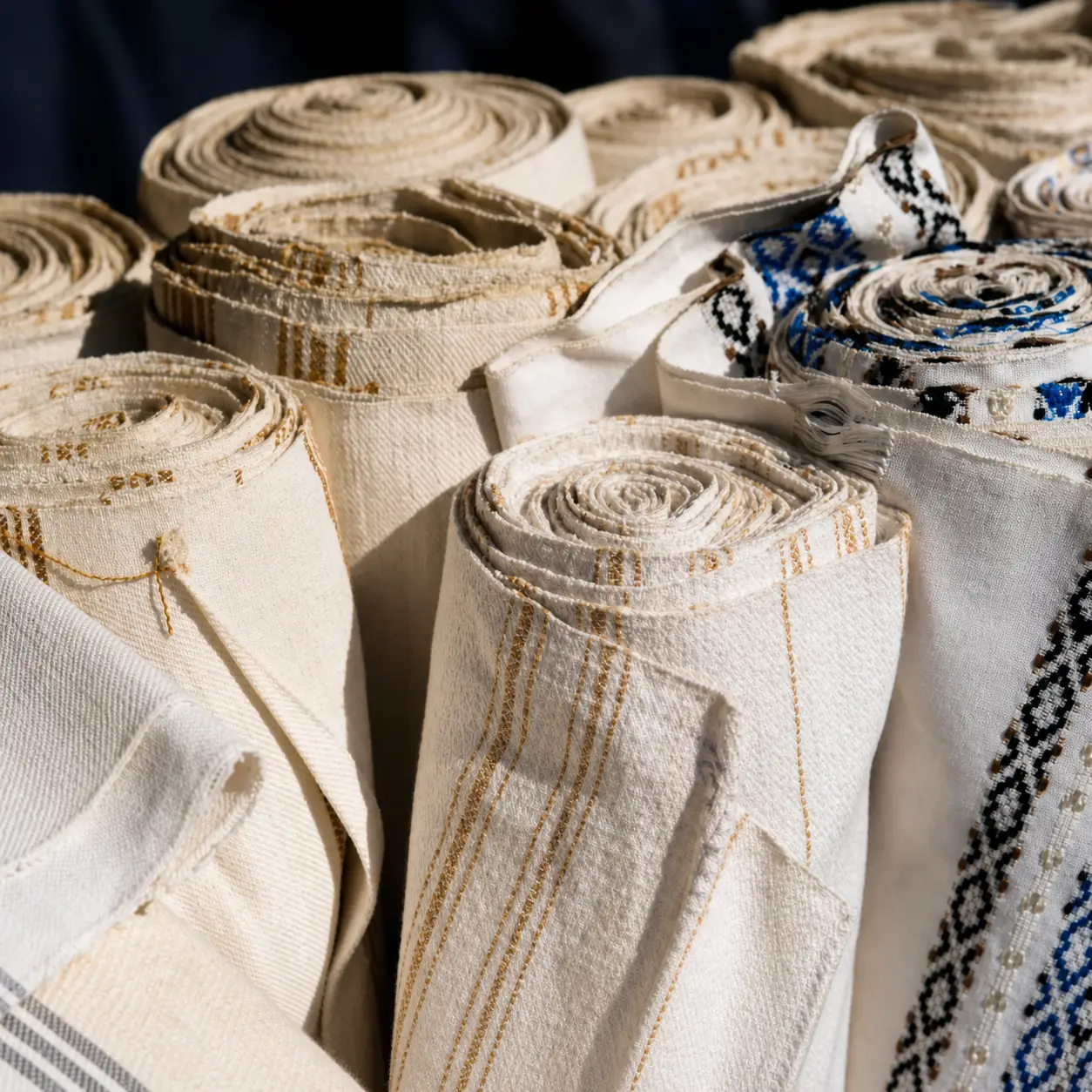
Four decisions that matter at bedtime
Before comparing every technical detail, decide what you want your bed to do.
First-night feel
Cotton is the safer choice when immediate smoothness is the priority. Sateen feels fluid and sleek, percale cleaner and crisper. New linen has a drier, more tactile hand. It relaxes with use, but it does not become sateen.
Dislike any irregularity against the skin? Sample linen first. Enjoy texture and a bed that looks lived in? That character is the point.
Your sleep microclimate
Heat, humidity, airflow and moisture movement shape the small climate between your body and the bedding. Linen is often chosen for warm or humid rooms. Cotton is naturally absorbent and can feel breathable, especially in a lighter percale.
Absorbency is not quick drying. Wicking is not air permeability. The finished fabric decides how these combine.
Care and appearance
Both wash easily when the care label is followed. Linen's practical difference is aesthetic: it creases readily, and its relaxed folds are part of the look. Cotton includes finishes that present more smoothly.
Gentler washing, moderate spin and line drying or a lower tumble temperature reduce unnecessary stress on either fabric.
Cost over time
Cotton has the broader price spectrum. Linen commonly starts higher because production is more specialised. That does not automatically make every linen sheet better value.
Think in cost per comfortable night, not price alone. A set used for years can justify a higher entry price, linen or cotton.
Linen vs cotton sheets: nine differences, side by side
- Bast fibre from flax stemsFibre source01Seed fibre from cotton bolls
- Dry, tactile, sometimes firmNew-sheet feel02Smoother; percale crisp, sateen sleek
- Relaxes into a softer patinaAfter washing03Varies by fibre, weave and finish
- Often airy and visibly texturedAir movement04Open percale to denser sateen
- Often spreads moisture readilyMoisture05Absorbs; movement and drying vary
- Feels balanced as conditions shiftThermal feel06Can feel crisp or more cocooning
- Relaxed, matte, naturally creasedAppearance07Crisp matte to a subtle sheen
- Creasing is normal; avoid harsh heatMaintenance08Familiar care; gentler for fine cloth
- Higher typical entry priceBuying value09Wider choice of prices and weaves
Read this as a map of tendencies, not a scoreboard. The construction and finishing of a specific sheet can move it well away from the typical position of its fibre.
No single fibre wins every test.
Linen vs cotton, at a glance
| The difference | Linen | Cotton |
|---|---|---|
| Fibre source | Bast fibre from flax stems | Seed fibre from cotton bolls |
| New-sheet feel | Dry, tactile, sometimes firm | Smoother; percale crisp, sateen sleek |
| After washing | Relaxes into a softer patina | Varies by fibre, weave and finish |
| Air movement | Often airy and visibly textured | Open percale to denser sateen |
| Moisture | Often spreads moisture readily | Absorbs; movement and drying vary |
| Thermal feel | Feels balanced as conditions shift | Can feel crisp or more cocooning |
| Appearance | Relaxed, matte, naturally creased | Crisp matte to a subtle sheen |
| Maintenance | Creasing is normal; avoid harsh heat | Familiar care; gentler for fine cloth |
| Buying value | Higher typical entry price | Wider choice of prices and weaves |
On reading the lab charts
What the charts can and cannot tell you
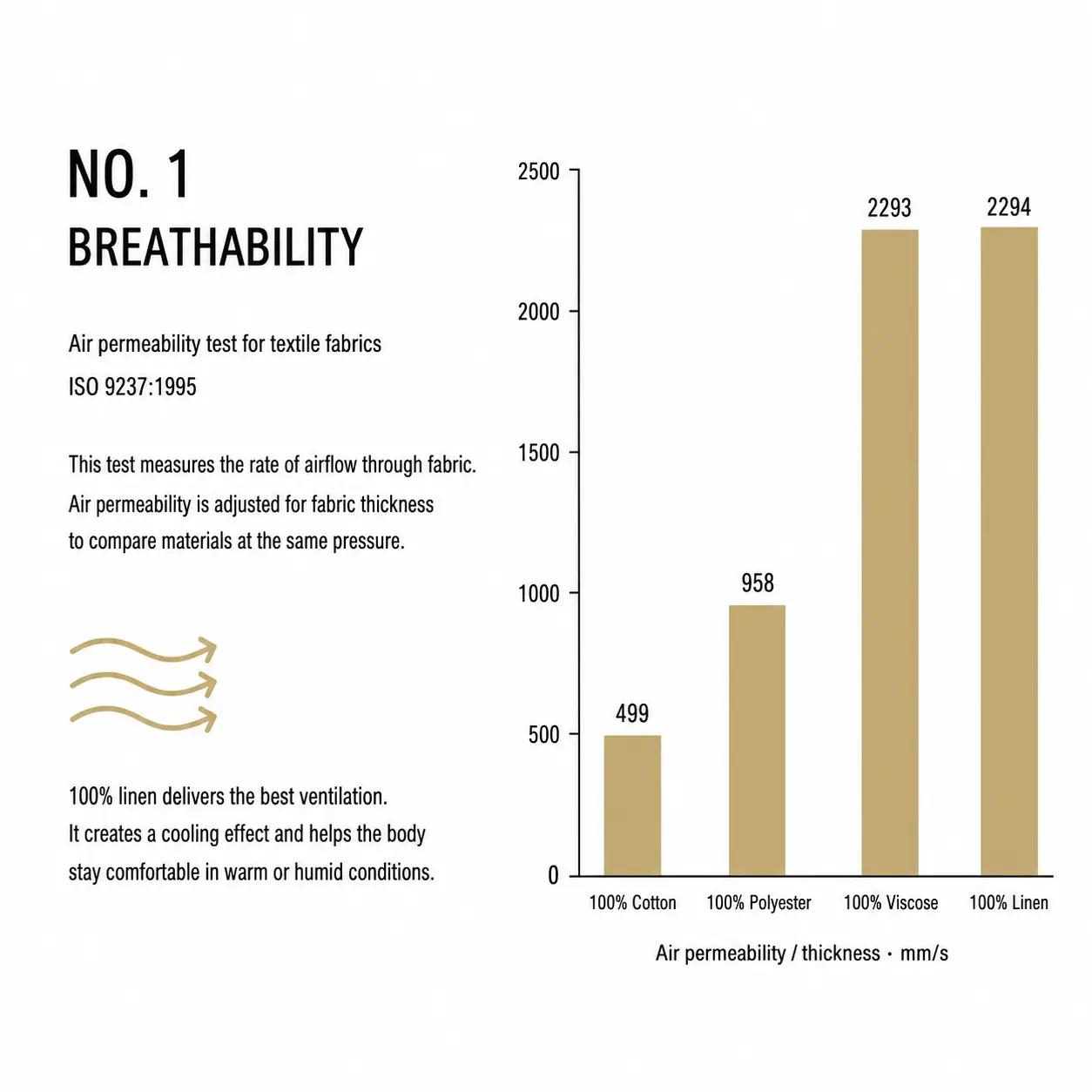
Textile tests are useful because they separate behaviours that marketing language blends together. ISO 9237 measures air permeability. ISO 11092 measures thermal and water-vapour resistance under controlled conditions. AATCC methods separate how much liquid a fabric takes up from how it moves that liquid. Read each on its own, then compare, rather than merging them into one score.
Air permeability, by ISO 9237, depends on the whole construction of the tested fabric, not the fibre name. The tested linen samples read well here, but one specimen does not speak for every bedding fabric.
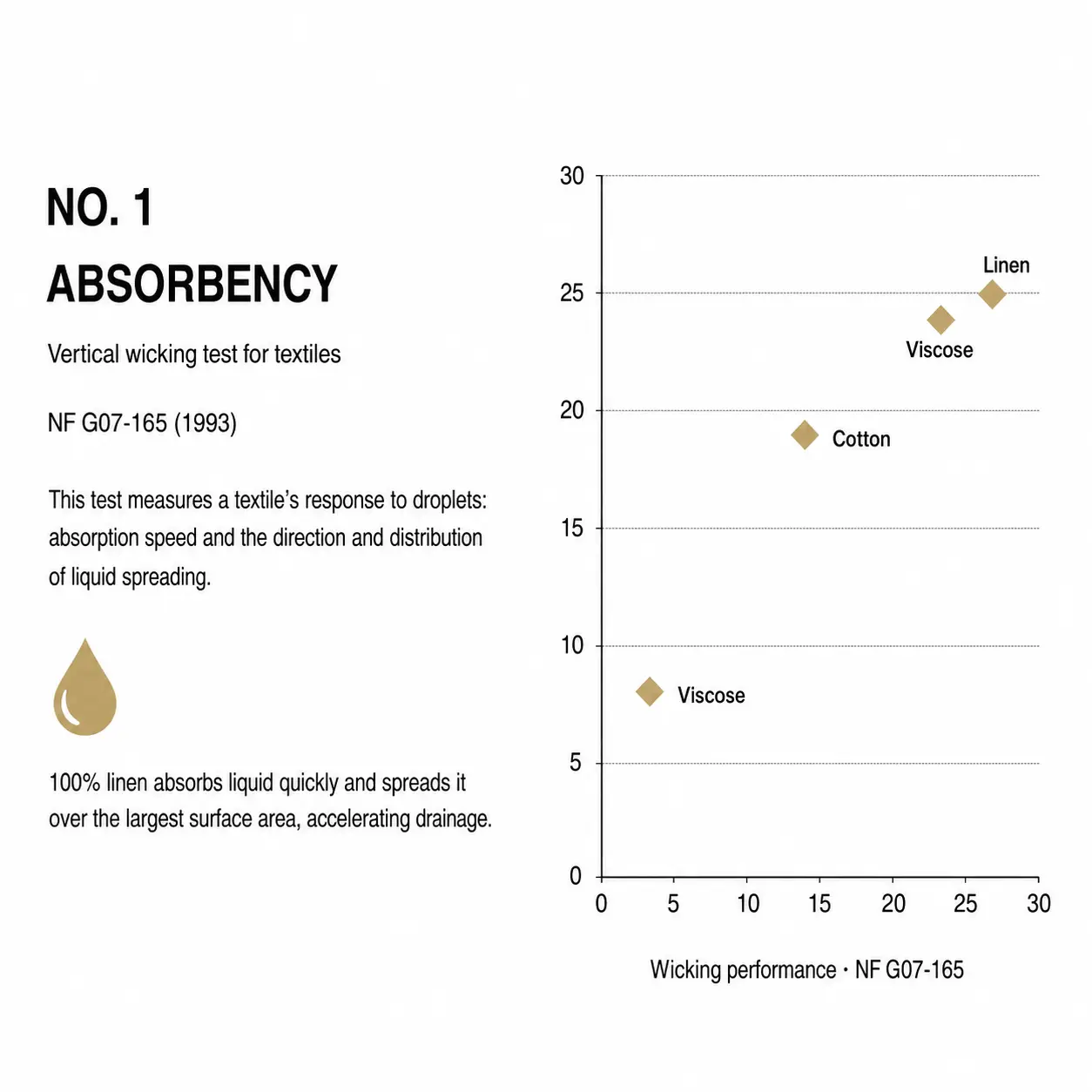
Absorbency and wicking are different behaviours. AATCC methods separate how much liquid a fabric takes up from how it moves that liquid across and through the cloth, so a fabric can lead on one and not the other.
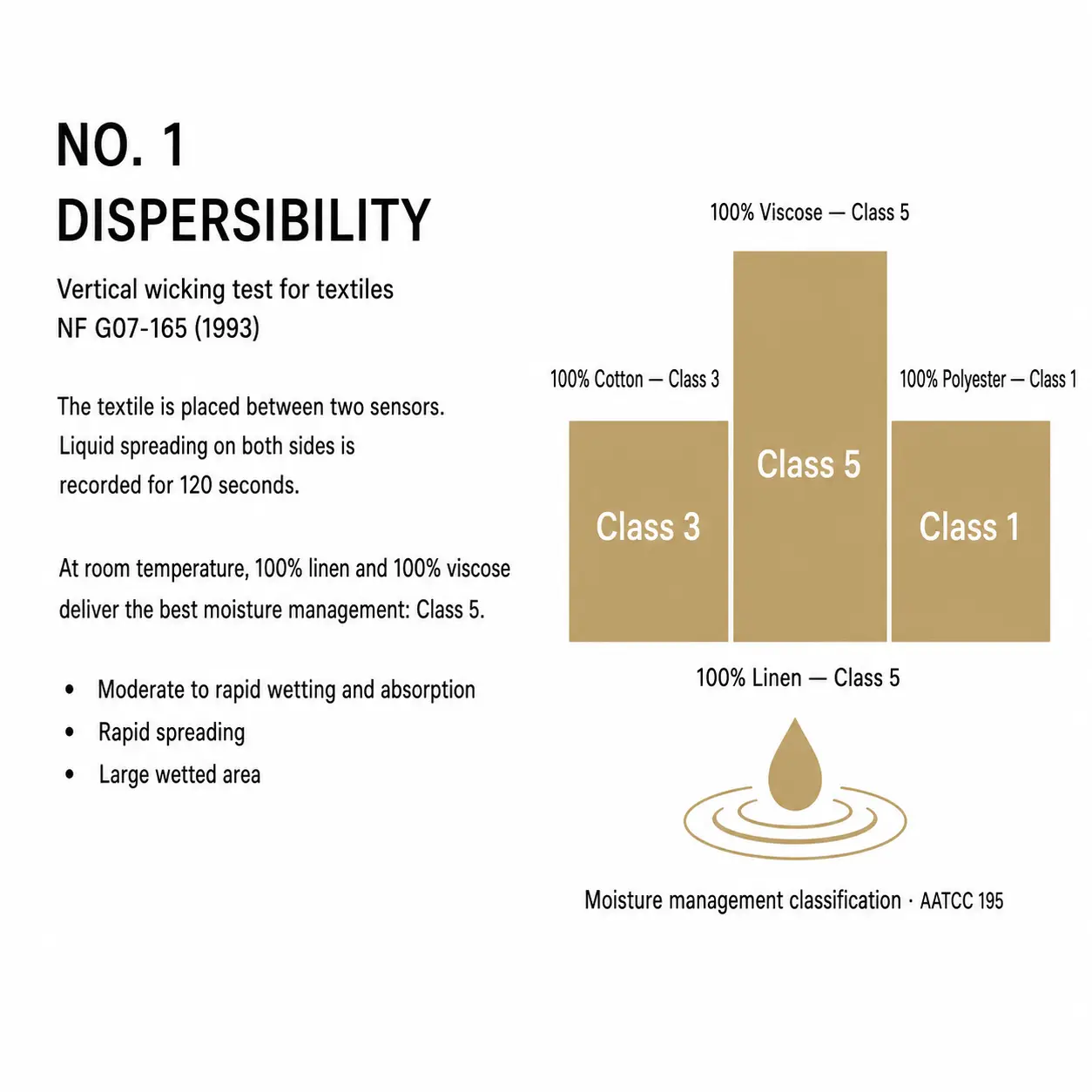
Moisture dispersibility describes how readily moisture spreads through the tested cloth. A high class is encouraging for a warm, humid bed, though it still describes one specimen rather than a whole category.
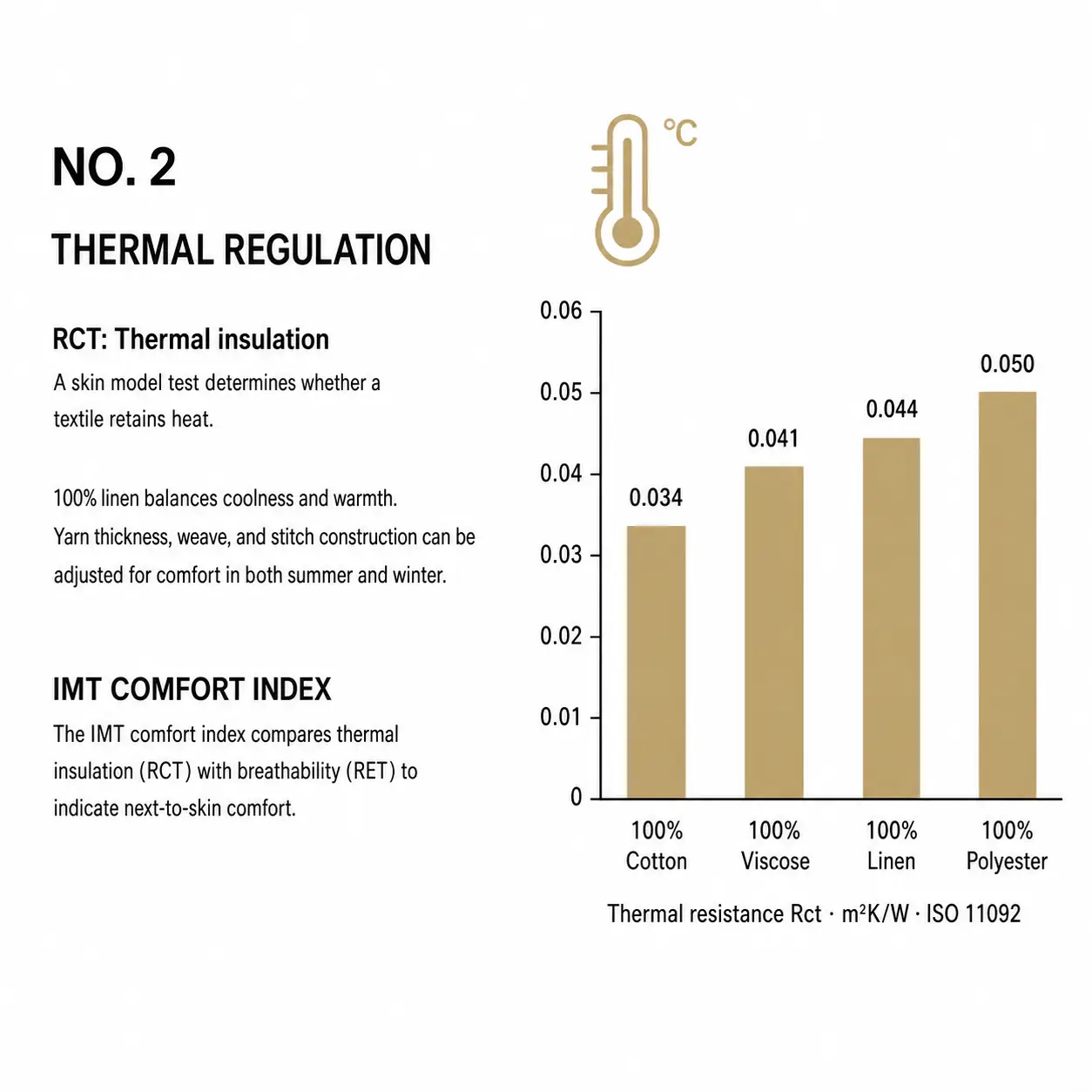
Thermal resistance, by ISO 11092 on a controlled hotplate, is one useful number. It is not a full prediction of how a made-up bed feels across a night, because it isolates the fabric from the rest of your sleep setup.
The chart values, in one table
| What was measured | Test standard | 100% linen | 100% cotton | 100% viscose | 100% polyester |
|---|---|---|---|---|---|
| Air permeability, mm/s (adjusted for thickness) | ISO 9237:1995 | 2294 | 499 | 2293 | 958 |
| Thermal resistance Rct, m²K/W | ISO 11092 | 0.044 | 0.034 | 0.041 | 0.050 |
| Moisture management class | AATCC 195 | Class 5 | Class 3 | Class 5 | Class 1 |
Higher air permeability means more air passes through the fabric. A higher Rct means the fabric holds more heat. The values are for the tested specimens in Fig. 05, 07 and 08. Wicking results are shown in Fig. 06.
Keep the limits in view. ISO also notes that controlled hotplate measurements do not prescribe physiological comfort. Your duvet, mattress protector, nightwear, room humidity and personal temperature regulation all shape the experience.
Linen vs cotton duvet covers: which is better?
The duvet cover is the layer on top of everything. It holds the duvet, rests against you on cooler nights and decides how the bed looks, so it is where the difference between linen and cotton shows most. A linen duvet cover lets air and moisture move through more freely than a dense cotton one, drapes more heavily over the duvet and looks finished without ironing. A cotton cover is smoother and lighter from the first night, and costs less.
Swipe the table to see every column
| Linen duvet cover | Cotton duvet cover | |
|---|---|---|
| Over a warm duvet | The open weave lets warmth and moisture escape, so the bed stays drier. | A dense percale or sateen keeps more warmth under the cover. |
| Drape | Heavier; settles over the duvet in soft folds. | Lighter; percale stays crisp, sateen falls with a sheen. |
| Look | Relaxed and creased by nature, no ironing needed. | Smooth if ironed; creases show. |
| First night | Drier and more textured; softens with every wash. | Smooth from the start. |
| Washing | Cool, gentle wash; dries quickly. | Tolerates hotter washes; dries more slowly. |
| Price | Higher. | Lower. |
For a duvet cover, linen makes most sense if you sleep warm under a heavier duvet, or want a bed that looks made without an iron. Cotton is the better pick if you like a smooth, crisp cover and do not mind ironing it, or want a light cover for a thin summer duvet.
Choose the cover by the size of your duvet, not your mattress. The Sensoire linen duvet cover set comes in seven sizes from 135 x 200 to 260 x 240 cm, with four inner corner ties that hold the duvet in place and a button closure.
Which should you choose?
Choose linen if
- You sleep warm or in a humid climate and want moisture to spread.
- You like a tactile, matte surface and relaxed folds.
- You want bedding that grows more personal with use.
- You judge value over time, not by entry price alone.
Choose cotton if
- You want a smooth feel from the very first night.
- You prefer a wide range of prices, colours and weaves.
- You already enjoy crisp percale or smooth sateen.
- You want a familiar material that is easy to coordinate.
Still unsure?Compare percale and linen directly. If you are a hot sleeper wary of linen's texture, percale gives you a crisp, plain-woven cotton, while linen gives you a drier, more irregular hand. Trying both is the fastest way to learn your own preference.
A five-minute buying check
- Read the full fibre composition, not just the product name.
- Check the weave, fabric weight and whether the cloth is pre-washed.
- Look for a care label you can realistically follow.
- Review return or trial terms, especially if texture is a concern.
- Treat thread count as one construction detail, not a verdict.
- Consider the whole sleep system, including duvet, protector and room humidity.
Frequently asked questions
Are linen sheets better than cotton for hot sleepers?
They can be, particularly for people who like a dry, airy and textured surface. Linen's moisture-spreading behaviour makes it a strong candidate, but a light cotton percale can also feel cool and breathable. Fabric weight, weave, finishing and the rest of your bedding change the outcome.
Do linen sheets get softer?
Linen usually relaxes with washing and use. The result is softer and more supple, but it keeps a tactile character. It will not feel identical to cotton sateen.
Is linen more durable than cotton sheets?
Often, yes. Flax fibres are long and firm, and a well-made linen sheet tends to hold up through many years of washing. Fibre alone does not settle it, though: yarn, weave, seams and care decide the lifespan of any sheet. Avoid harsh bleach, excessive heat and over-drying, and rotate sets to spread wear.
Which wrinkles more?
Linen develops pronounced creasing and a relaxed surface. Cotton percale can also wrinkle, while some cotton constructions and finishes look smoother. Cotton generally offers more low-crease options.
Is linen always more sustainable than cotton?
No blanket claim is responsible. Farming region, irrigation, chemical inputs, processing, dyeing, energy, transport, durability and end-of-life choices all matter. Fibre origin is only one part of a product's environmental story.
Can I use thread count to compare linen and cotton?
Not reliably. Linen yarns are often thicker, so an apparently lower count can still produce a substantial fabric. Compare the finished cloth, weight, weave and maker's specification.
If linen's texture, relaxed beauty and moisture behaviour match your preferences, explore the current Sensoire linen bedding collection.
Explore linen beddingStart with one layer
Four ways into linen
 French Flax Linen
Duvet Cover Set
Washed 180 GSM flax with two matching pillowcases.
View the set French Flax Linen
Fitted Sheet Set
The washed linen base layer, with two pillowcases.
View the set French Flax Linen
Flat Sheet Set
A light washed linen top sheet, with two pillowcases.
View the set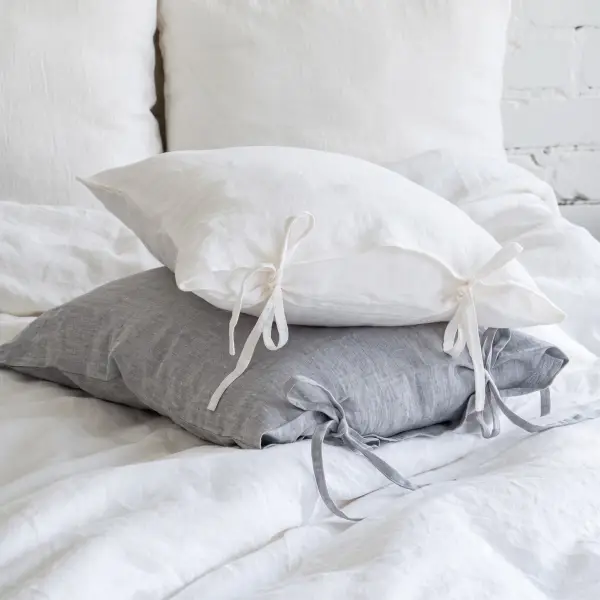 French Flax Linen
Pillowcase, Tie Closure
A single pillowcase, soft fabric ties, five quiet colours.
View the pillowcaseSources and testing references
EU textile fibre definitions (Regulation 1007/2011); ISO 9237 air-permeability method; ISO 11092 thermal and water-vapour resistance method; AATCC textile test methods; CottonWorks percale reference; Alliance for European Flax-Linen and Hemp performance overview; European Commission JRC bio-based textiles overview.
Further reading