


Fibre Guide · Hemp
Is Hemp Eco-Friendly? A Guide to Sustainable Hemp Sheets
If you are asking whether hemp is eco-friendly because you want cooler, more comfortable sheets without ignoring their environmental impact, the answer is not a simple label. The way those fibers are retted, degummed, dyed, and finished still matters. This guide follows hemp from field to fabric, compares it with marijuana, and explains what hemp sheets feel like in everyday sleep.
Quick Answer: Hemp is generally considered an eco-friendly and sustainable fiber because it grows quickly, often needs fewer chemical inputs, and produces durable material. Hemp sheets also absorb moisture and offer useful temperature regulation. Their total impact depends on farming, retting, degumming, dyeing, finishing, transport, and product lifespan. Transparent processing and long lasting quality matter as much as the crop itself.
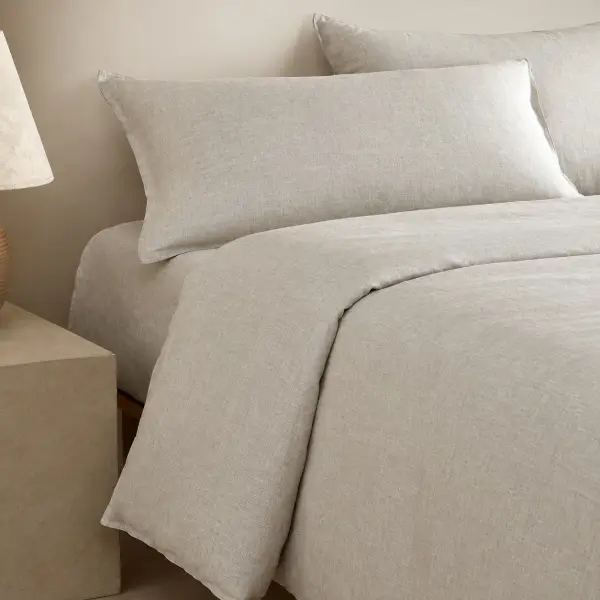
What Is Hemp? Hemp vs Linen Explained
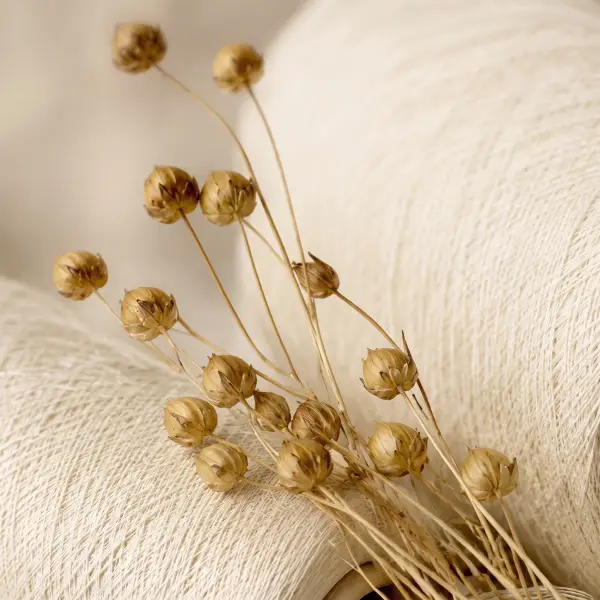
What Is Linen?
Linen is a natural fabric made from the stalk fibers of the flax plant, Linum usitatissimum. Flax belongs to the Linaceae family and is not related to hemp or other cannabis plants. Its fibers are long, strong, breathable, and naturally absorbent.
What Is Hemp?
Hemp is a type of cannabis grown for industrial purposes. It’s one of the oldest natural fibers used for textiles, with a cultivation history of at least 8,000 years. Hemp is mainly used for fiber, oil, and medicinal products.
Hemp vs Linen: Key Differences

1. Plant Source
Hemp comes from industrial hemp, which belongs to the Cannabaceae family.
Linen comes from flax, which belongs to the Linaceae family, completely different from hemp species.
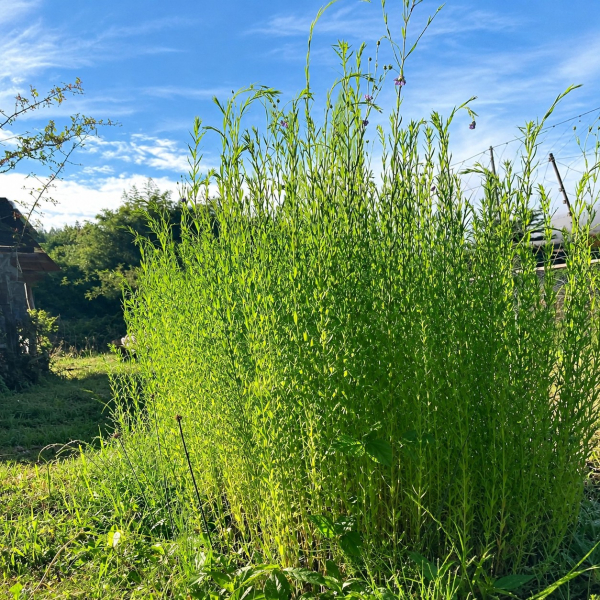
2. Plant Appearance
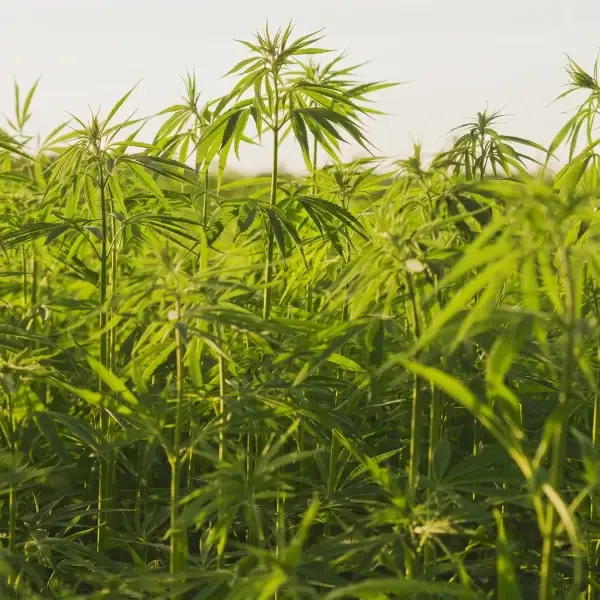
Hemp is taller, growing between 2 and 5 meters. It has thick stems and distinctive leaves.
Flax is shorter with delicate blue or white flowers.
3. Feel
Hemp fibers are strong, durable, and crisp.
Linen fibers are fine, breathable, and lightly textured.
Is Hemp Eco-Friendly and Sustainable?
Yes. Industrial hemp is a robust crop which grows readily in most temperate climates with fewer chemical treatments. In the Stockholm Environment Institute comparison below, hemp had the smallest ecological footprint of the five cases, less than half that of cotton, because it yields more fiber per hectare. On carbon dioxide, hemp emitted less than conventional cotton and about half as much as polyester, while organic cotton grown in Punjab came out slightly lower, as its low-input farming used the least energy. The final impact of hemp bedding also depends on how the fiber is processed, dyed, and finished.
Carbon Dioxide Emissions
Tonnes CO2 per Tonne Spun Fibre
Ecological Footprint
Global Hectares per Tonne Spun Fibre
Org. = organic · trad = traditional processing
Chart data
| Case study | Tonnes CO2 per Tonne Spun Fibre | Global Hectares per Tonne Spun Fibre |
|---|---|---|
| Org. hemp trad | Tonnes CO2 per Tonne Spun Fibre 3.7 | Global Hectares per Tonne Spun Fibre 1.5 |
| Hemp trad | Tonnes CO2 per Tonne Spun Fibre 4.1 | Global Hectares per Tonne Spun Fibre 1.6 |
| Polyester Europe | Tonnes CO2 per Tonne Spun Fibre 7.2 | Global Hectares per Tonne Spun Fibre 1.7 |
| Org. Cotton Punjab | Tonnes CO2 per Tonne Spun Fibre 3.6 | Global Hectares per Tonne Spun Fibre 3.3 |
| Cotton Punjab | Tonnes CO2 per Tonne Spun Fibre 4.7 | Global Hectares per Tonne Spun Fibre 3.6 |
Why Is Hemp Considered an Eco-Friendly Crop?
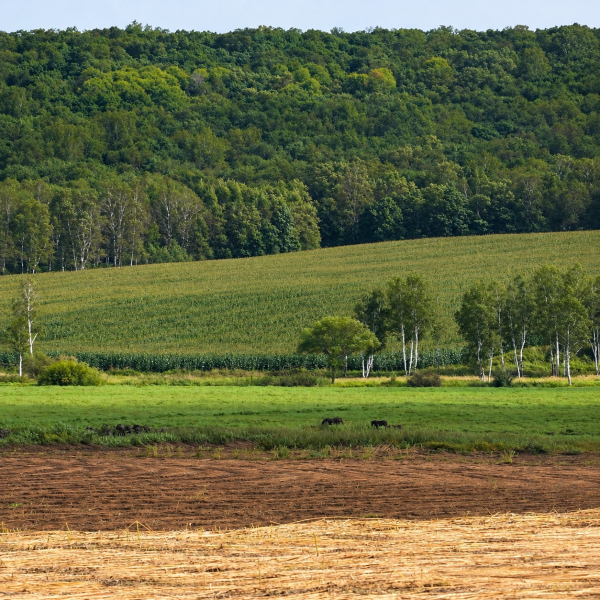
Hemp doesn’t compete with food, cotton, or oil crops for farmland. It can grow in poor or saline soil. Its roots improve soil oxygen levels and fertility, while its leaves can break down and return nutrients to the soil.
Fewer Chemical Inputs in Hemp Fiber Processing
Hemp is relatively resistant to pests. It requires little to no chemical treatment. However, there are different degumming methods during fiber production. It’s important to look for hemp sheets that avoid unnecessary chemical additives.
Why Is Hemp Sustainable? Efficient Use of Resources
Hemp has a growing period of about 120 days and produces a high biomass yield. Each acre can produce more than 600 kg of bast fiber, with yields reaching up to 1,200 kg. Its bast, woody core, flowers, leaves, and roots are all useful.
Hemp’s Lower Carbon Footprint
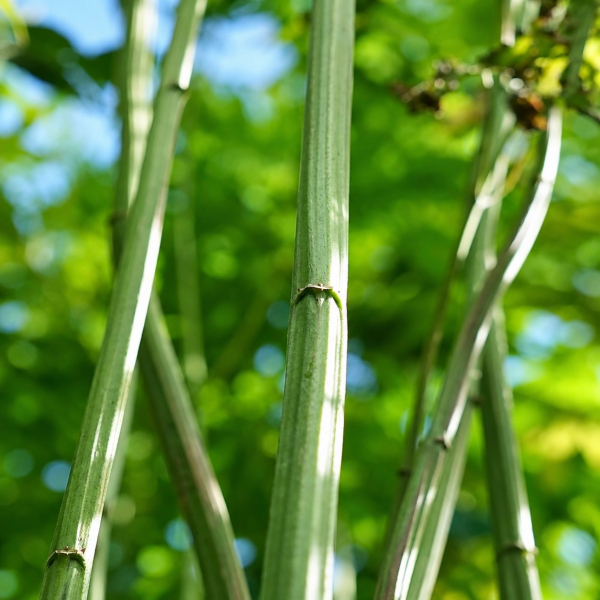
From planting to harvest, each ton of hemp produces about 544 kg of CO2, compared with 1,680 kg for cotton. Synthetic fibers can produce 10 to 20 times more CO2 than natural fibers.
Hemp also absorbs and stores CO2 through photosynthesis. One hectare of hemp can store around 20 tons of CO2 in its biomass during a 100 day growing cycle.
Hemp Sheet Durability and Product Lifespan
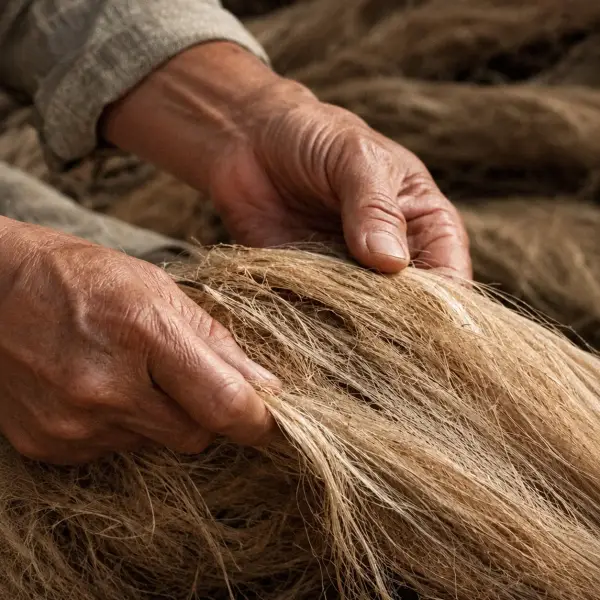
Hemp fibers are known for their strength. A well made hemp sheet can become softer with washing and lasts for many years with proper care. A longer product lifespan means less frequent replacement, which is an important part of sustainability.
How Is Hemp Fabric Made?
Hemp’s environmental benefits extend beyond cultivation and harvesting. Its textile production also follows low carbon, environmentally responsible, and sustainable principles.
1. Growing Hemp for Fiber
Hemp for textiles is planted densely so the plants grow tall and straight. This encourages longer, finer fibers that are better suited to bedding fabrics.
2. Harvesting Hemp Fiber
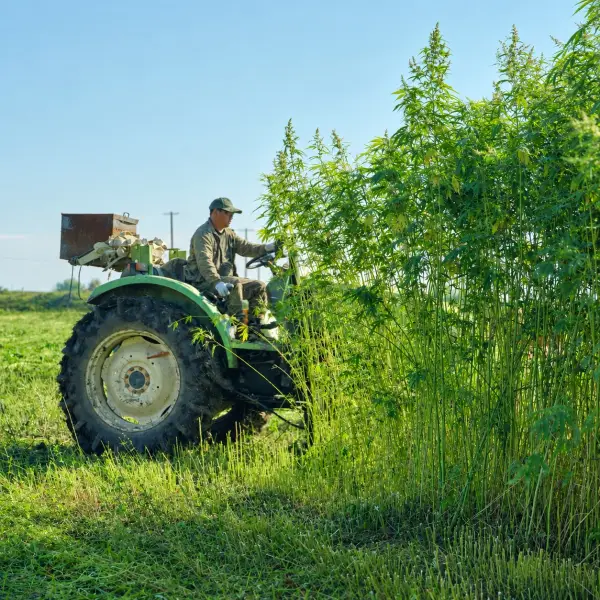
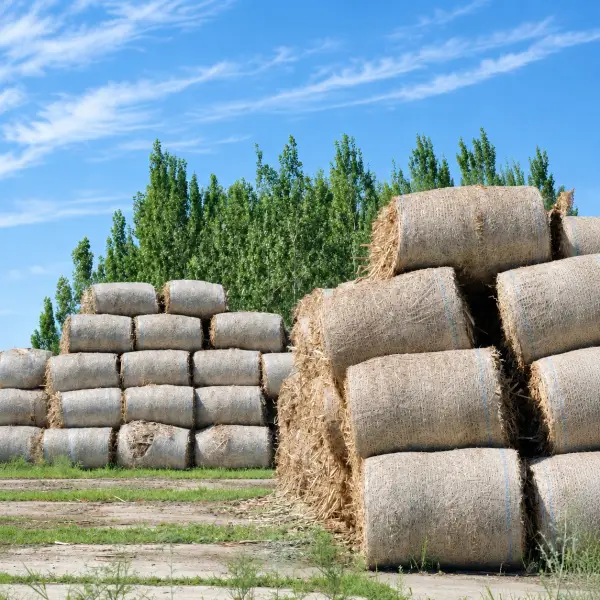
The stalks are usually harvested after flowering and before seeds fully develop, when the fibers are still finer and stronger.
3. Retting Hemp Fibers
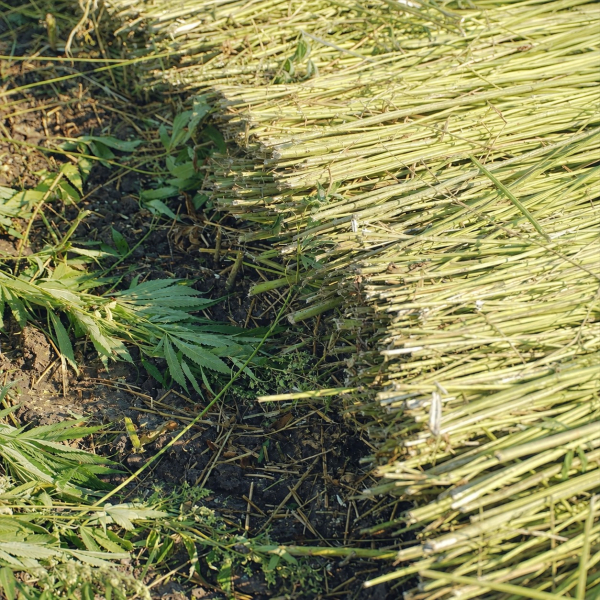
The harvested stalks require retting to loosen the fibers that are tightly bound inside the hemp stalks. Different methods cause different environmental impacts.
| Method | Process | Pros | Cons |
|---|---|---|---|
| Dew retting(Sensoire) | ProcessHemp stalks on the field. | ProsLow chemical input | ConsWeather reliant; long duration |
| Water retting | ProcessStalks submerged in the water. | ProsConsistent fiber quality | ConsCan pollute water |
| Enzymatic retting | ProcessCommercial pectinase added under controlled conditions. | ProsControllable process | ConsHigher cost |
4. Separating Hemp Bast Fibers
The stalks are crushed and beaten to separate the soft outer bast fibers from the woody inner core.
5. Degumming Raw Hemp Fiber
The separated raw bast fibres require degumming to improve softness and spinnability. Different methods create different environmental impacts.
| Method | Process | Pros | Cons |
|---|---|---|---|
| Chemical Degumming | ProcessBoil bast fibre in hot NaOH; wash and bleach. | ProsFits mass production | ConsHigh energy use; polluted wastewater |
| Physical Degumming | ProcessUltrasound or high-pressure steam breaks gum structure. | ProsFewer chemicals; fast treatment | ConsNot ideal for fine bedding fibre |
| Enzymatic Degumming | ProcessAdd mixed pectin enzymes under mild temperature | ProsGentler to fibres; lower pollution | ConsExpensive enzyme |
Sensoire uses natural dew retting, followed by mechanical separation and enzymes for degumming. This approach is environmentally responsible while producing consistent and long hemp fibers.
6. Combing and Preparing Hemp Fibers
The fibers are combed to remove remaining woody pieces and align them into long, continuous strands.
7. Spinning Hemp Yarn
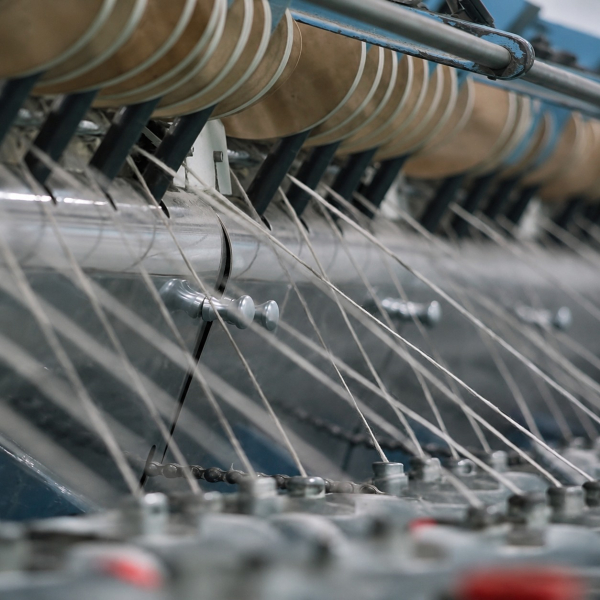
The prepared fibers are drawn out, twisted, and spun into yarn. Wet spinning is often used to create a smoother and finer yarn for soft hemp sheets.
8. Weaving and Finishing Hemp Fabric
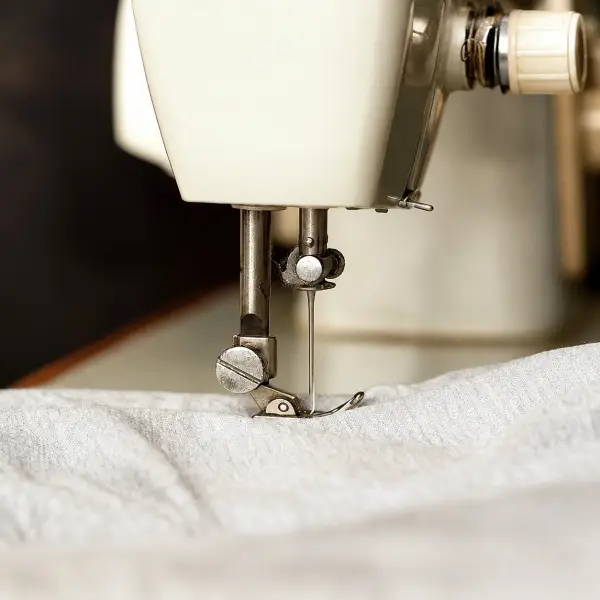
The yarn is woven into hemp fabric, then washed and softened. The finished fabric is cut and sewn into hemp bedding, such as sheets, pillowcases, and duvet covers.
Are Hemp Sheets Good for Sleep?
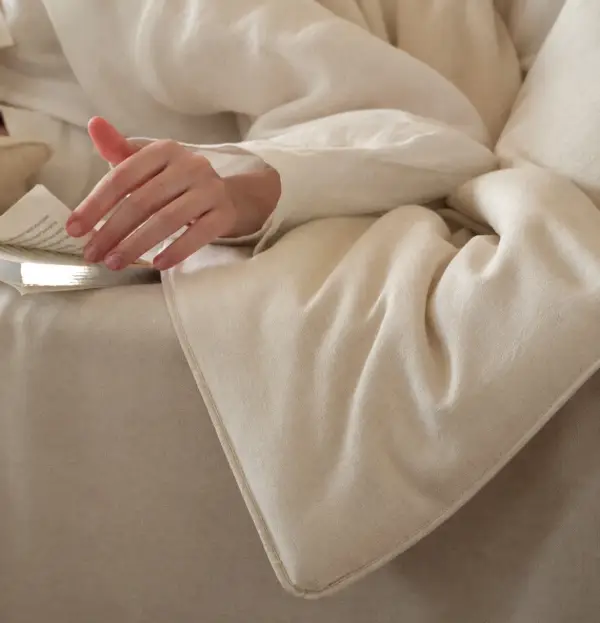
Hemp sheets are a good choice for sleep, especially if you value natural moisture management and a more temperature stable feel.
The hemp sheets we make are woven from 100% hemp, OEKO-TEX certified and offered in Natural and White: see the full hemp sheets collection.
| Fiber | Thermal Conductivity (W/m·K) | Thermal Resistance (m²·K/W × 10⁻³) | Air Permeability (mm/s) | Water Vapor Resistance (m²·Pa/W) | Moisture Regain (%) | Surface Friction Coefficient |
|---|---|---|---|---|---|---|
| Hemp | Thermal Conductivity (W/m·K)0.022 | Thermal Resistance (m²·K/W × 10⁻³)22.0 | Air Permeability (mm/s)620 | Water Vapor Resistance (m²·Pa/W)2.9 | Moisture Regain (%)12.0 | Surface Friction Coefficient~0.45 |
| Jute | Thermal Conductivity (W/m·K)0.035 | Thermal Resistance (m²·K/W × 10⁻³)20.0 | Air Permeability (mm/s)600 | Water Vapor Resistance (m²·Pa/W)3.0 | Moisture Regain (%)13.5 | Surface Friction Coefficient~0.5 |
| Organic Cotton | Thermal Conductivity (W/m·K)0.031 | Thermal Resistance (m²·K/W × 10⁻³)19.0 | Air Permeability (mm/s)695 (dry) | Water Vapor Resistance (m²·Pa/W)2.8 | Moisture Regain (%)8.5 | Surface Friction Coefficient~0.3 |
| Polyester | Thermal Conductivity (W/m·K)0.040 | Thermal Resistance (m²·K/W × 10⁻³)61.16 | Air Permeability (mm/s)1635 (dry) | Water Vapor Resistance (m²·Pa/W)1.91 | Moisture Regain (%)0.4 | Surface Friction Coefficient~0.35 |
Cited data from this study.
How Hemp Sheets Manage Heat
Hemp has the lowest thermal conductivity. It transfers heat relatively slowly, which can help reduce sudden hot or cold sensations against the skin.
Hemp Sheets for Insulation
Its thermal resistance is 22.0, higher than jute at 20.0 and organic cotton at 19.0. Hemp feels more insulating than cotton in the same weave, making it suitable for cooler rooms or sleepers who prefer a more substantial sheet.
Is Hemp Fabric Breathable?
With air permeability of 620 mm/s, hemp allows substantial air movement. However, it’s less breathable than organic cotton and polyester.
Moisture Absorption in Hemp Sheets
Hemp’s moisture regain is 12%, compared with 8.5% for organic cotton and 0.4% for polyester. It helps reduce a clammy feeling during sleep.
Do Hemp Sheets Soften Over Time?
Its surface friction coefficient is approximately 0.45. This suggests a more textured, less slippery feel. Hemp sheets often soften after repeated washing.
Hemp is a strong option for sleepers who want breathable, moisture absorbing, durable natural bedding, particularly in moderate or cooler conditions.
Who Are Hemp Sheets Best For?
- People with sensitive or easily irritated skin
- Hot sleepers or those who sweat at night
- People who use underfloor heating during winter
- Shoppers who value healthier, more environmentally responsible bedding
Who May Not Enjoy Hemp Sheets?
- People who are allergic to hemp or have extremely sensitive skin
- Those who prefer a silky smooth feel from the first use
- Budget conscious shoppers looking for the lowest cost option
- Cold sleepers without underfloor heating
- People who do not enjoy the natural texture of plant based fibers

Hemp becomes softer and more comfortable with washing and use. For a high quality hemp bedding, choose products with clear fiber content, transparent processing details, recognized certifications, and complete information on fabric weight and origin. Proper care also helps extend sheets’ lifespan, including a gentle machine wash in cold water and avoiding prolonged direct sunlight.
FAQs About Hemp Sheets and Sustainability
Is Hemp Eco-Friendly?
Generally, yes. Hemp can grow with relatively few chemical inputs and produces strong, long-lasting fibers. Its full environmental impact still depends on farming, processing, dyeing, transport, and how long the finished sheets remain in use.
Why Is Hemp Sustainable?
Hemp grows quickly, produces a high biomass yield, and allows several parts of the plant to be used. Durable hemp sheets may also need replacing less often, which can reduce material use over time.
Is Hemp More Sustainable Than Cotton?
The comparative study cited in this article found that, under the conditions assessed, hemp had less than half the ecological footprint of cotton and lower carbon dioxide emissions than conventional cotton, although organic cotton grown in Punjab came out slightly lower on carbon dioxide. The result can vary with location, farming methods, fiber processing, dyeing, and transport.
Is Hemp Marijuana?
No. Hemp and marijuana are both cannabis plants, but they are grown for different purposes. Hemp contains much less THC and textile hemp uses the bast fibers from the plant's stalk.
Are Hemp Sheets Good for Sleep?
Hemp sheets can suit people who value moisture absorption, airflow, and a temperature stable feel. They may feel more textured at first, but the fabric usually becomes softer with washing and regular use.
From the Collection
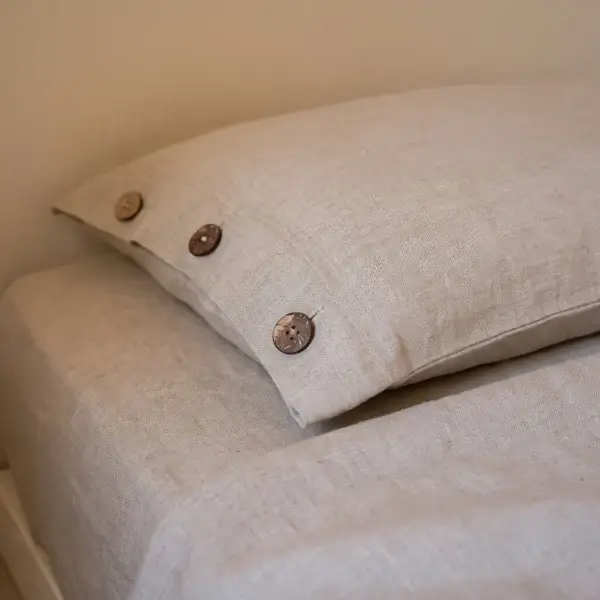
100% Hemp · Two Closures
Coconut button or envelope closure, sold single or as a pair.
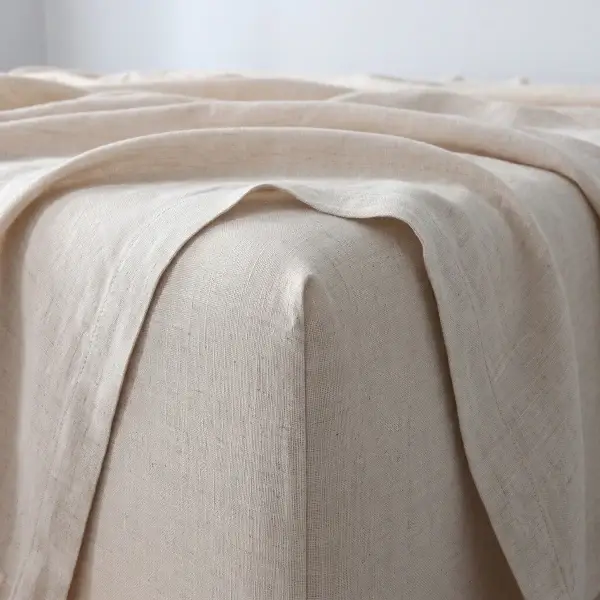
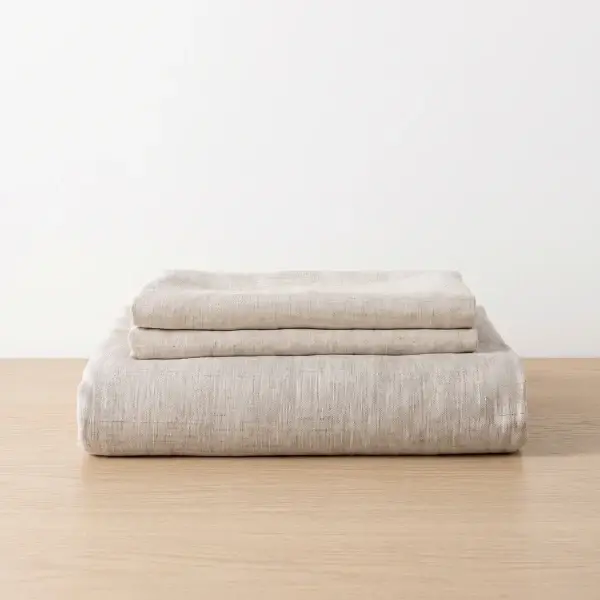
100% Hemp · Coconut Buttons
One duvet cover and two pillowcases in OEKO-TEX certified hemp.

100% Linen · Masters of FLAX FIBRE™
One duvet cover and two pillowcases in washed European flax.