


Buyer's Guide
Is a Silk Duvet Worth It? A Mulberry Silk Buyer's Guide
Is a silk duvet worth it? What you are paying for, how silk compares with down and wool, and how to pick a fill weight you will still be happy with in July.

Quick answer: A mulberry silk duvet is worth it if you sleep hot, dislike heavy bedding, or want one duvet that works across seasons. The silk fill is light, breathable and, kept under a cover, lasts around 15 to 20 years. It is not the right choice if you want a thick hotel style loft, or bedding you can put in the washing machine. Silk duvets are never washed at home.
Two follow-up questions have their own guides: which fill weight to choose and whether a washable silk duvet exists.
In this guide
What is a mulberry silk duvet?
A mulberry silk duvet is a duvet whose filling is mulberry silk rather than down, wool or polyester. In the United States the same product is usually sold as a silk comforter or a silk duvet insert. The names describe the same thing: a quilted shell holding layers of silk floss.
The silk comes from the cocoons of Bombyx mori silkworms, which feed only on mulberry leaves. That single diet is what produces the long, smooth, even filaments the fibre is known for. Rather than being chopped and blown into the shell like short staple fill, the filaments are opened out and layered, so a well made silk duvet is a stack of thin, continuous webs rather than a bag of loose fibre. That construction is the reason a silk duvet drapes instead of puffs.
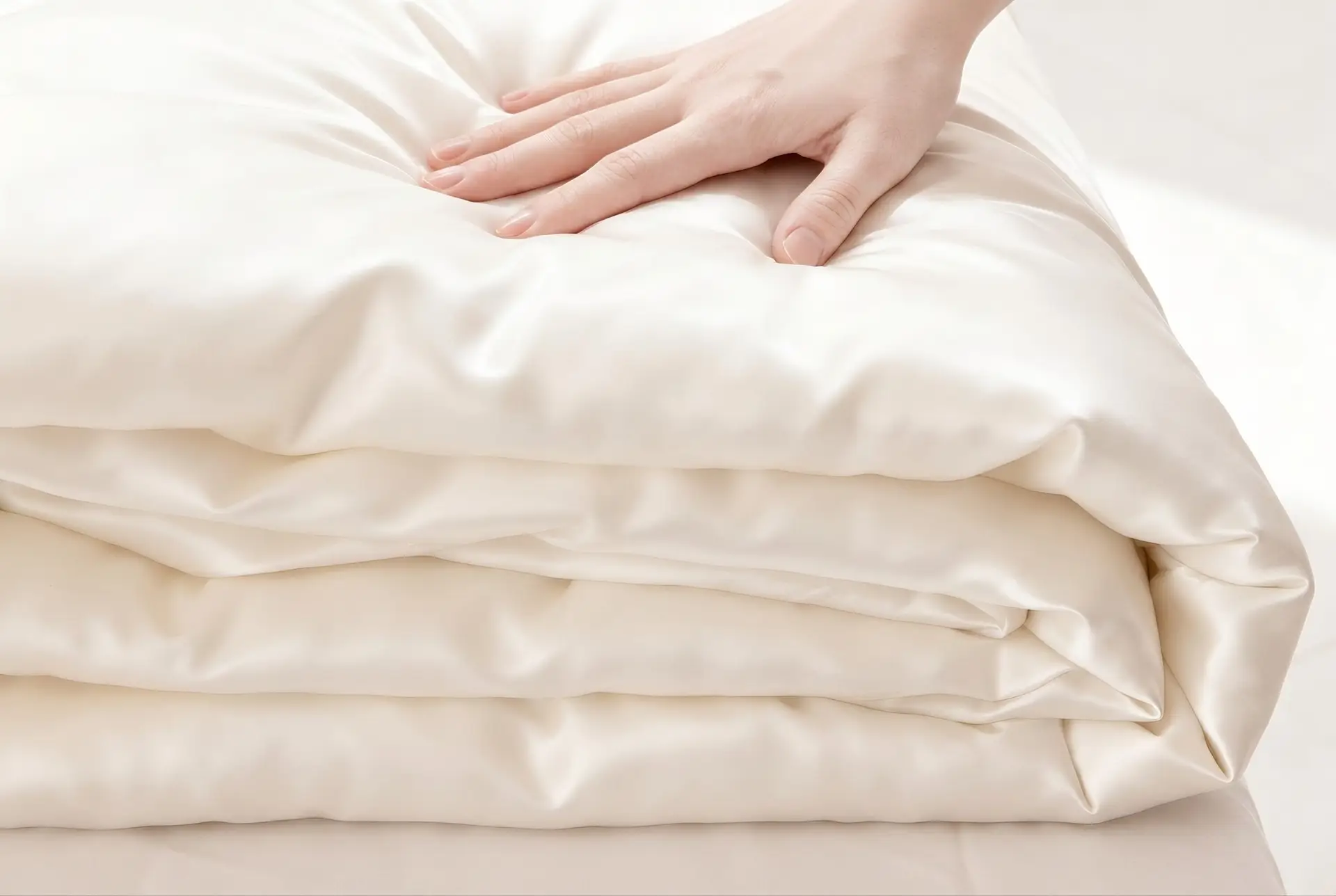
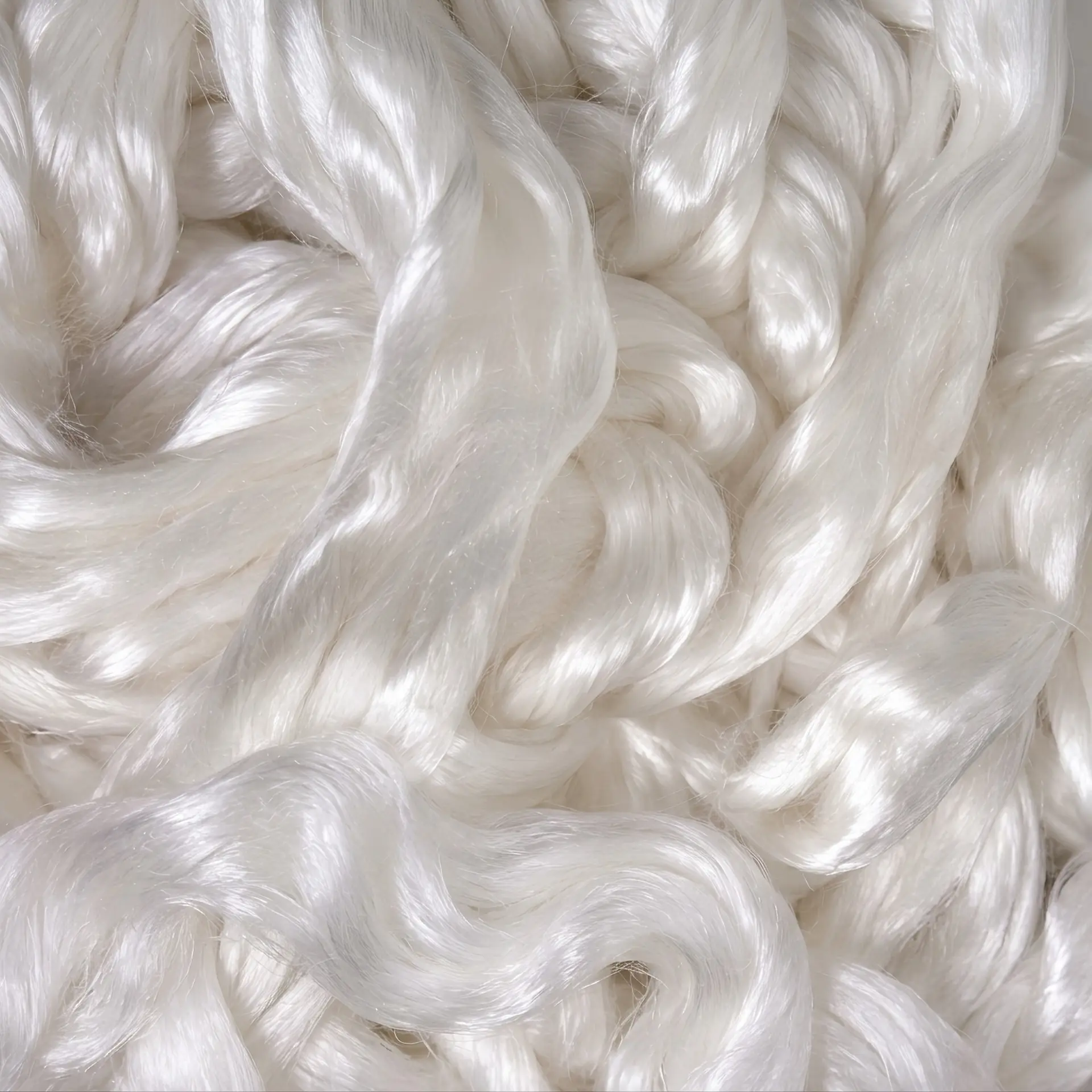
The loft you feel through the shell, and the long strand floss that creates it.
If you want the full production sequence, we documented it step by step in how a silk duvet is made.
Why does a silk duvet cost more?
Three things drive the price: the raw material, the fibre length, and the labour of layering it.
Raising Bombyx mori silkworms takes time and a steady supply of fresh mulberry leaves, and it takes a large number of cocoons to yield a small amount of usable silk. Grade 6A fill goes further and uses double cocoons, which are larger and give a fuller loft.
Then the silk has to be kept long. Long strand silk is stretched into thin, wide layers and cross layered across the shell so it cannot migrate into one corner. Every layer in a Sensoire duvet is drawn and arranged by hand. Short or chopped silk can be machine filled in a fraction of the time, which is why it is cheaper and why it clumps sooner.
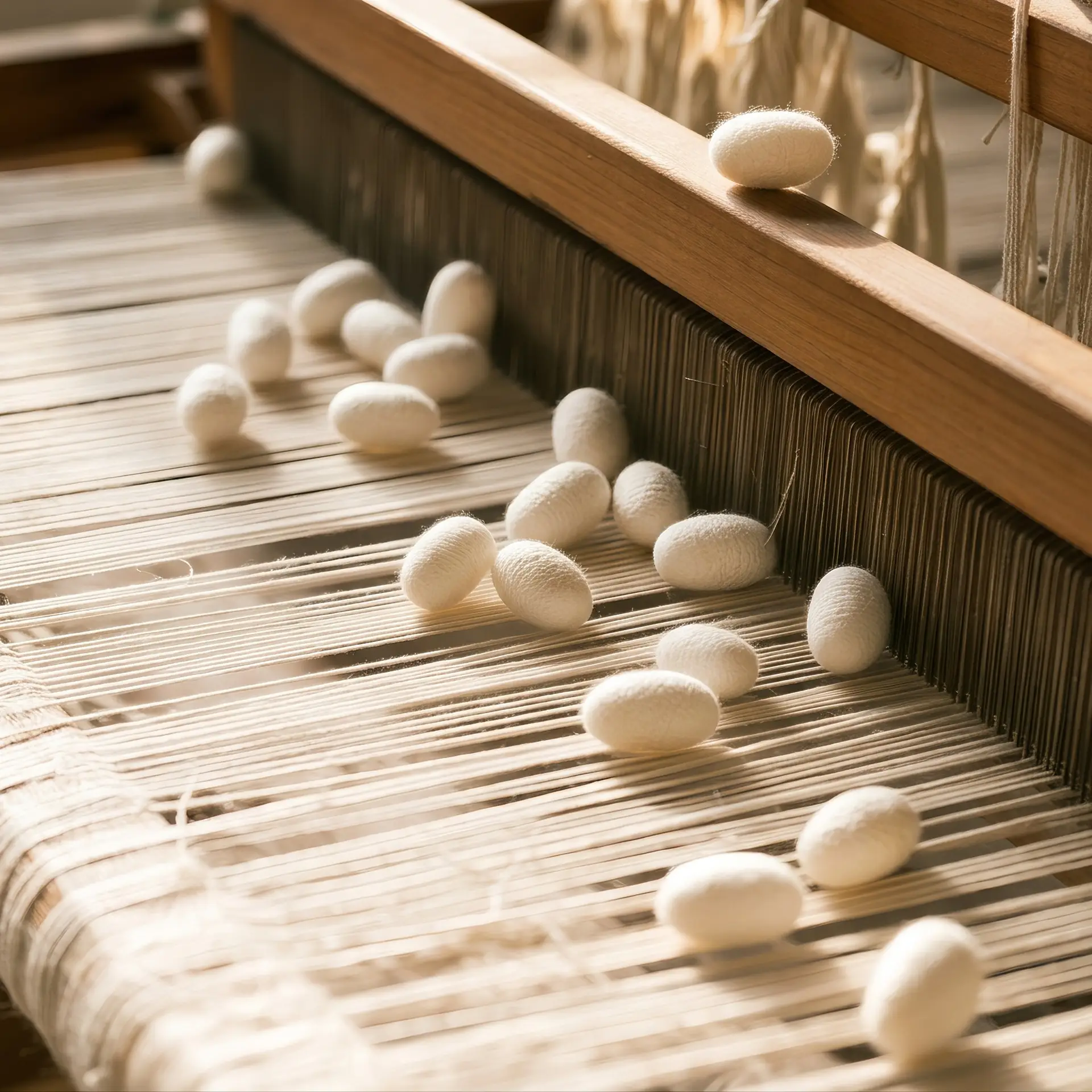
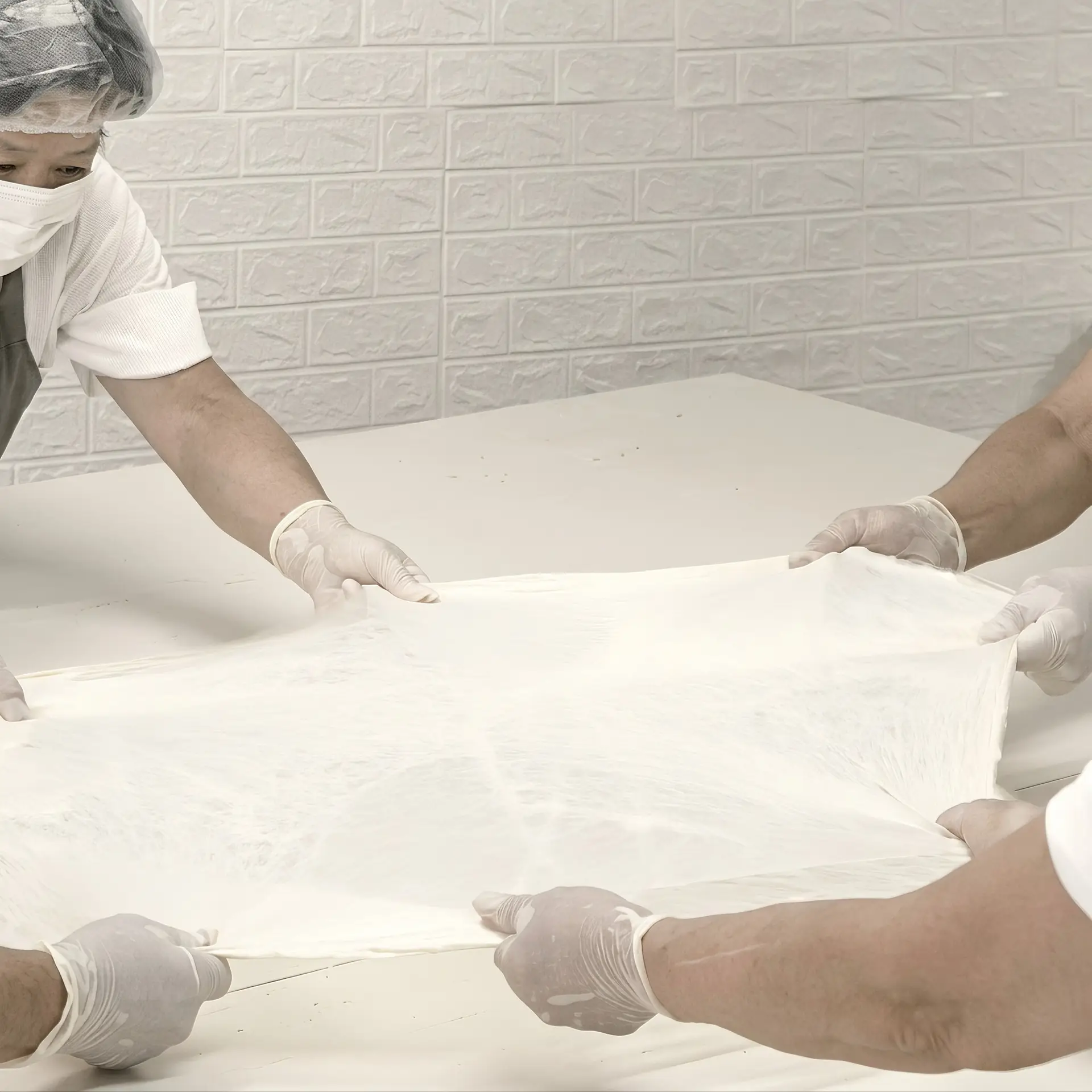

Cocoon to bed: the steps a machine filled duvet skips are the steps you are paying for.
So the premium is not a surcharge on the word silk. It buys fibre length, even distribution, and a duvet that holds its loft for around 15 to 20 years instead of a few seasons.
Sensoire duvets are filled with Grade 6A long strand mulberry silk selected from double cocoons, drawn and layered by hand, and certified to OEKO-TEX Standard 100.
What does a silk duvet feel like?
The first thing most people notice is the weight, or the lack of it. A silk duvet gives warmth without pressing down. It has less loft than down, so it sits closer to the body and follows your outline rather than doming over it.
For the full comparison, see silk duvet vs down duvet.
The second thing is that it stays comfortable as the room changes. Silk is a porous protein fibre that holds air for warmth while taking in roughly 11 percent of its own weight in moisture before it feels damp, so the layer against your skin stays drier through the night.
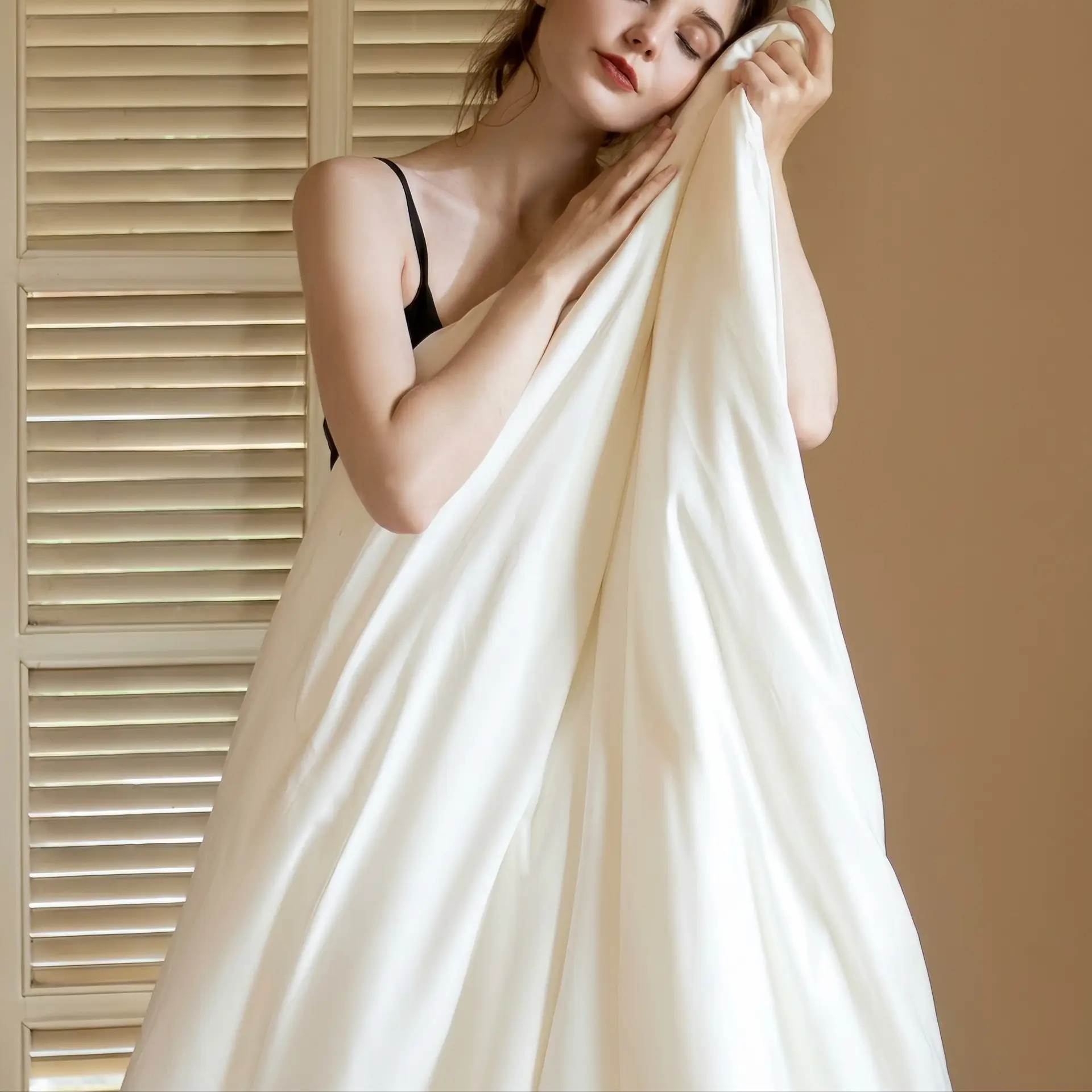

A low friction surface and very little weight suit light sleepers and sensitive skin.
That is the mechanism behind the usual claim that silk is warm in winter and cool in summer, and we unpack it in why silk bedding keeps you warm in winter and cool in summer. If you like the feeling of being covered rather than buried, this suits you. If you want a thick cloud you can sink into, it will not.
Silk vs down vs wool vs synthetic
No filling wins outright. The right one depends on whether you sleep hot or cold, how much weight you like, and how much care you will realistically do.
| Mulberry silk | Down | Wool | Synthetic | |
|---|---|---|---|---|
| Feel | Smooth drape, sits close to the body | Soft, fluffy, high loft | Dense and structured | Soft and fluffy, varies with quality |
| Warmth | Balanced and breathable, set by fill weight | Very high warmth for its weight | Warm with good moisture buffering | Warm, but can hold heat in |
| Weight | Light, low loft | Very light for the warmth given | Usually the heaviest | Light to medium |
| Moisture | Takes in about 11 percent of its weight before feeling damp | Insulates well but can feel clammy when humid | Absorbs and releases moisture readily | Wicks poorly unless engineered to |
| Care | Never machine washed, use a cover and air it | Specialist cleaning, slow to dry | Gentle care, varies by product | Usually machine washable |
| Typical lifespan | Around 15 to 20 years under a cover | Long with good care and re lofting | Long, though it can compress | Shortest, loft flattens with washing |
| Best for | Hot sleepers and anyone who dislikes bulky bedding | Cold sleepers who want maximum loft | Sleepers who want natural warmth and moisture control | Tight budgets and easy care households |
Which fill weight should you choose?
Fill weight, not fibre, decides how warm your duvet is. Silk duvets are rated in grams per square metre of fill. More is not better. It is simply warmer, and a duvet that is too warm is the most common reason people stop using one.
Choose by your bedroom temperature rather than by the season on the label:
| Weight | Fill density | Choose it for |
|---|---|---|
| Summer | 180 g/m² | Hot sleepers and warm rooms, and as a summer layer on its own |
| Mid Season | 320 g/m² | Spring, autumn and milder winters |
| Winter | 500 g/m² | Cold sleepers and cold bedrooms |
| Four Seasons | 180 + 320 g/m² | Year round. Two duvets used separately, or tied together for a 500 g/m² winter layer |
If you are unsure, the four season pairing is the safest first purchase, because it lets you find your own comfortable weight rather than committing to one guess.
Every Sensoire silk duvet comes in all four weights, so you can match the fill to your room rather than to the calendar. Compare the weights.
Is a silk duvet worth it for you? The trade-offs
Is a silk duvet worth it? For hot sleepers and anyone who dislikes heavy bedding, yes. It gives warmth without weight, breathes better than down or polyester, and lasts around 15 to 20 years under a cover, so the higher price is spread over a long life. If you love a heavy, lofty duvet or want to machine wash the insert itself, it is not the right choice.
Price. A good silk duvet costs more upfront than a synthetic one. The case for it is cost per year of use, not cost on the day.
Care. You cannot put it in the washing machine. A silk filled duvet is protected by a cover, aired, and spot cleaned. That is less work than washing a duvet, but it is a different habit.
Loft. Silk sits closer to the body and has less rise than down. If your idea of a good bed is a thick, cloud like duvet, silk will feel flat to you. This is a preference, not a defect.
Vocabulary. Silk and satin are not the same thing. Satin is a weave, and it is often woven from polyester. A product described only as satin tells you nothing about the fibre inside it. How to tell if silk is real covers the checks.
How to choose a good silk duvet
A grade label alone does not make a duvet good. Four checks separate a well made silk duvet from a cheap one.
The four checks
- Confirm the fill is 100 percent mulberry silk. Look for the fibre named in full, not a silk blend, not silk touch, and not satin. If the listing will not state a percentage, treat that as the answer.
- Ask whether the silk is long strand. Long strand silk lifts as one continuous web and resists shifting and clumping. Short or chopped silk is cheaper and settles into lumps far sooner.
- Match the fill weight to your room. Use the g/m² table above rather than the season name. A 500 g/m² winter duvet in a heated flat will be too warm. Grade 6A refers to the quality of the cocoon and filament, and it is worth understanding alongside momme, which we explain in the mulberry silk and momme guide.
- Check the shell and the stitching. The shell may be cotton or silk, so read the material line, not just the product name. Look for cross layered or box quilted construction that keeps the fill evenly spread, and for a certification you can verify, such as OEKO-TEX Standard 100, which tests a finished textile for harmful substances.
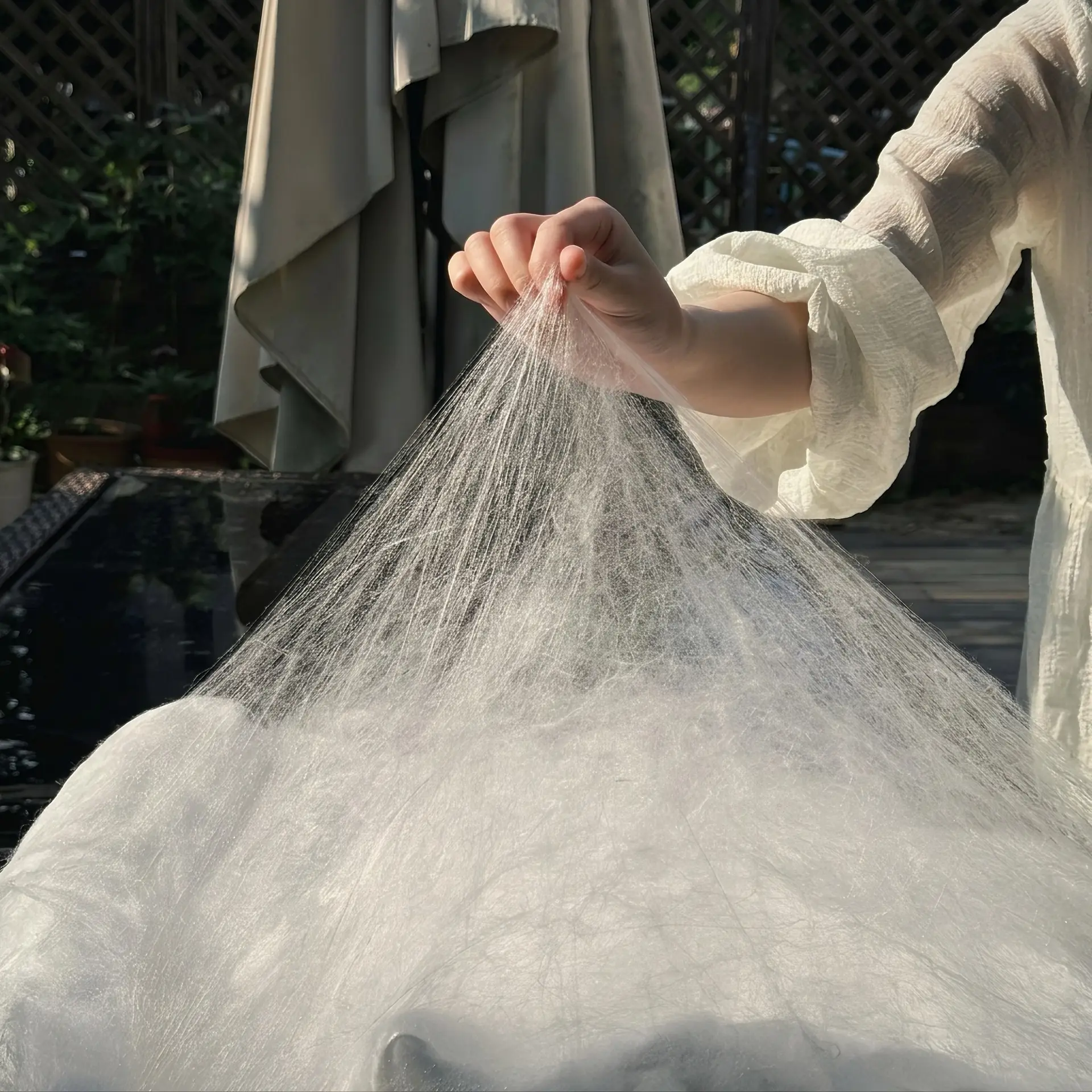
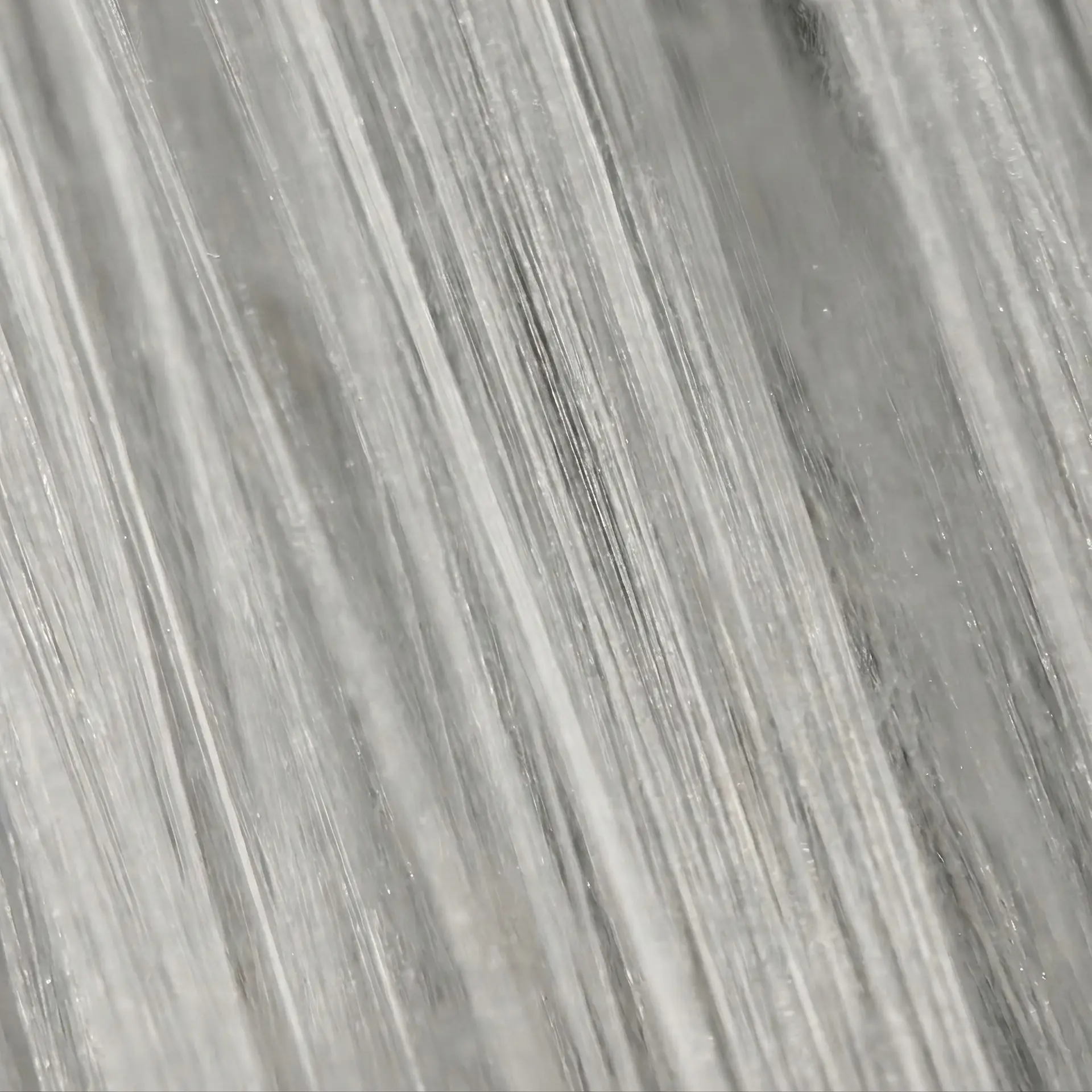
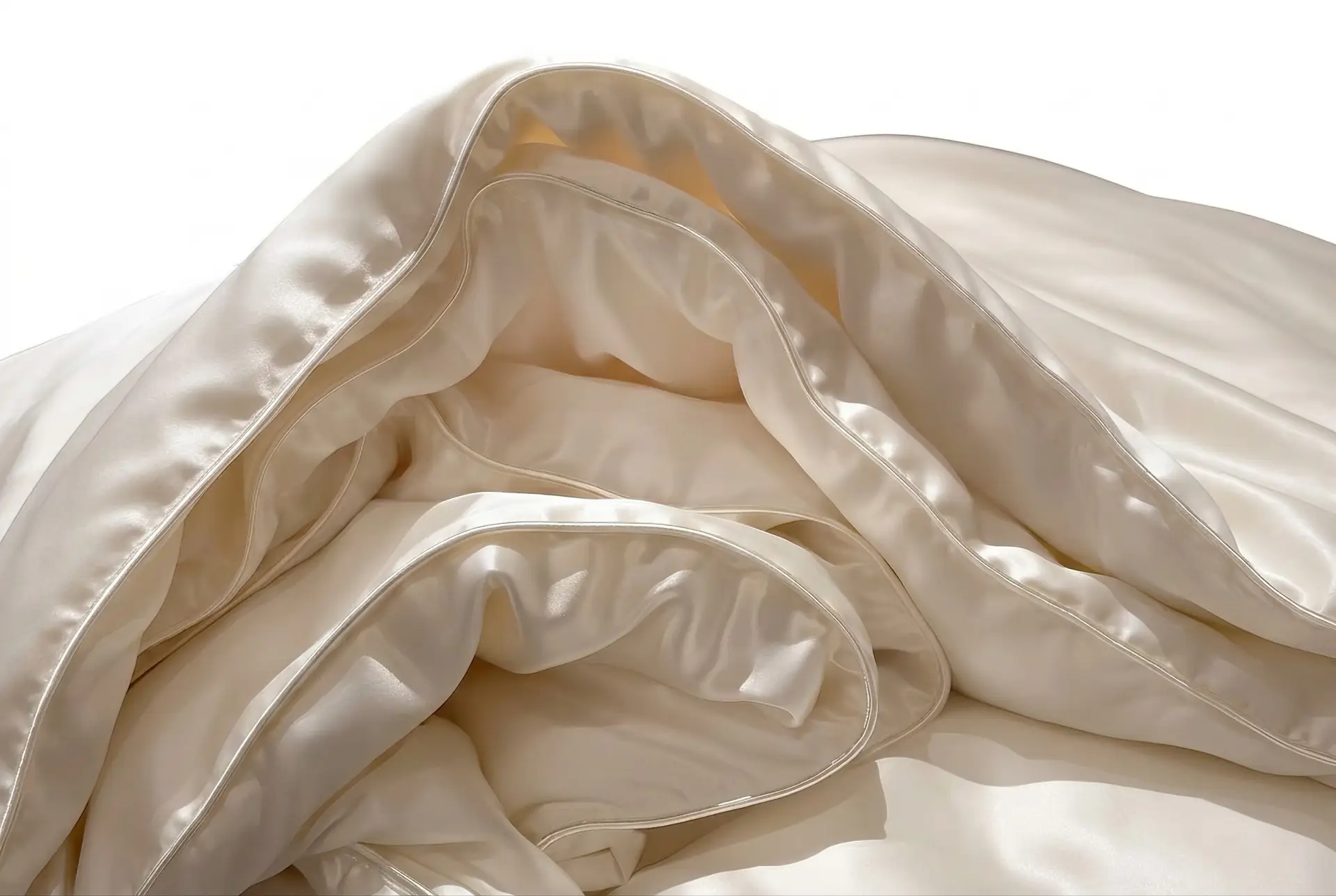
What to look for: silk that lifts as one web, filaments that run parallel, and an edge and quilt that hold the fill in place.
Sensoire offers the same Grade 6A long strand fill in a pure mulberry silk shell or a 100% cotton sateen shell, and a box quilted version if you want the fill locked into panels.
How to care for a silk filled duvet
The short version: use a duvet cover, wash the cover, air the duvet, and never wash the duvet itself.
There is a specific reason for that last rule. Silk fibre carries sericin, a natural protein that helps the fill resist allergens and discourage microbial growth. Water and high heat break sericin down and make the silk mat together, so a washed silk duvet loses both its loft and the protection that made it worth buying.
In practice that means airing the duvet outdoors in shade from time to time, lifting small marks with a little cool water, and sending it to a specialist if it ever needs more. Avoid soaking, wringing, bleach and tumble drying. Kept under a cover, the fill itself rarely needs anything at all. Full instructions are in how to clean a silk duvet.
Frequently asked questions
01Are silk duvets worth it?
For hot sleepers and anyone who dislikes heavy bedding, yes. A silk duvet is light, breathable and lasts around 15 to 20 years under a cover, so the cost spreads across many years. It is a poor choice if you want high loft or machine washable bedding.
02Are silk duvets warm enough for winter?
Yes, if you choose the right fill weight. Warmth comes from the amount of silk, not the fibre itself. A 500 g/m² winter fill suits cold rooms, while 180 g/m² is a summer weight. A four season pairing combines 180 and 320 g/m² to reach 500.
03Is a silk duvet better than down?
Neither is better outright. Silk is lighter, drapes closer and breathes more freely, which suits hot sleepers. Down gives more loft and more insulation for its weight, which suits cold sleepers. Choose by how you sleep rather than by which fibre sounds more luxurious.
04What is the difference between a silk duvet and a silk comforter?
Usually nothing. Duvet is the common term in the UK and Europe, comforter and duvet insert are the common terms in the United States. All three describe a shell filled with silk floss. The practical difference is that a duvet is normally used inside a washable cover.
05How do you wash a silk duvet?
You do not wash the duvet itself. Water and heat break down sericin, the natural protein in the silk, and the fill mats together. Wash the duvet cover instead, air the duvet in shade, and spot clean small marks with cool water. Use a specialist cleaner for anything more.
06How long does a silk duvet last?
Around 15 to 20 years when it is kept under a cover and aired rather than washed. Long strand, double cocoon silk holds its loft far longer than short fibre fill, which flattens within a few years. Lifespan is the main reason the higher price can pay back.
07Do you need a duvet cover on a silk duvet?
Yes. The cover is what keeps perspiration, skin oils and friction away from the fill, and it is the part you launder. A cotton or silk cover both work. Using a silk duvet without a cover shortens its life considerably.
08Are silk duvets good for hot sleepers?
They are one of the better options. Silk takes in about 11 percent of its weight in moisture before feeling damp and carries little bulk, so the layer against the skin stays drier and lighter. Pair a 180 g/m² summer weight with a breathable cover for warm rooms.
Sensoire silk duvets
All four use the same Grade 6A long strand mulberry silk fill from double cocoons, layered by hand and certified to OEKO-TEX Standard 100. They differ in the shell and the quilting. Each comes in summer, mid season, winter and four season weights.
Grade 6A · Pure silk shell
Mulberry Silk Duvet, Pure Silk Shell
Silk inside and out. The smoothest of the four against the skin, with a soft natural sheen.
- Shell: 100% mulberry silk
- Fill: Grade 6A long strand
- 180, 320, 500, 180+320 g/m²
Grade 6A · White piping
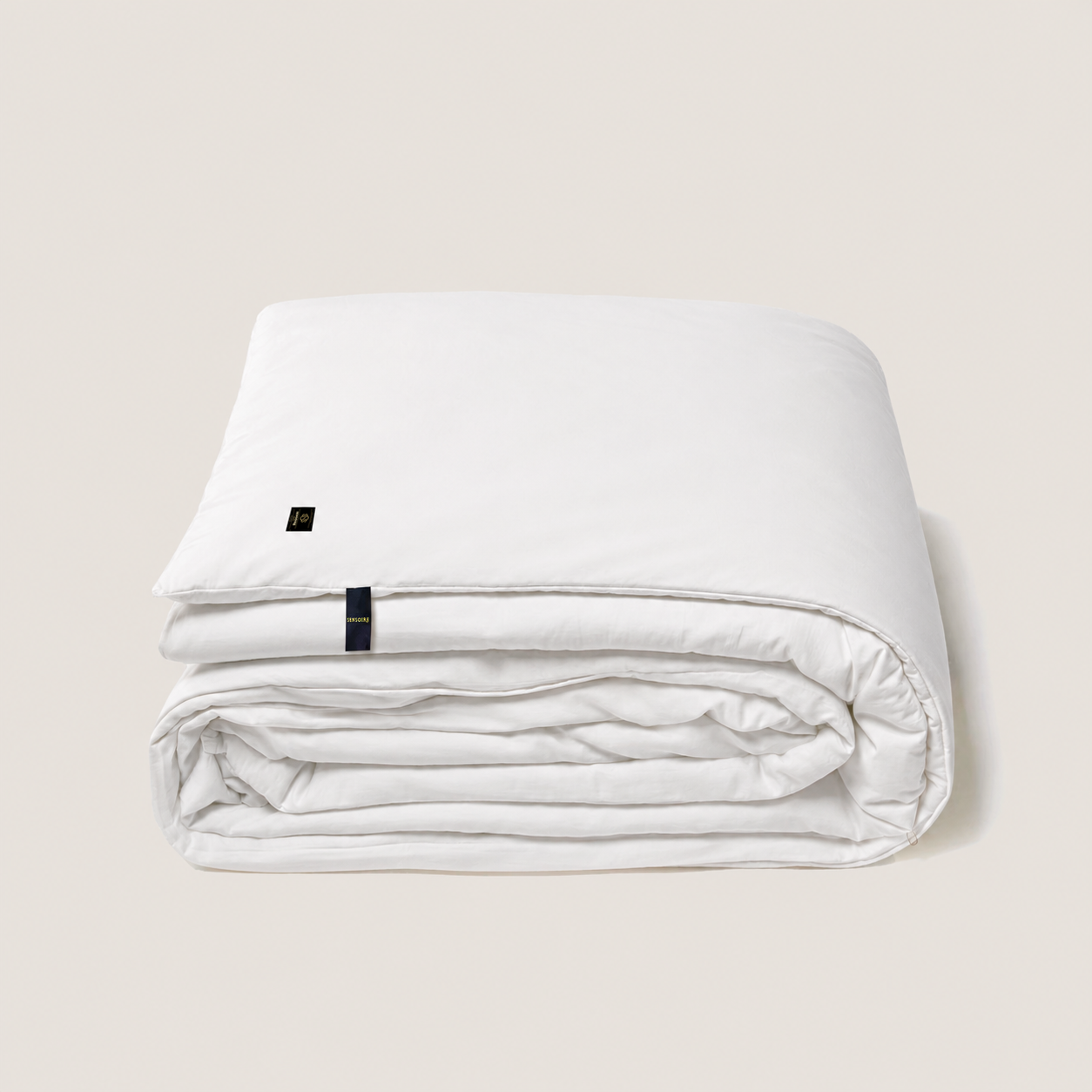
Mulberry Silk Duvet, Cotton Sateen Shell
The same silk fill in a cotton sateen shell, finished with white piping. A crisper hand than silk on silk.
- Shell: 100% cotton sateen
- Fill: Grade 6A long strand
- 180, 320, 500, 180+320 g/m²
Grade 6A · Black piping
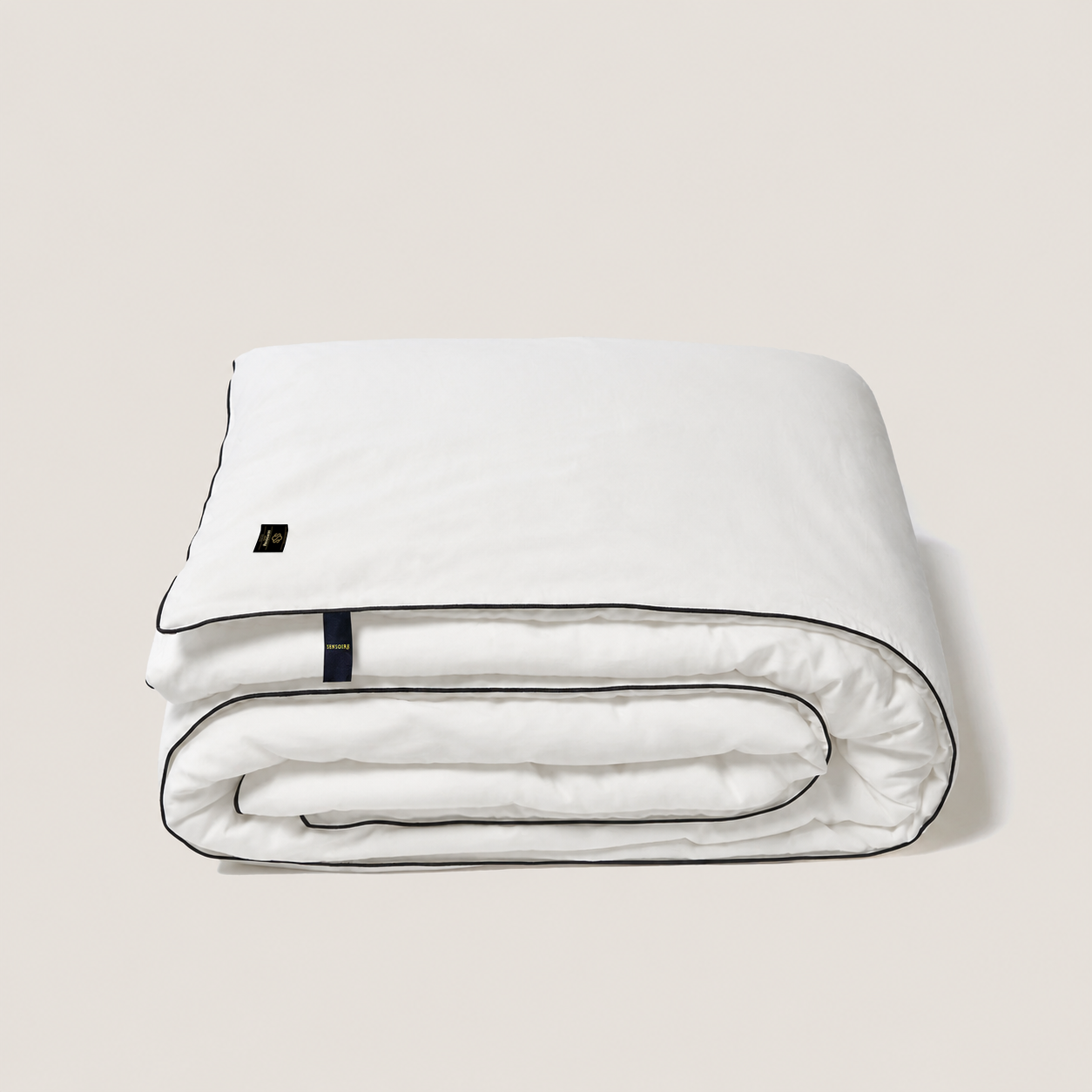
Silk Filled Duvet, Black Piping
Cotton sateen shell with a black piped edge, for a quieter contrast against pale bedding.
- Shell: 100% cotton sateen
- Fill: Grade 6A long strand
- 180, 320, 500, 180+320 g/m²

Grade 6A · Box quilted
Box-Quilted Mulberry Silk Filled Duvet
Box quilting locks the fill into panels, so it cannot migrate to one corner over the years.
- Shell: 100% cotton sateen
- Construction: box quilted
- 180, 320, 500, 180+320 g/m²
Sources and further reading
OEKO-TEX Standard 100, testing criteria for finished textiles. Sensoire product specifications for fill density, silk grade and certification, verified 2026-09-08.