


How to Clean a Silk Duvet: A Complete Care Guide
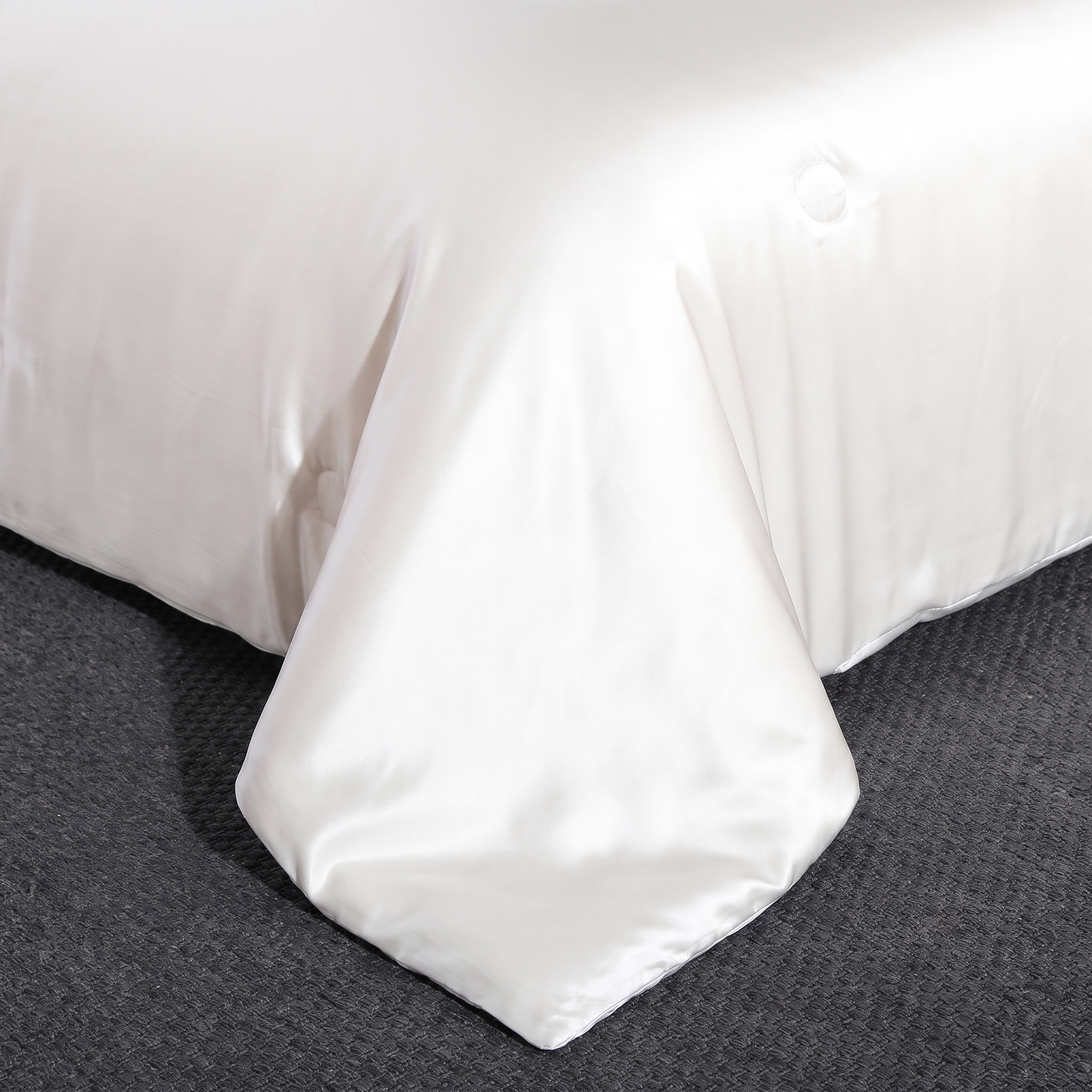
How to clean a silk duvet starts with one rule: a silk-filled duvet should never go in a home washing machine, because the agitation and detergent make the silk fibres clump together permanently and ruin the loft. Instead, protect it with a washable duvet cover, spot-clean small spills by gently blotting, never rubbing, air it out in indirect sunlight now and then, and use professional cleaning only for serious stains or odours. Cared for this way, a quality mulberry silk duvet stays fluffy and fresh for 15 to 20 years.
Silk bedding can feel intimidating to care for, and many people hesitate to invest in a silk duvet because they assume it is too delicate for everyday life.
The good news: high-quality mulberry silk is far more resilient than it looks, and keeping it clean is mostly about a few simple habits. Here is everything you need to know.
Can You Wash a Silk Duvet at Home?
This is the most important rule in silk duvet care, so we will say it plainly: never put a silk-filled duvet in a washing machine, and never tumble dry it.
A silk duvet is filled with fine, natural silk fibres that sit in airy layers. When those fibres get soaked and tumbled with detergent, they bunch up and bond together. Once that happens, the loft is gone for good. You cannot fluff or re-separate the fibres evenly again, and the duvet ends up lumpy and flat. This is the single most common way people accidentally ruin an otherwise long-lasting duvet.

The silk cover of some products can sometimes be washed, but the silk-filled insert should always be kept out of the machine. When in doubt, check the care label.
The Golden Rule: Always Use a Duvet Cover
Always keep a silk duvet inside a washable cover and wash the cover every one to two weeks; the silk insert underneath then rarely needs cleaning at all.
A washable duvet cover is the only thing that touches your skin while you sleep. It catches body oils, sweat and everyday dust, and you simply wash the cover, not the silk insert. With a good cover in place, you may only ever need to clean the insert itself if something serious spills through.
Wash your duvet cover regularly, every one to two weeks, the same way you would wash your sheets, and your silk duvet underneath stays protected.
How to Handle Spills and Stains on Silk
To treat a spill on a silk duvet, blot it immediately with a dry cloth and never rub or soak the fabric. Silk is a natural protein fibre, so scrubbing frays it and soaking lets the stain bond deeper into the fill as it dries. If you spill something:
- Blot, don't rub. Use a clean, dry cloth and press gently to lift the liquid. Rubbing pushes the stain deeper and can leave a permanent ring.
- Don't soak it. Re-wetting a stain can cause it to dilute, spread and bond further into the fibres as it dries.
- For a light surface mark, check the care label first. Do not apply household stain removers, bleach, club soda or hydrogen peroxide to the fill without professional advice.
- For anything serious, stop there and consider a professional cleaner experienced with silk. Trying to "fix" a deep stain at home often makes it worse.
The toughest stains to remove are red wine, turmeric and curry, and hair dye. Hair dye is especially risky: your hair is a protein, just like silk, so hair-dye chemicals essentially dye the fabric too. With these, blot immediately and seek professional help rather than attempting a full clean yourself.
Which stains are hardest to remove from silk?
| Stain | Risk | What to do |
|---|---|---|
| Red wine | High, sets fast | Blot immediately, then use a professional silk cleaner |
| Turmeric or curry | High, strong natural dye | Blot, do not wet, then professional clean |
| Hair dye | Very high (dyes protein fibre, like hair) | Blot at once, professional only |
| Water or light spill | Low | Blot dry, air out in indirect light |
How Often Does a Silk Duvet Need Cleaning?
A silk duvet insert usually needs cleaning only once every few years, not weekly. Because the washable duvet cover does the daily work of protecting the insert, the silk itself rarely gets dirty.
Some silk duvets are sold as machine washable. Is there such a thing as a washable silk duvet explains what they are and how they differ.
Unlike sheets and pillowcases, which touch your skin every night and should be washed weekly, a silk duvet insert only needs attention if a spill soaks through the cover. For most people, that means cleaning the insert very rarely, sometimes not for years.
How long does a silk duvet last?
A high-quality silk duvet can often last more than 15 years with proper care. However, some may find that their silk duvet starts to turn yellow after a few years.
Direct sunlight and heat
Silk is a protein fibre. Strong sunlight, especially at midday, can weaken the fibres and speed up oxidation. Over time, the silk may lose some of its softness and natural sheen, becoming drier, stiffer, and more likely to yellow.
Heat from a radiator, electric blanket, tumble dryer, or heated air vent can cause similar damage and shorten the life of the duvet.
Sweat and body oils
Without a duvet cover, sweat and body oils come into direct contact with the silk night after night. Over time, they can speed up oxidation and make yellowing more likely, particularly around the areas that rest closest to the body.
A washable duvet cover creates a protective layer between you and the silk. Wash it regularly.
Damp storage
If a duvet stays damp for too long, the filling can lose its loft, clump together, or shift inside the shell. Dampness also contributes to yellowing, uneven warmth, and a stale smell.
How to prevent it
Always follow the care guide for daily use. Giving it a light shake is also helpful.
Heavy yellowing and clumping are difficult to fix. If the duvet no longer feels comfortable, consider replacing it. You can also ask professional cleaners whether they offer a repair or refill service.
Never use bleach to whiten your silk duvet
Bleach works through strong oxidation, but silk is an animal protein fibre. Oxidising agents would break down the silk protein chains, making the fibres weaker and more brittle. Bleach can even speed up ageing, causing silk to yellow, weaken, and wear out more easily. And it cannot be reversed.
How to Clean a Silk Duvet Naturally: Airing and Freshening
To keep your duvet fresh between cleanings, air it out. On a dry day, lay or hang it somewhere with gentle airflow and indirect sunlight. A little UV exposure helps naturally reduce bacteria and odours.

A few cautions:
- Don't leave it in direct sun for hours. Prolonged strong sunlight can accelerate yellowing if there are any body oils in the fabric, and can weaken the fibres over time.
- Avoid damp storage. Silk absorbs moisture, so always store it somewhere cool and dry. Use a breathable cotton storage bag rather than sealed plastic for long-term storage.
- Don't fold it tightly for long periods, which can set creases.
Seasonal Care for a Silk Duvet
- Spring can be damp. Choose a dry day for short airing and keep the room well ventilated.
- Summer can be hot and humid. Air the duvet after very warm nights. Do not leave it in strong sun.
- Autumn is often dry and mild. This is a good time for brief airing before colder weather.
- Winter air can be dry indoors. Let the duvet breathe in a clean room from time to time.
When to Use Professional Cleaning
For serious situations such as a stain that has set in, lingering odours, or a spill that has soaked deep into the fill, a professional cleaner who specialises in silk is the safest choice. Contact a cleaner with experience in silk-filled bedding and confirm the method against the care label.
If you go this route, tell the cleaner exactly what the stain is and how long it has been there, as that detail makes a real difference in how they treat it. And be realistic: a reputable cleaner will tell you honestly if a stain cannot be fully removed, rather than letting you waste money.
How to wash a wild silk duvet: what the label tells you
Wild silk, also called tussah silk, is spun from cocoons the moth has already left, so its fibres are shorter than long-strand mulberry silk and are often blended with cotton in duvet fills. Whether a wild silk duvet can be washed therefore depends on how that fill is made, and the sewn-in care label is the only reliable guide.
Some wild silk duvets, often silk and cotton blends, are labelled machine washable at 30 or 40°C. Others, including many pure wild silk duvets, are meant for airing and professional cleaning only.
| What the label says | What to do |
|---|---|
| Machine washable | Use a wool or delicate cycle at the temperature on the label, a silk or mild liquid wool detergent, no fabric softener and a low spin. Dry it flat on a rack, shake it back into shape and use it only once it is dry right through. Tumble dry only if the label allows it. |
| Not washable, or professional cleaning only | Shake it out and air it in the shade regularly. Dab a small mark with a little cool water and no detergent, without rubbing. Take anything larger to a cleaner who handles silk bedding. |
| No label | Treat it as not washable. |
The rule at the top of this guide still applies to long-strand mulberry silk duvets such as Sensoire's: their fill should not be washed. For how the two fills compare, read wild silk or mulberry silk duvet.
- Always use a removable, washable duvet cover. Wash the cover as directed on its label.
- A new silk duvet may have a light natural smell. Air it in a shaded place with fresh air until the smell fades.
- If a little silk comes through the outer fabric, do not pull it. Gently push it back inside.
- Blot spills gently. Do not rub or soak the duvet.
- Air the duvet from time to time in a bright, shaded place to keep it fresh. Do not leave it in strong sun for hours.
- Never machine wash or tumble dry the duvet insert, as the silk fibres can clump.
- Before storing the duvet for a season, make sure it is fully dry. Store it loosely in a cool, dry place with fresh air, or in a cloth bag. Do not place heavy items on top.
- Avoid vacuum bags, sealed plastic bags, mothballs, strong scented products, perfume, and essential oils.
- For deep stains or strong smells, use a cleaner who knows silk-filled bedding. Share the care label and stain details.
Treated with these simple habits, a Sensoire mulberry silk duvet will stay soft, lofty and fresh for years, proof that luxury and easy living can go hand in hand.
Choosing a new duvet rather than caring for an old one? The duvet weight guide covers fill weight by bedroom temperature, and silk duvet vs down duvet compares the two fills.
Frequently Asked Questions
Can you wash a silk duvet in a washing machine?
No. Never machine wash or tumble dry a silk-filled duvet. The agitation and detergent make the fine silk fibres clump together permanently, which destroys the loft and leaves the duvet lumpy. Wash only the removable duvet cover, and keep the silk insert out of the machine.
How often should you clean a silk duvet?
A silk duvet insert usually needs cleaning only once every few years, not weekly. Because a washable duvet cover absorbs the body oils, sweat and dust that would otherwise reach the silk, the insert itself stays clean far longer than sheets or pillowcases.
How do you remove a stain from a silk duvet?
Blot the spill immediately with a clean, dry cloth and never rub or soak it. Silk is a natural protein fibre, so rubbing frays it and soaking lets the stain bond deeper. For red wine, curry or hair dye, blot at once and use a silk-experienced professional cleaner.
How long does a silk duvet last?
A well cared for mulberry silk duvet can stay lofted and fresh for 15 to 20 years. Protect it with a washable cover, blot spills instead of rubbing, air it out in indirect light, and store it cool, dry and loosely in a breathable bag.
Not sure which weight?
Find Your Silk Duvet
Six quick questions about the season, your bedroom and how you sleep. We will suggest the weight, the size and the Sensoire duvet to match.
Sensoire silk duvets
 Silk duvets
Mulberry Silk Filled Duvet, Box-Quilted
Grade 6A long-strand silk fill held evenly in place by box quilting, under a 60S cotton sateen shell.
View product Silk duvets
Grade 6A Mulberry Silk Duvet with White Piping
Grade 6A long-strand mulberry silk fill under a 100% cotton sateen shell, finished with white piping.
View product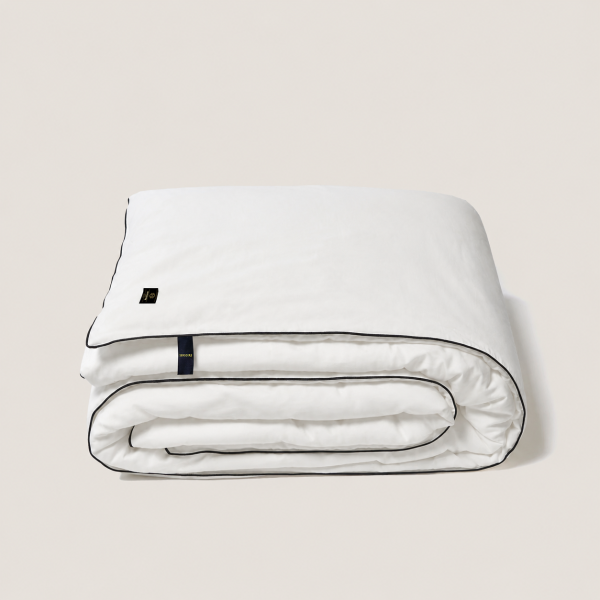 Silk duvets
Grade 6A Silk Filled Duvet with Black Piping
The same Grade 6A long-strand silk fill and cotton sateen shell, finished with black piping.
View product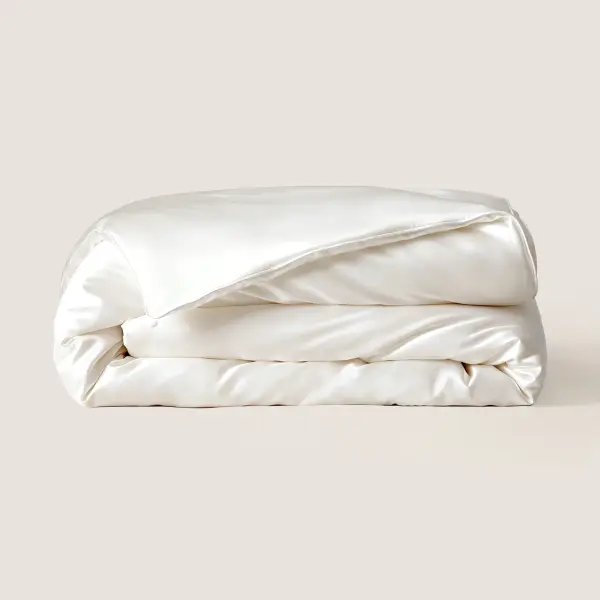 Silk duvets
Grade 6A Mulberry Silk Duvet, Pure Silk Shell
Grade 6A long-strand mulberry silk fill inside a 100% pure silk shell, the all-silk version.
View productSleep in Pure Silk
Explore the Sensoire collection of 100% natural mulberry silk bedding, designed for deeper, healthier sleep.
Shop the Sensoire collection