


Fibre Guide · Hemp
Hemp vs Cotton Sheets: Temperature, Moisture, Durability and Care
Hemp and cotton are both plant fibres, yet they come from different parts of very different plants, and that shapes how each one sleeps. This guide puts hemp vs cotton sheets side by side on sleep climate, softness, strength, washing and footprint, with the measurements behind each point.
Quick answer Hemp sheets let more air through the cloth, hold more moisture before they feel damp and are spun from a stronger fibre, so they tend to sleep cooler and last longer. Cotton is smoother on the first night and tolerates hotter washes. If you wake up warm, or want bedding that improves with age, choose hemp. If you want a crisp, smooth surface from day one, a good cotton percale is the easier choice.

Hemp vs cotton: two plants, two different fibres
Cotton is the short fluff that grows around the seed of the cotton plant. The fibres are fine and soft, so a cotton yarn is smooth from the start, and most of what you feel in a cotton sheet comes from the weave: percale is crisp and matte, sateen is silkier and warmer.
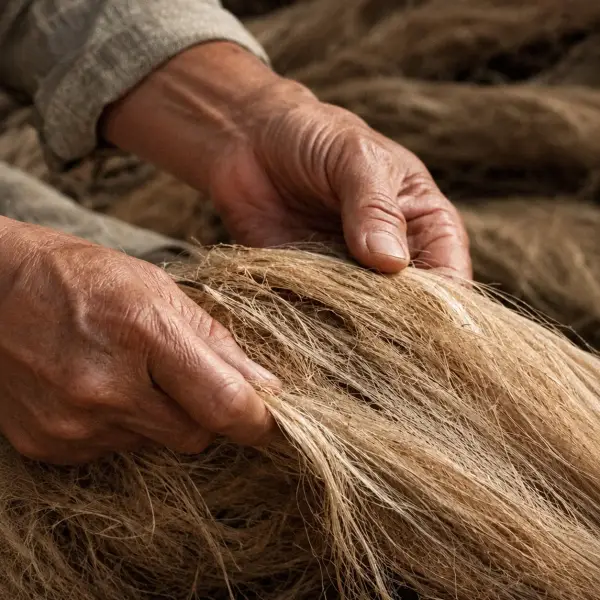
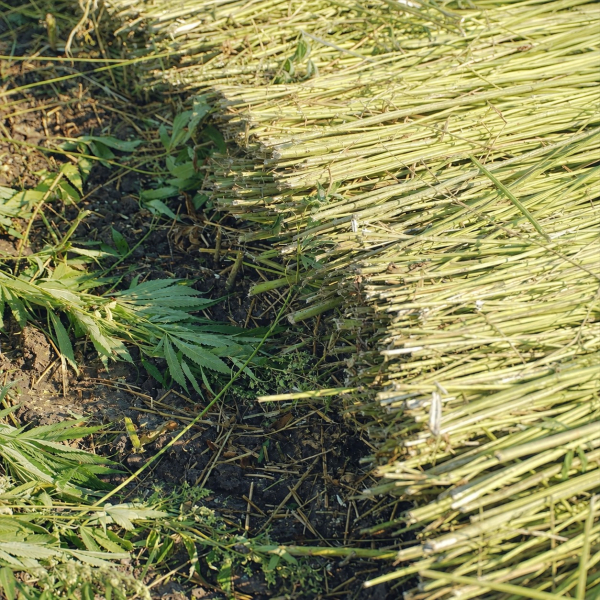
Hemp is a bast fibre: it runs along the stalk of the industrial hemp plant in long bundles. The stalks are retted, and the fibre is separated and degummed before spinning, a path we follow step by step in our guide to how hemp is grown and made. The yarn keeps a little of its natural slub, so a new hemp sheet feels drier and crisper than cotton, with a fuller, heavier drape. Linen comes from the flax stalk the same way, which is why hemp and linen are closer cousins than either is to cotton.

| Hemp | Cotton | |
|---|---|---|
| Part of the plant | HempBast fibre from the stalk | CottonFibre around the seed |
| Fibre and yarn | HempLong bundles, spun with a visible slub | CottonShort staple, spun into a smooth yarn |
| Moisture regain | HempAbout 12% | CottonAbout 8.5% |
| New out of the pack | HempDry, crisp, textured | CottonSmooth; crisp or silky depending on the weave |
| After washing | HempSoftens and relaxes with every wash | CottonStays much as it started; sateen can pill |
| Usual wash | HempCold to 40°C, gentle cycle | CottonUp to 60°C for white cotton |
| Fibre strength | HempHigh, comparable to flax | CottonLower; relies on a dense weave |
Moisture regain is the moisture a dry fibre takes up at standard conditions, 20°C and 65% relative humidity. The 12% for hemp is the figure quoted in a 2022 review of hemp fibre properties; the 8.5% for cotton is the standard commercial regain reported by Laitala and colleagues in 2018. The sources are listed at the end of this guide.
How hemp bedding affects your sleep climate: temperature and moisture
Three things decide whether a sheet feels cool and dry or warm and clammy: how much air moves through it, how much moisture the fibre can hold without feeling wet, and how fast the cloth carries heat away from your skin. Hemp does well on all three.
Air
Hemp yarns are less evenly packed than cotton yarns, so a hemp weave is more open at the same weight. In a 2024 study of hemp and flax fabrics woven to the same construction, replacing the flax weft with a hemp yarn made the cloth lighter, lower in density and significantly more permeable to air.
Moisture
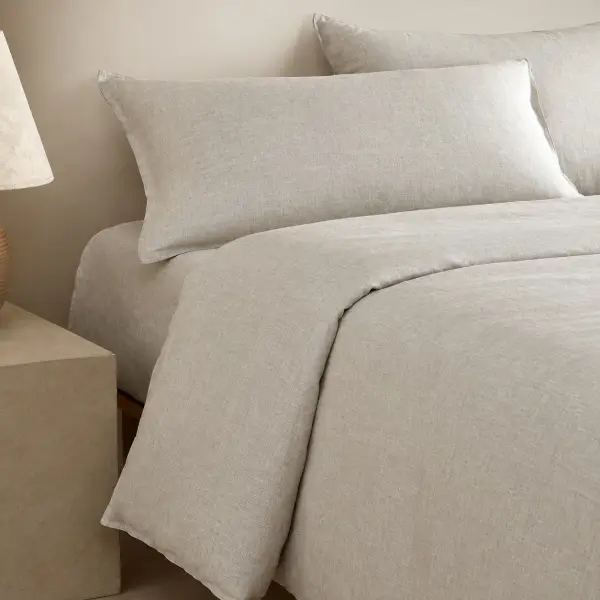
A hemp fibre can hold around 12% of its weight in moisture at standard conditions before it feels damp, against about 8.5% for cotton. The fibre takes moisture in from the skin and releases it to the air, which is why a hemp sheet feels dry well into a warm night instead of sticking. Polyester and microfibre sit at the other end: the fibre itself holds under 1%, so sweat stays on the surface.
Heat
Bast fibres carry heat away from the body faster than cotton, which gives the cool first touch people notice with linen and hemp. The same 2024 study measured higher thermal conductivity in the hemp fabrics. Tests commissioned by the Alliance for European Flax-Linen & Hemp found that linen, the other bast fibre, lets more air and water vapour through than cotton, viscose or polyester while still offering moderate insulation.
In practice this matters most in the layer you lie on. If you tend to wake up warm or damp, change the fitted sheet and pillowcase to hemp first; the duvet cover can follow.
Is hemp bedding good all year round?
Yes, with the duvet doing its share. In summer the open weave and the moisture capacity keep the bed dry, and hemp is a little heavier than linen, so it lies calmly over you rather than floating. In winter a hemp sheet can feel cool for the first minute, then settles to your skin temperature; its job is to keep the bed dry while the duvet supplies the warmth. Cotton behaves the other way round: a dense sateen feels warmer at once but holds moisture closer to the skin once you warm up.
If you want one set of sheets for the whole year, hemp or linen is the simpler choice; a lighter duvet in summer and a warmer one in winter does the rest. Our hemp pieces come in undyed Natural and in White, both woven for year-round use.
Sensoire hemp is woven at 180 GSM, the same weight as our linen, so the heavier feel described above comes from the fibre and its fuller drape, not from extra grams; the open weave keeps it comfortable in every season.

Softness and durability: how hemp sheets compare with cotton
Softness
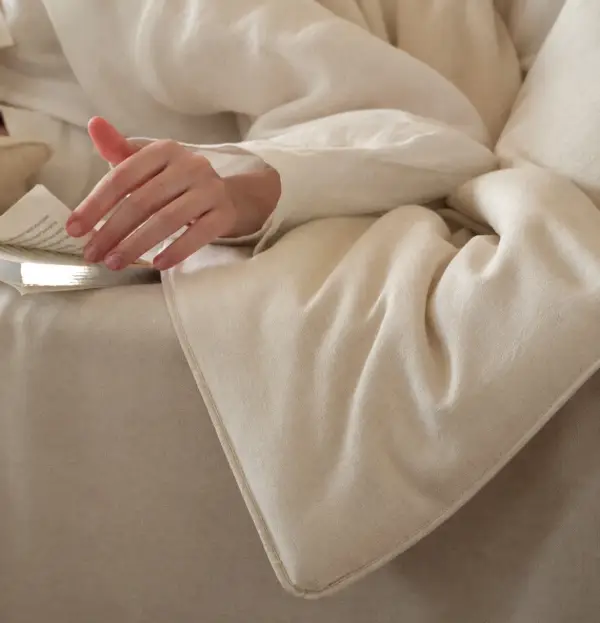
Cotton wins the first night. A new hemp sheet is crisper and more textured, and the slubs in the yarn are visible and slightly raised. From the first washes the pectin and residues still held in the fibre loosen, the fibres relax and the surface turns matte and soft; after that, hemp keeps softening for years, which cotton does not. If you want to know how hemp compares with linen on feel, we cover that separately.
Our own 100% hemp sheets are woven this way: a hemp fitted sheet sold on its own, a duvet cover set and pillowcases, all in Natural and White.
Durability
Published tenacity values for hemp fibre mostly fall between about 40 and 70 cN/tex, comparable with flax and well above what is usually quoted for cotton, so a hemp cloth stands up to the daily pull and rub of sleeping, and to the churn of the washing machine, for longer. Cotton sheets wear in two ways that hemp largely avoids: sateen pills where skin rubs it, and a thin percale goes threadbare at the hip and heel. Hemp wears slowly and evenly, and after a few years it tends to look better, not worse.
Hemp sheets and sensitive skin
Whether a sheet is comfortable on sensitive skin depends less on the name of the fibre than on three things: how smooth the surface is once washed, what finishes are in the cloth, and how dry it keeps you. New hemp is more textured than cotton, so give it a few washes before judging it; the slubs flatten and the surface turns soft and matte. Many easy-care cotton sheets are finished with resins to resist creasing; if you prefer to avoid that, look for an untreated cotton or a bast fibre.
Sensoire hemp is tested for harmful substances under OEKO-TEX STANDARD 100, grown without pesticides and offered undyed in Natural, so there is little in the cloth beyond the fibre itself. Keeping the skin dry overnight, described above, is the part most people notice first.
Does hemp shrink more than cotton? Washing and care compared
Both are cellulose fibres and both shrink a little in their first washes. Most cotton sheets are mechanically pre-shrunk at the mill, so what you buy is what you keep. Untreated hemp can lose a little more in the first wash, which is why each Sensoire hemp piece is cut with a shrinkage allowance. After the first washes both fibres are stable, provided they stay out of hot water and high heat.
- Wash cold or at 30°C to 40°C: gentle cycle, a mild liquid detergent, no bleach and no optical brighteners. Cotton tolerates 60°C; hemp does not need it and keeps its colour and strength longer below 40°C. Wash Natural and White separately.
- Dry on low or medium: line dry, or tumble on low or medium heat and take it out as soon as it is dry, or while it is still very slightly damp. High heat and over-drying set hard creases, age the fibre and shrink the cloth beyond its allowance. Hemp dries faster than cotton.
- Skip the softener: fabric softener coats the fibre and dulls the moisture handling you bought it for. The cloth softens on its own with washing.
- Iron only if you want to: hemp is meant to look relaxed. If you do iron, do it while the cloth is damp. Cotton percale needs more ironing to look crisp.
- Rotate two fitted sheets: so each is slept on and washed half as often. This is the single habit that adds the most years to a sheet of either fibre.
Hemp vs cotton in the field
The gap is widest before the fibre reaches the mill. In the Stockholm Environment Institute's 2005 ecological footprint study, conventionally processed hemp needed about 1.6 global hectares per tonne of spun fibre against 3.6 for conventional Punjab cotton, with organic hemp at 1.5 and organic cotton at 3.3. Hemp grows fast and densely, shades out weeds and is grown without pesticides for our bedding; conventional cotton depends on irrigation and crop protection in most growing regions. The full figures, and what they do and do not cover, are in our article on whether hemp is eco-friendly.
Hemp, cotton or linen: which sheets should you choose?
- Choose hemp if: you sleep warm, like a substantial, grounded bed, and want sheets that get better with age.
- Choose linen if: you want the lightest, airiest bed with the same bast-fibre breathability and a finer hand. Hemp vs linen sets the two side by side.
- Choose cotton if: you want a smooth, crisp surface from the first night, hot washes and the lowest price; a long-staple percale is the one to look for. Linen vs cotton covers the other half of that comparison.
Hemp vs cotton: common questions
Are hemp sheets softer than cotton?
Not when new. Cotton is smoother out of the pack; hemp starts crisper and more textured and softens with every wash, so after a few months most people find a washed hemp sheet as soft as cotton and drier to sleep on.
If you land on hemp, the hemp sheets collection lets you build the bed one piece at a time.
Does hemp bedding shrink more than cotton?
A little more in the first wash if the cloth is untreated, which is why hemp pieces are cut with an allowance. After the first washes both fibres are stable as long as you keep them out of hot water and high dryer heat.
Can I wash hemp sheets at 60°C like cotton?
It is better not to. Hemp washes clean on a cold to 40°C gentle cycle, dries fast and keeps its colour and strength longer below 40°C. Reserve 60°C for white cotton.
Are hemp sheets warm enough in winter?
Yes. A hemp sheet can feel cool for the first minute and then settles to skin temperature; it keeps the bed dry while the duvet provides the warmth. Pair it with a warmer duvet in winter and a lighter one in summer.
Why do hemp sheets cost more than cotton?
Hemp is a small crop with a long path to yarn: retting, separating, degumming and spinning in mills set up for bast fibre. Cotton is grown and spun at a scale no other fibre matches. The gap narrows over the life of the sheet, because a hemp sheet outlasts most cotton.
Sources
- Zimniewska M. Hemp Fibre Properties and Processing Target Textile: A Review. Materials, 2022.
- Vasile S. et al. Effect of Weave and Weft Type on Mechanical and Comfort Properties of Hemp-Linen Fabrics. Materials, 2024.
- Alliance for European Flax-Linen & Hemp. Flax performance and properties: the 2014 comfort and performance study.
- Laitala K., Klepp I. G., Henry B. Does Use Matter? Comparison of Environmental Impacts of Clothing Based on Fiber Type. Sustainability, 2018.
- Stockholm Environment Institute. Ecological Footprint and Water Analysis of Cotton, Hemp and Polyester, 2005 (PDF).
From the Collection
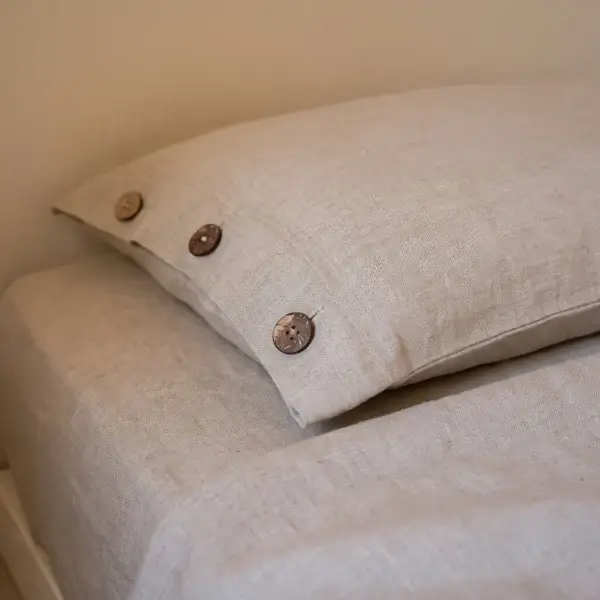
100% Hemp · Two Closures
Coconut button or envelope closure, sold single or as a pair.
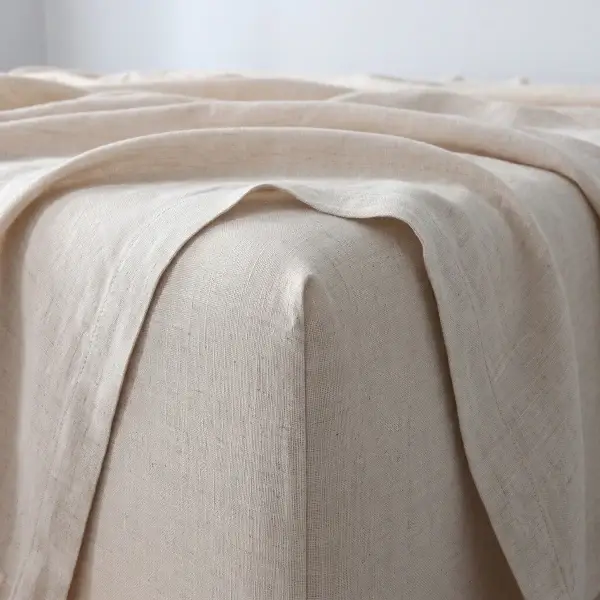
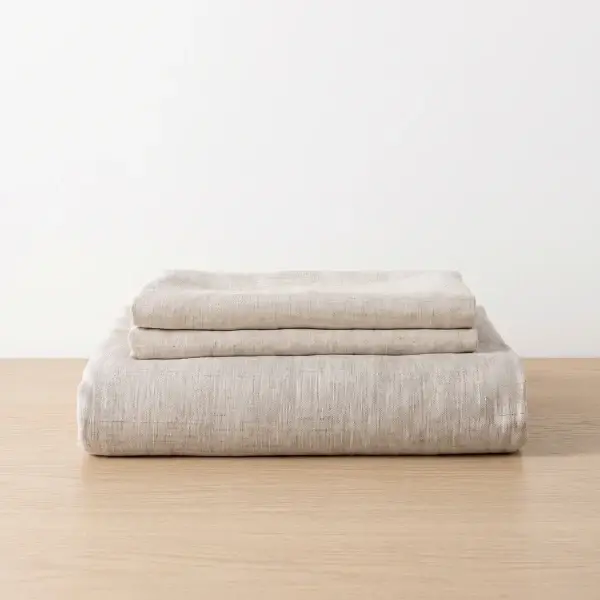
100% Hemp · Coconut Buttons
One duvet cover and two pillowcases in OEKO-TEX certified hemp.